Camping Company
Company
Shop By Category
T&Cs
Shop Online
  • Clear materials and product specifications
  • Free tracked NZ-wide delivery over $175
  • 14-day returns

Snow And Sand Tent Stakes | Aluminium Tent Pegs | Beach Tent Pegs

Aluminium Snow and Sand Tent Stakes (6 Pack)

$119.99 $143.99 Save $24
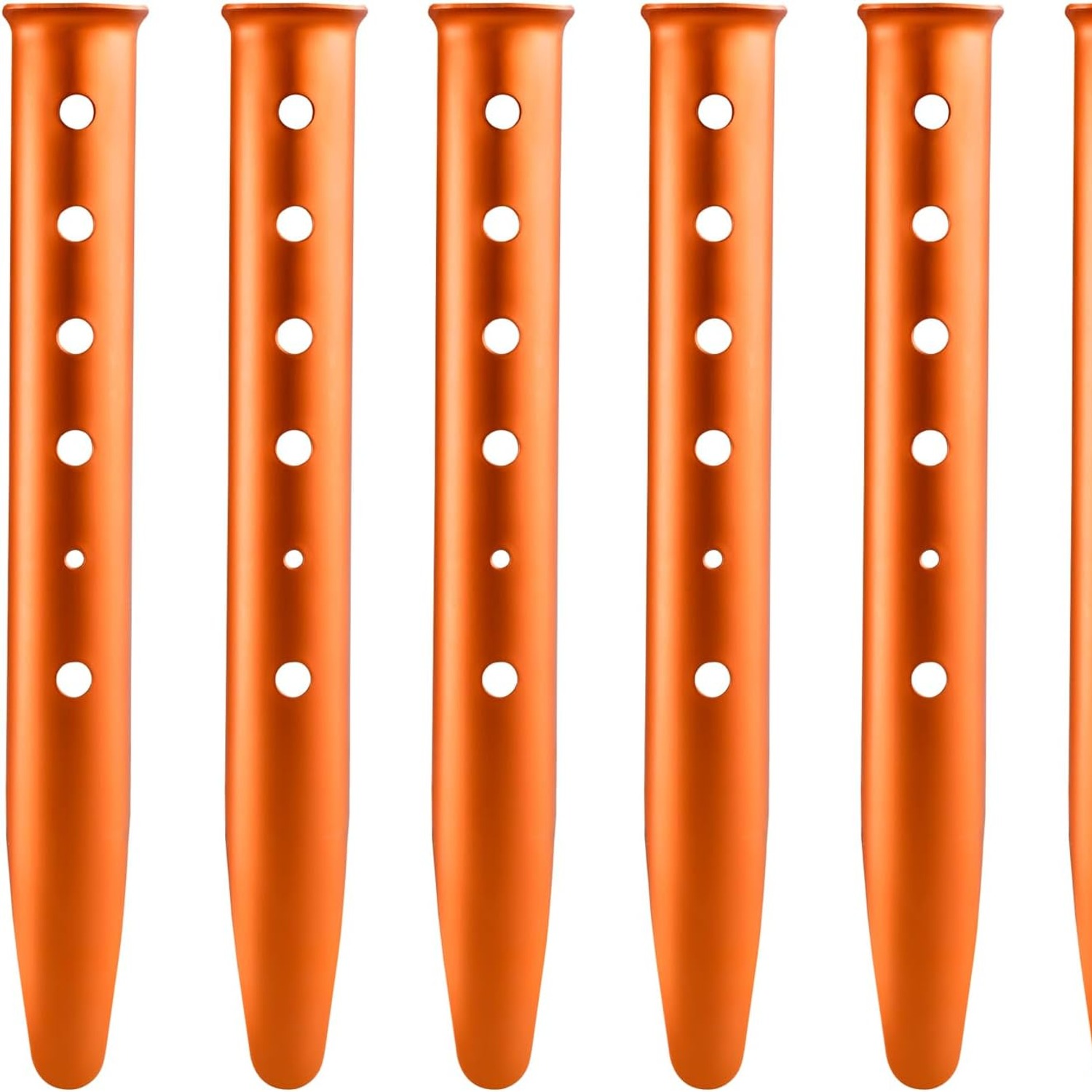
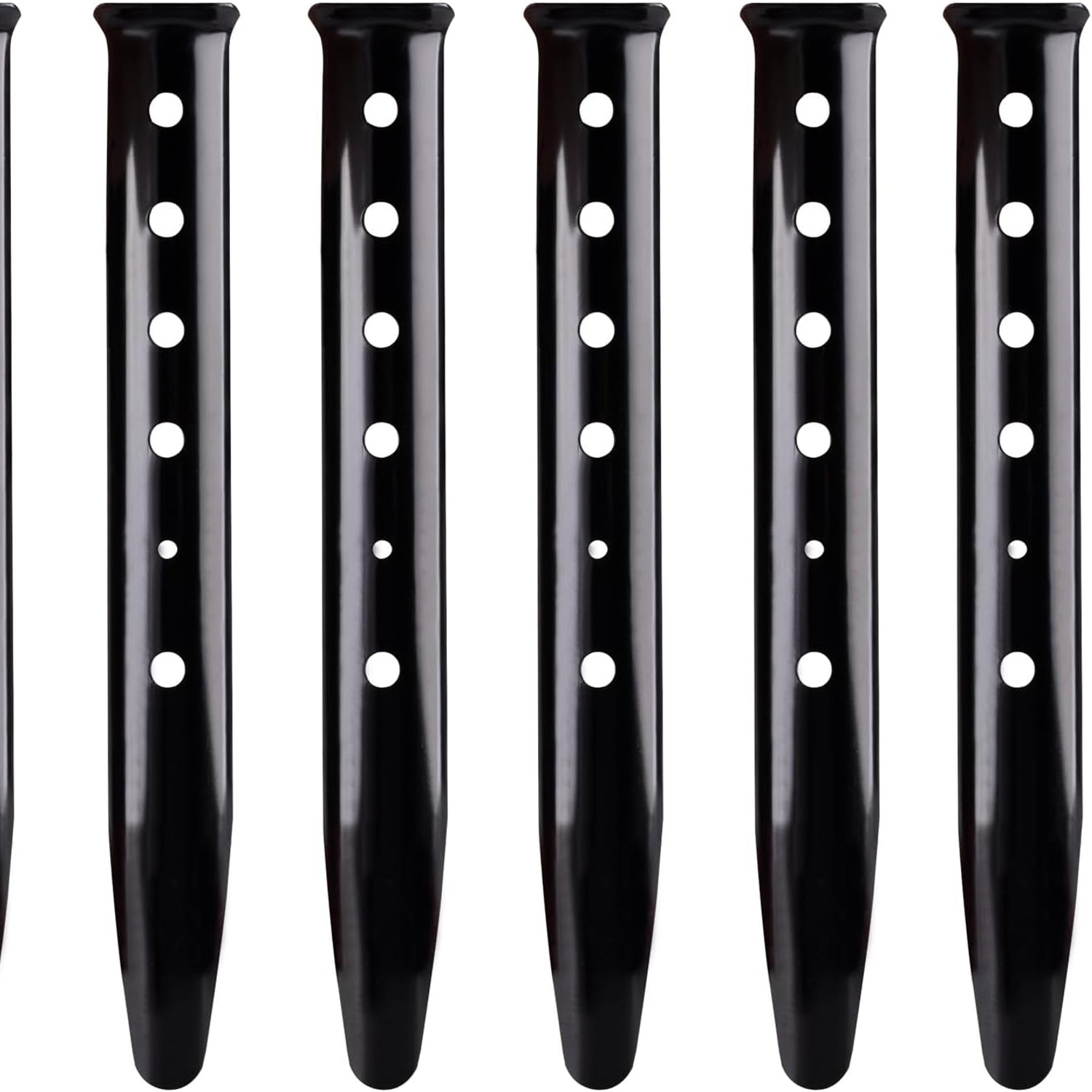
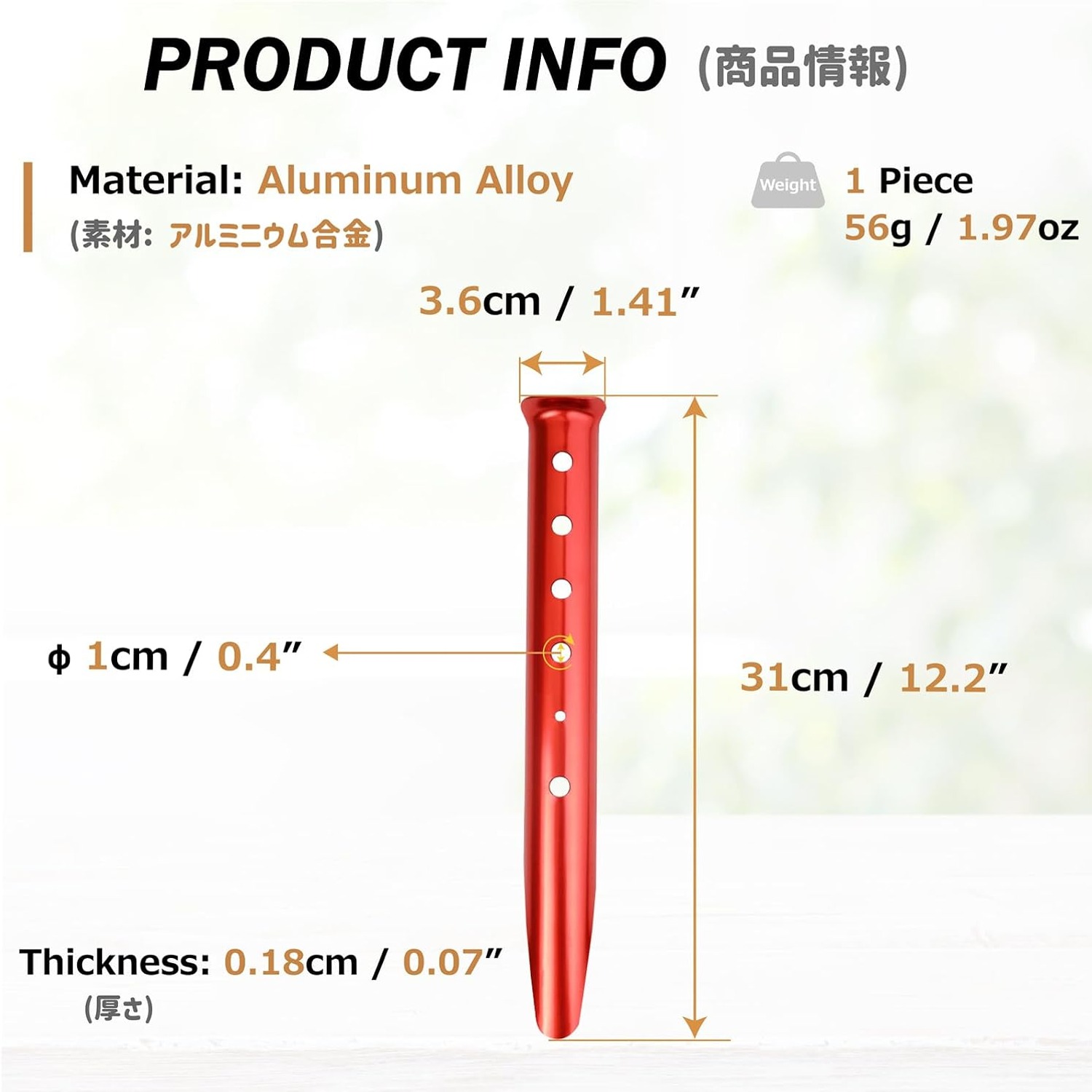
  • Wide 3.6cm Blade
  • 52g Each
  • Anodised Finish
  • Bright Orange

Price: $119.99 $143.99

  • Free tracked NZ-wide delivery on orders $175+, otherwise a flat $20
  • Pay by card or PayPal, handled by the payment provider
  • 14 days to change your mind, plus your statutory rights
Product specifications
BrandAzarxis
Model Number3316
MaterialAluminium
ColourOrange
Length31 cm
Width3.6 cm
Weight Per Stake52 g (1.84 oz)
Number Of Pieces6
StyleTent Stake
Recommended UsesCamping, trips, hiking, backpacking, picnics, shade canopies, beach, snow
Weight0.05 kg
Shipping & returns

Tracked delivery anywhere in New Zealand. It is free on orders of $175 or more, and a flat $20 below that.

If it is not right for you, send it back within 14 days of delivery in resaleable condition and we refund the price you paid, including standard delivery. That is a voluntary policy we offer on top of your legal rights. You cover the cost of returning it unless the item is faulty.

If it arrives faulty, damaged or not as described, we put it right at no cost to you under the Consumer Guarantees Act 1993 and the Fair Trading Act 1986, return postage included.

Shipping details · Refunds and returns

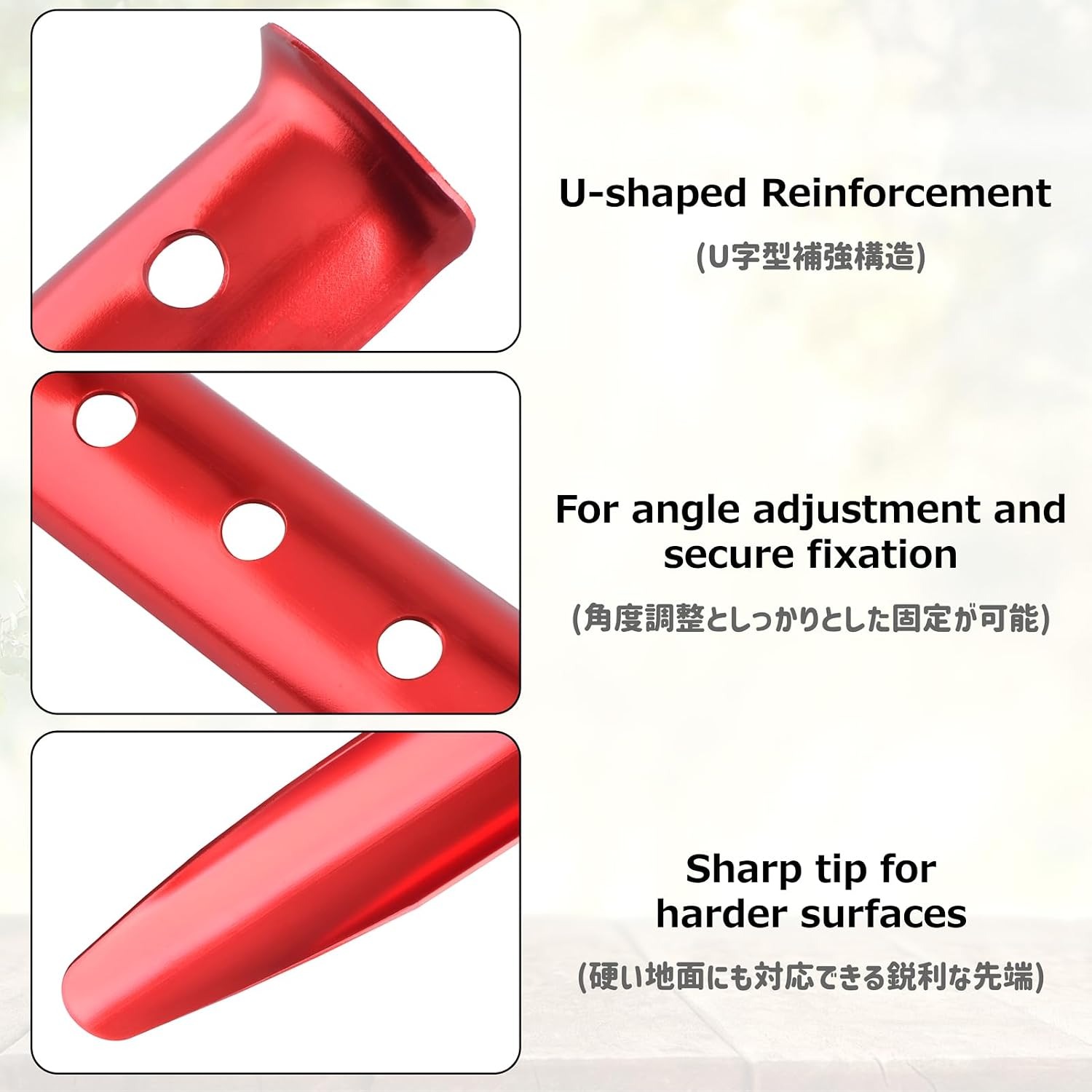
Wide 3.6cm BladeBroad face spreads load across loose sand and snow.
52g EachLight enough for hiking and backpacking kits.
Anodised FinishHarder surface that resists scuffing and wear.
Bright OrangeEasy to spot in sand or snow so fewer go missing.

Keep your shelter anchored in soft ground with snow and sand tent stakes built for beaches, dunes and winter campsites.

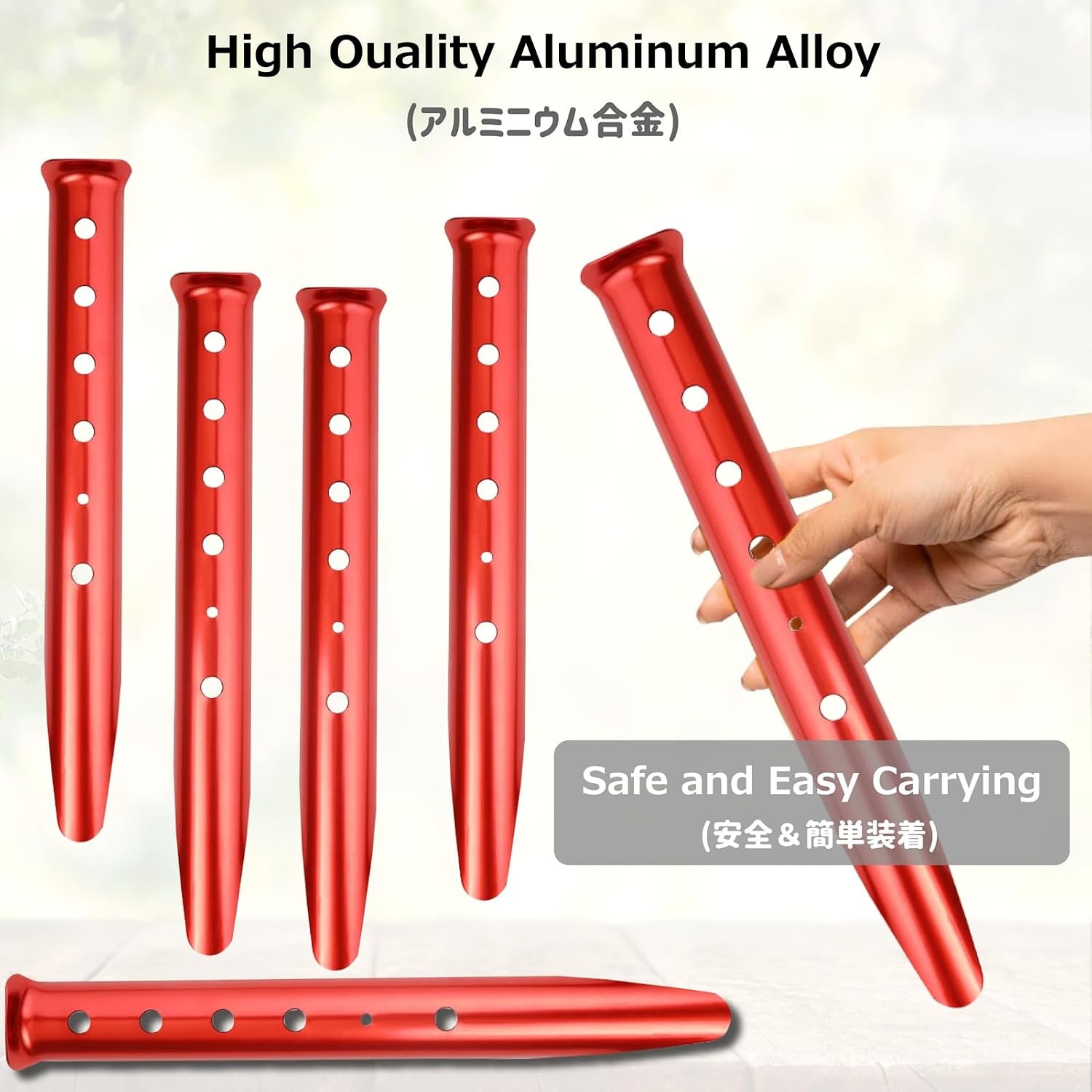
Six anodised aluminium tent pegs, each 31cm long and 3.6cm wide, weighing just 52g apiece so they hold a wide bite in loose ground without weighing down your pack.

Six aluminium tent pegs made for the ground that normal pins slip straight out of, like beach sand, dunes and snow.

Each stake measures 31cm long by 3.6cm wide, giving a broad surface that grips loose material instead of pulling free.

At 52g per peg the set stays light enough to carry in a camping, hiking or picnic kit without noticing the weight.

An anodised finish adds surface hardness and keeps the bright orange colour visible against pale sand and snow.

Suited to tents, shade canopies and beach shelters rather than hard-packed soil or stony ground.

Aluminium Snow and Sand Tent Stakes (6 Pack)

Standard tent pins are made for soil. Push one into dry beach sand or fresh snow and it will hold for about as long as it takes the wind to find your flysheet. These stakes take a different approach. Instead of a thin pin that relies on friction along its shaft, each one presents a wide 3.6cm blade along a 31cm length, so there is far more surface pressing against the loose material around it.

Aluminium Snow and Sand Tent Stakes (6 Pack)

The set contains six stakes made from aluminium, each weighing 52 grams. That is light enough that a full set adds roughly 310 grams to a pack, which most people are happy to carry when the alternative is chasing a canopy down the beach. The low weight is the reason these suit hiking and backpacking as well as car camping and day trips.

Aluminium Snow and Sand Tent Stakes (6 Pack)

An anodising process has been applied to the aluminium. Anodising builds a harder outer layer on the metal, which helps the stakes stand up to repeated driving and pulling and keeps the surface from scuffing as quickly. It also holds colour well, which is why the orange finish stays bright rather than fading to a dull grey after a season in the sun.

Aluminium Snow and Sand Tent Stakes (6 Pack)

That orange matters more than it sounds. Pegs pushed flat into sand or snow disappear fast, especially at the end of a long day when you are packing up in low light. A bright colour against pale ground means you count six back into the bag instead of five. Replacing lost pegs one at a time is how people end up with mismatched sets.

Aluminium Snow and Sand Tent Stakes (6 Pack)

There are limits worth knowing before you buy. These are made for soft ground, so beaches, dunes, soft soil and snow. They are not made for hard-packed earth, rocky ground or anything you would need a mallet to break into, and they do not suit tents that use small needle loops at the corners rather than open guy points. Matched to the right ground, though, they do a job a normal pin simply cannot.

Not sure yet? That is fine.

Camping gear has to suit your trip and your climate, and you cannot always judge that from a photograph. If it is not right for you, send it back within 14 days of delivery in resaleable condition and we refund the price you paid, including standard delivery. That is a voluntary policy we offer on top of your legal rights.

If it turns up faulty, damaged or not as described, that is on us. The Consumer Guarantees Act 1993 and the Fair Trading Act 1986 covers you, and we pay the return postage. Read the full detail on our refunds and returns page, or ask us anything before you order.

Frequently Asked Questions

What are snow and sand tent stakes?

They are tent pegs with a wide, flat blade instead of a thin round pin. The extra surface area spreads holding force across loose material like sand or snow, which has no firm structure to grip a narrow pin. This set uses a 3.6cm wide blade over a 31cm length.

Why will normal tent pegs not work in sand?

A standard pin holds because packed soil squeezes against its shaft. Dry sand flows around the pin instead of gripping it, so any sideways pull from the tent simply drags it out. A wide blade has to push a much larger volume of sand to move, so it stays put.

How many stakes come in the pack?

Six stakes are included. That covers the four corners of a small tent or beach shelter with two spare, or four corners plus two guy lines. For a larger canopy you may want a second set.

How long is each stake?

Each one is 31 centimetres long. That depth lets the blade reach below the dry surface layer of sand into the denser, damper material underneath, which is where most of the holding power comes from.

How wide is the blade?

The blade is 3.6 centimetres wide. That is noticeably broader than a typical wire or Y-beam peg, and it is the main reason these count among the best sand tent pegs for soft ground.

How much does each stake weigh?

Each stake weighs 52 grams, listed as 1.84 ounces. Six of them come to roughly 310 grams in total, so the whole set is light enough for a hiking or backpacking kit.

What material are they made from?

They are made from aluminium. Aluminium gives a good balance of strength and low weight, which is why it is common in gear carried on foot rather than driven to site.

What does anodised mean on a tent peg?

Anodising is a treatment that grows a harder oxide layer on the surface of the aluminium. It makes the stake more resistant to scuffing and wear from repeated use, and it holds colour better than bare metal or paint.

What colour are they?

They are orange. Bright colours are a practical choice for the best beach canopy anchors because a peg lying flat in sand or snow is very easy to lose track of.

Can I use these in normal garden soil?

They are intended for soft ground rather than firm or compacted earth. In loose or sandy soil they will work well. In hard-packed clay or stony ground a narrower, stronger peg is the better tool.

Are they suitable for rocky ground?

No. Hard or stone ground is outside what these are designed for, and forcing a wide aluminium blade into rock will bend it. Use a steel or hardened peg where the ground fights back.

Will they work in snow?

Yes, snow is one of the intended uses. The wide face is a good match for the best snow stakes for camping because snow behaves much like sand, with no firm grip on a thin pin.

Can I use them for a beach shade canopy?

Yes. Shade canopies are listed among the recommended uses, and they are a common reason people look for beach tent pegs in the first place. Bear in mind a large canopy catches a lot of wind and may need more than six anchor points.

Do they work with every tent?

Not quite. They are not suited to tents that use small needle loops at the four corners, because the wide blade will not pass through a narrow loop. Check your tent's peg points before ordering.

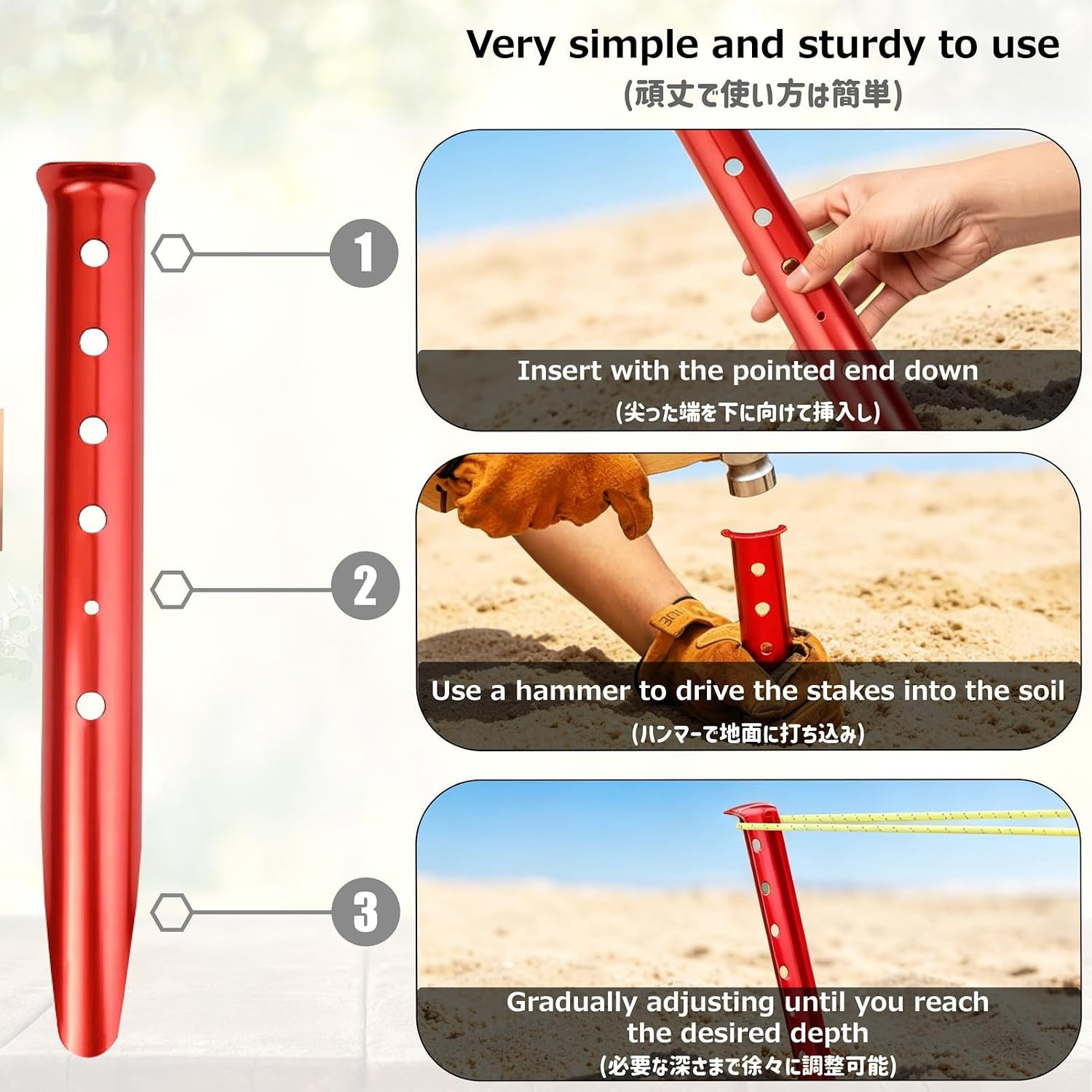
How do I drive them into sand?

Push or press them in by hand rather than hammering. Angle the stake away from the tent so the pull on the line works against the blade face. Firm the sand down over the top once it is seated.

Should I bury them completely?

In very loose sand, burying the stake sideways as a deadman anchor gives much more hold than driving it straight down. Attach the line, lay the stake flat in a trench, then pack sand firmly on top.

Can I hammer them with a mallet?

Light taps are fine in soft ground, but aluminium is softer than steel and a heavy mallet strike on a hard surface can mushroom or bend the head. If you need to hammer hard, the ground is too firm for these.

How do I get them out again?

Pull straight up along the line of the stake, or rock it gently side to side first to loosen the packed material. Never lever them sideways against a buried edge, which is how blades get bent.

Will they bend?

Aluminium can bend under enough force, especially if driven into ground it was not designed for. Used in sand, soft soil or snow as intended, the anodised surface and the width of the blade both help them keep their shape.

Can I straighten a bent stake?

A slight bend can usually be eased back by hand or over a knee. Avoid repeated sharp bending in the same spot, as that weakens the metal. A badly deformed stake is best retired.

Are these good for backpacking?

At 52 grams each they are light for their size, which makes them a reasonable pick among the best backpacking tent stakes when your route crosses beaches, dunes or snowfields. For mixed terrain, carry a few standard pegs as well.

Can I use them for a tarp?

Yes. Any shelter that needs anchoring in soft ground will benefit, including tarps, windbreaks and fly sheets. Match the number of stakes to the number of anchor points on your tarp.

Do they rust?

Aluminium does not rust the way steel does, and the anodised layer adds further surface protection. Rinsing off salt and sand after a beach trip is still good practice.

How should I clean them?

Rinse with fresh water, especially after salt water or wet snow, then dry them before packing. Wipe away stuck sand so the blades do not scratch your tent fabric in the bag.

How should I store them?

Keep them together in a small pouch or stuff sack. Loose pegs in a pack tend to work their way into fabric and poke holes, and a pouch also means you can count them in and out.

Are they sold as a replacement set?

They work well as replacements if your tent came with pins that fail in sand or snow. Plenty of people buy a set like this as the best replacement tent stakes for a shelter they already own and like.

Can children help set them up?

With supervision, yes. There are no sharp tools involved and pressing them into soft sand is straightforward. The pointed end and edges still deserve care, so keep them out of reach of small children.

What is included in the box?

Six aluminium stakes. A carry pouch is not listed as included in this record, so plan on using a pouch you already have if you want one.

What about delivery and returns?

Orders ship to your address through our standard delivery service, with timing shown at checkout for your country. If something arrives damaged or incorrect, contact us and we will sort out a replacement or return.

What if they are not right for my trip?

If the set does not suit your tent or the ground you camp on, get in touch within the returns window and we will help you return them in unused condition. It is worth checking your tent's corner loops and your usual ground type before you order, since these are built specifically for soft surfaces.

Choosing Tent Pegs for Sand, Dunes and Snow

6 min read Camping Company

The problem with pegs on soft ground

Anyone who has tried to pitch a shelter on a beach knows the feeling. You press the pegs in, the shelter looks fine, and then the first proper gust comes through and one corner lets go. You push it back in. It lets go again. By lunchtime you are using the esky as a paperweight and someone is holding a corner down with their foot.

It is not bad luck. It is the wrong tool. The thin round or V-shaped pegs that come bundled with most tents are designed for soil. Soil holds together. When you drive a pin into it, the earth presses in along the whole shaft and friction does the work. Dry sand does not press in. It flows. Snow behaves much the same way, especially fresh snow that has not had time to settle. The pin has nothing to grab, so a sideways pull on the guy line walks it straight back out of the hole.

Wide-blade stakes solve this by changing which force is doing the holding. Instead of friction along a narrow shaft, you get resistance across a broad face. To pull the stake out, the sand or snow in front of that face has to be shifted, and there is a lot more of it than most people expect.

How a wide-blade stake actually works

Picture the difference between pulling a knitting needle out of a bucket of sand and pulling a paint scraper out of it. The needle slides. The scraper has to plough through everything in its path. That is roughly the physics here.

This set uses a 31cm length with a 3.6cm wide blade. The length matters because the top few centimetres of dry beach sand are almost worthless for anchoring. They are loose, sun-dried and full of air. The firmer, damper layer sits below, and a longer stake reaches it. The width matters because that is what sets the size of the patch of ground your shelter is effectively tied to.

Each stake weighs 52 grams. That is light for something this size, and it is down to the aluminium. Six of them together come in at around 310 grams, which is about the weight of a full drink bottle. For a beach day it is nothing. For a hiking trip it is the kind of weight most people will carry happily, given the alternative is a shelter that will not stay up.

The anodised finish does two useful jobs. It hardens the outer surface of the metal, so the stakes shrug off the scrapes and knocks that come from being pushed into gritty ground over and over. It also locks in colour. The orange on these is not a coat of paint waiting to chip off, and that is why it stays visible after a season of trips.

Why colour is not just decoration

This sounds like a small thing until you lose a peg. Flat stakes lying in sand are nearly invisible. Pull one out, drop it, turn around to coil a line, and it is gone. In snow it is worse, because a dull metal stake pressed into white ground has almost no contrast at all.

Bright orange means you can scan the pitch before you walk away and see all six. Over a few seasons that is the difference between still having a complete set and gradually accumulating odd pegs from four different tents. If you have ever opened a peg bag and found seven mismatched pins and no idea which belong to what, you know why this matters.

Who these suit

The clearest fit is anyone who camps or shelters on sand. Beach day shelters, coastal camping, dune trips, picnics on open sand. Shade canopies in particular put a lot of load on their anchor points because they are essentially a sail on legs, and the best shade canopy pegs are always the ones with the widest bite.

The second group is snow campers. Winter pitches have the same problem for the same reason, and wide stakes handle both. If you camp across seasons, a single set covers summer beaches and winter snowfields.

Walkers and backpackers benefit too, as long as their routes include soft ground. The weight is low enough to justify carrying them, though if your trail crosses hard-packed or stony sections you will want a few conventional pegs in the bag as well.

Who should look elsewhere

Be honest about your ground. These are built for soft material and nothing else. Hard-packed earth, dried clay, gravel and stone will not take a wide aluminium blade without a fight, and the stake will lose. If you regularly pitch somewhere you need a mallet and real effort, a steel or hardened peg is the right purchase.

There is one more check worth making before you order. Some tents use small needle loops at the four corners rather than open rings or webbing straps. A 3.6cm blade will not thread through a loop that narrow. Have a look at your tent's corner fittings first.

Getting the most hold out of them

Technique makes a surprising difference in sand. Driving straight down is the obvious approach and it works reasonably well, but angle the stake so it leans away from the shelter. The pull on the guy line then works against the full face of the blade rather than trying to lift it out.

Firming the sand back down over the top once it is seated adds real holding power. Loose sand around the stake is wasted sand. Press it down with your heel.

For very loose, dry conditions, the deadman method is better again. Tie your line to the stake, dig a trench maybe 20cm deep, lay the stake flat in the bottom with the line running up and out, then fill the trench and pack it hard. Buried sideways like that, a single stake can hold far more than it would standing upright. It takes a couple of minutes per corner and it is what people use when wind is forecast.

When you break camp, pull along the line of the stake rather than levering it sideways. A gentle rock back and forth loosens the packed material first. Levering against buried sand is how blades end up bent.

Looking after them

There is not much to it. Rinse them in fresh water after salt water or wet snow, then let them dry before packing. Salt left on metal is never a good idea, even on aluminium that does not rust like steel.

Brush or wipe off clinging sand. Gritty stakes rattling loose in a pack will scratch gear and eventually work through fabric. A small pouch or stuff sack keeps them contained and makes it easy to count them back in at the end of the trip.

If a stake picks up a slight bend, ease it straight by hand. Do not keep bending the same spot repeatedly, since that fatigues the metal. One that has taken a serious kink is better retired than trusted in wind.

The short version

Thin pegs fail in sand and snow because there is nothing there to grip them. Wide-blade stakes fix that by giving the loose ground a large surface to push against. This set gives you six of them, each 31cm long, 3.6cm wide and 52 grams, in anodised aluminium with an orange finish that stays visible on pale ground.

They are the right choice for beaches, dunes, soft soil and snow, and the wrong choice for hard or stony ground or tents with narrow needle loops at the corners. Match them to the ground they were built for and they will keep your shelter where you put it.

Browse the shop

Not sure these suit your tent?

Send us your tent model and where you camp, and we will tell you straight whether these are the right anchor for the job.

Ask us a question

Page summary

The Azarxis aluminium snow and sand tent stakes are a six-piece set of wide-blade pegs designed for loose ground such as beach sand, dunes and snow. Each stake is 31cm long and 3.6cm wide and weighs 52 grams (1.84 ounces), made from aluminium with an anodised finish in orange. Model number 3316. The wide blade spreads holding force across soft material where thin pins pull free. Suggested uses include camping, trips, hiking, backpacking, picnics, shade canopies, beach and snow. They are not intended for hard or stony ground, and are unsuited to tents using small needle loops at the corners. Country of origin and packaged dimensions are not specified in this record.