
The complete guide
How To Choose A Soft Cooler Bag That Actually Earns Its Space
The problem with most cool bags
Almost everyone owns a cool bag that disappoints. It either holds six cans and a sad sandwich, or it is a hard plastic box that needs two people and a clear run to the car. There is a middle ground, and it is where a soft cooler like this one lives.
The trouble with the small bags is obvious once you load them. A six-pack, a bottle of water and lunch for two, and you are already out of room. Then you add ice and realise there is nowhere for it to go. Ice is not optional in a cooler, it is the engine. If a bag cannot hold both your contents and a decent amount of ice, it will never keep anything properly cold.
The trouble with hard coolers is different. They work, and for multi-day trips they are hard to beat. But they take up the same amount of space empty as full, they are awkward to carry any real distance, and they do not squeeze into the odd gaps you find in a packed car or a small boat.
What this cooler actually is
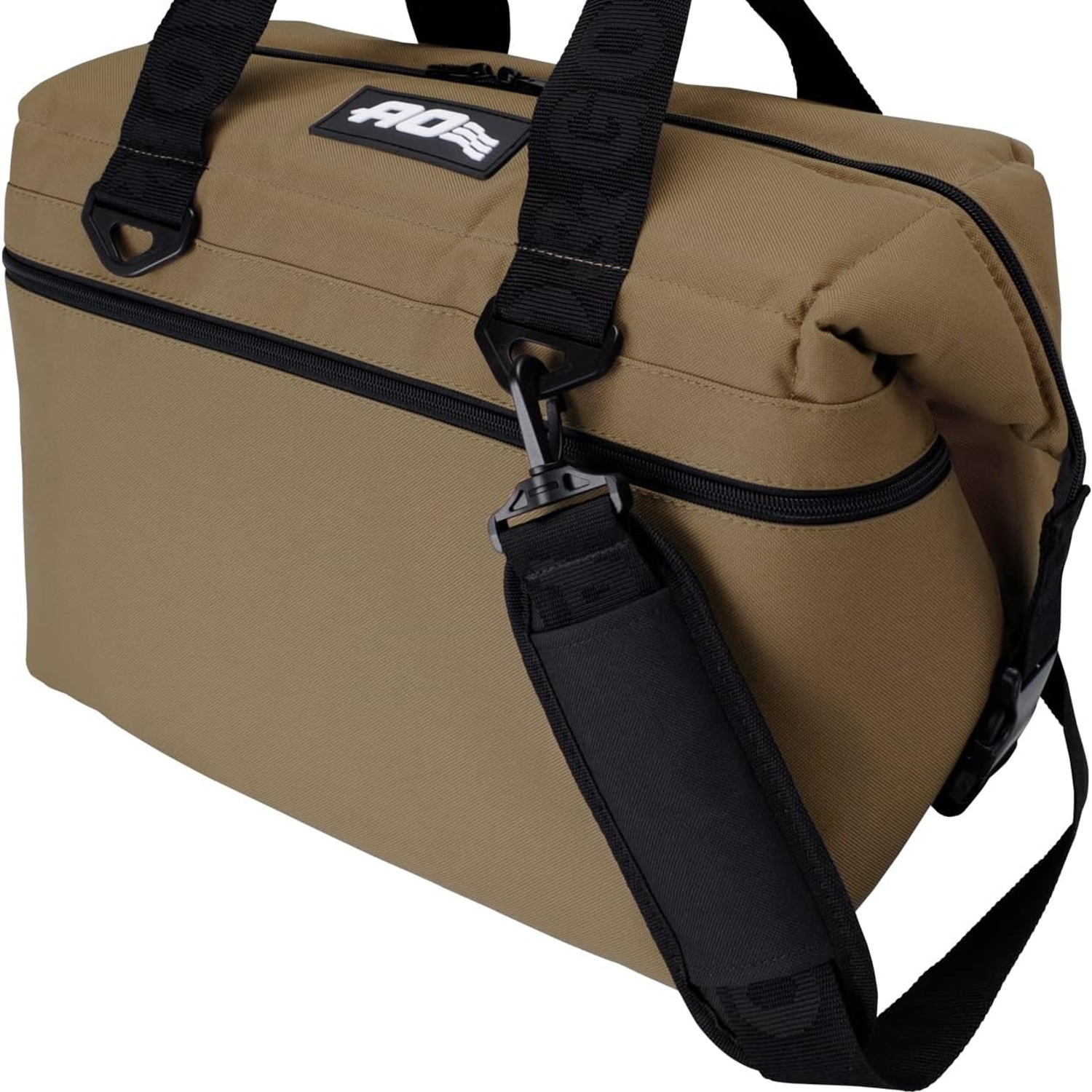
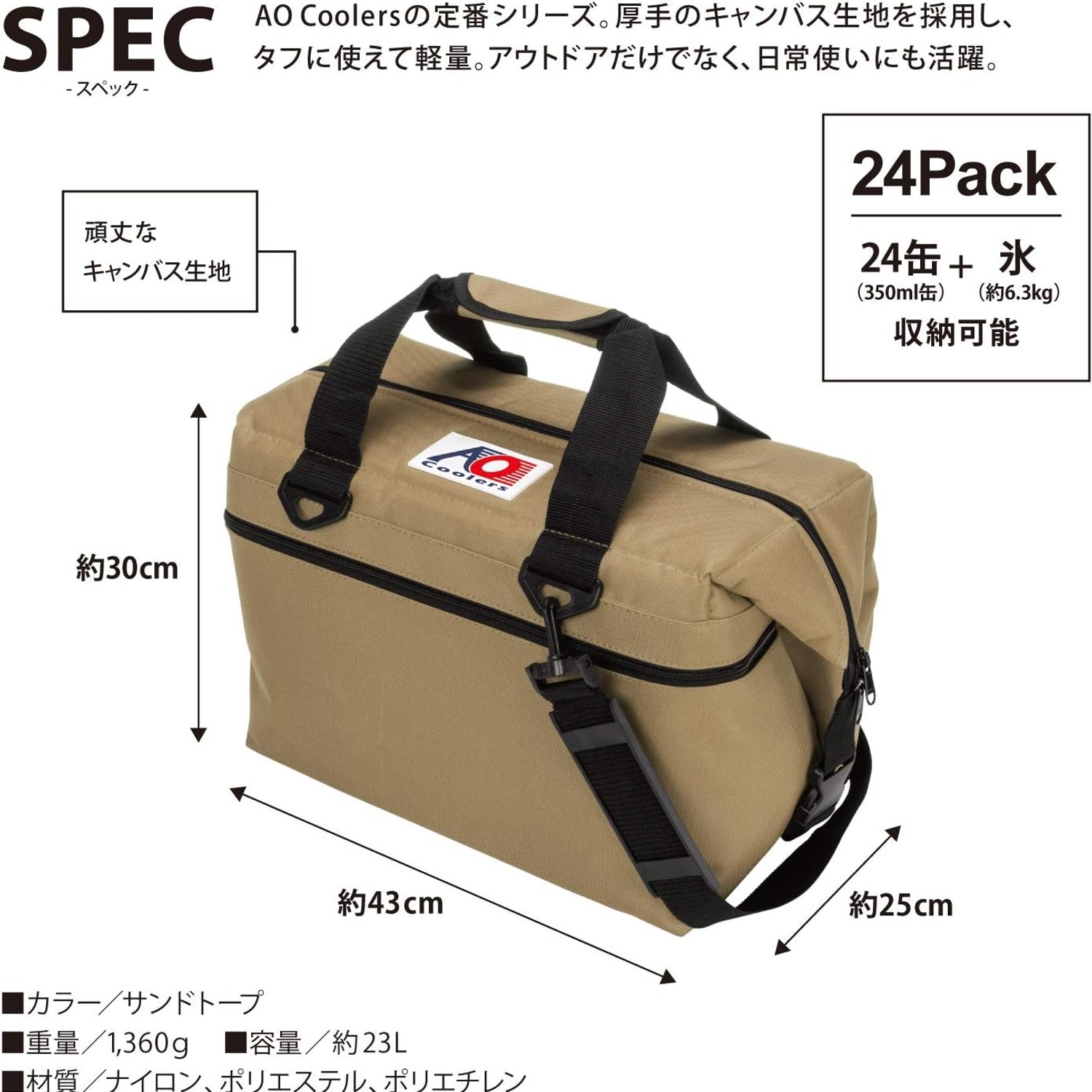
The AO Coolers Canvas Soft Cooler holds 23 litres and is built around a 24 can load. It measures 25 cm deep, 43 cm wide and 30 cm tall, and the item weight is listed at 225 g. The outer is canvas in sand taupe with a solid pattern. The material list covers nylon, polyester and thermoplastic polyurethane, with thermoplastic polyurethane also named as the insulation material.
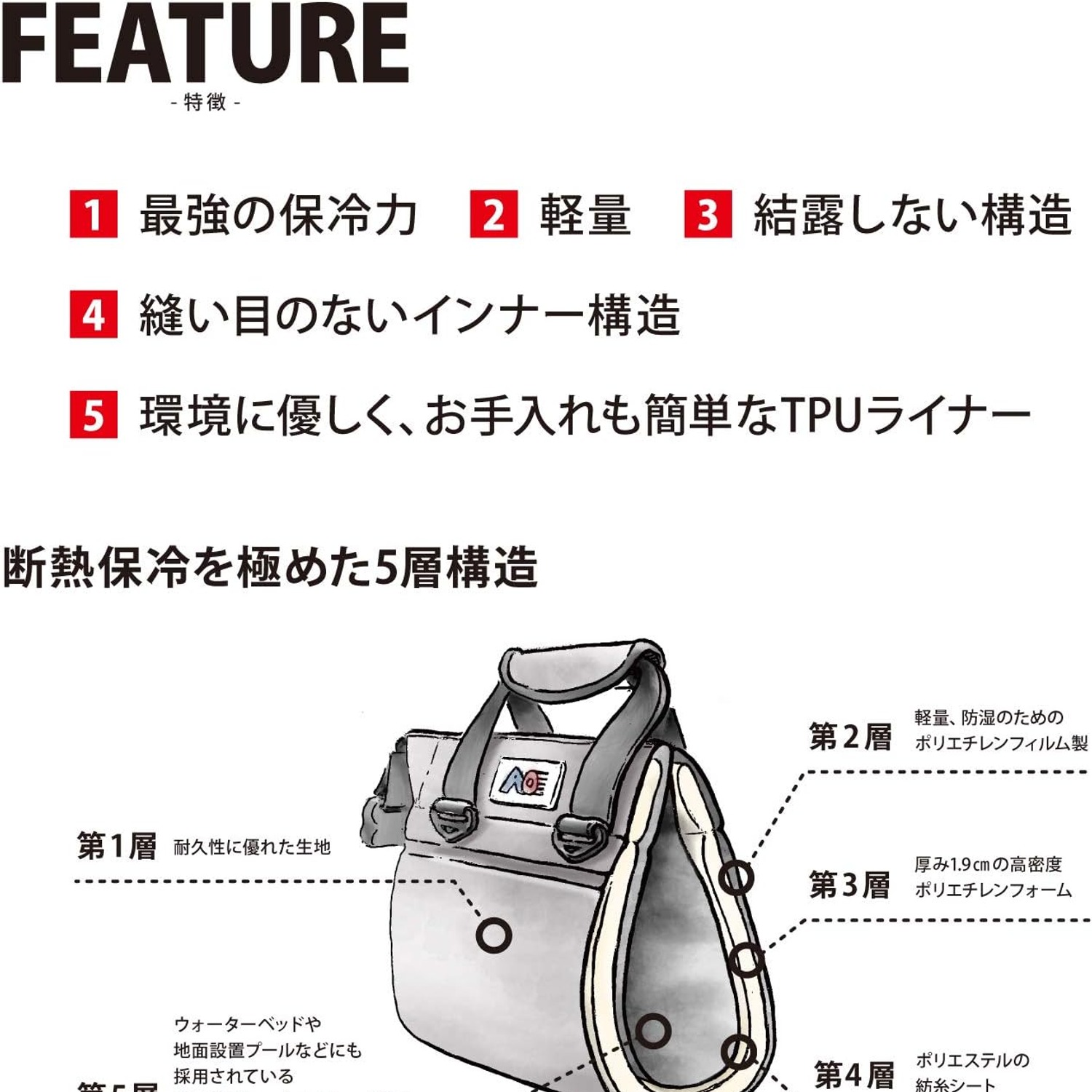
That last point is worth sitting with. Thermoplastic polyurethane, usually shortened to TPU, is the material family used for things like pool liners and waterbed bladders. It is flexible and it holds water. In a cooler, that is exactly what you want from the inside surface, because the moment ice melts you have a bag of water inside your bag. A liner that shrugs that off is the difference between a cooler that lasts years and one that goes musty after a summer.
How a soft cooler keeps things cold
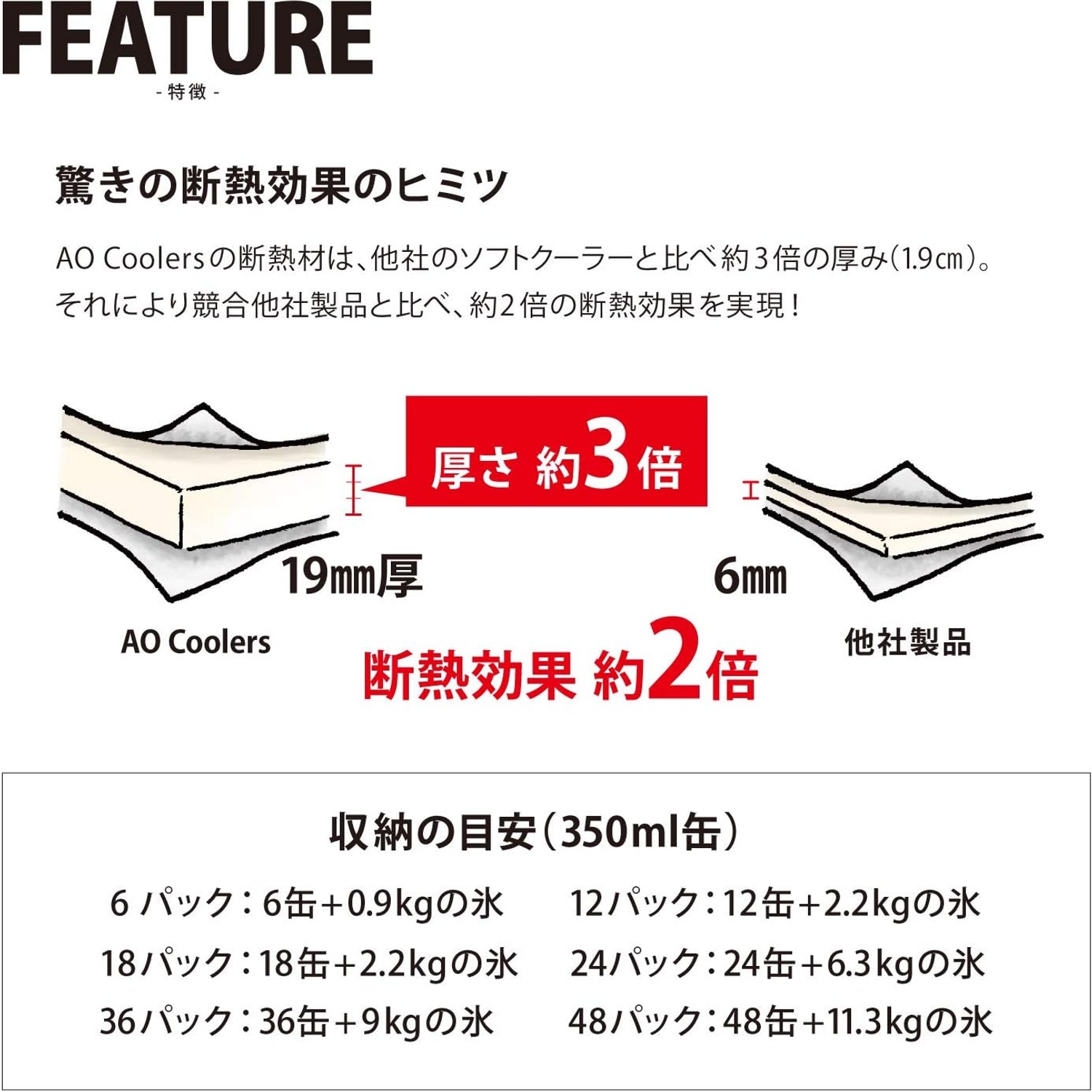
There is no magic to it. Insulation slows down the movement of heat from outside to inside. The thicker and denser the insulation, and the fewer gaps and leaks it has, the slower that transfer happens. Your ice then has a longer, easier job.
Three things you control matter far more than most people think.
The first is starting temperature. If you load warm cans straight from the pantry, your ice spends its first couple of hours just bringing them down. Chill everything in the fridge overnight and the ice goes straight to holding temperature instead. The same bag will perform noticeably better.
The second is how full you pack it. Air is the enemy. Empty space inside a cooler means warm air circulating around your contents and melting ice for no reward. Fill gaps with more ice, a rolled towel, or extra drinks. A full cooler beats a half-full one every time.
The third is how often you open it. Every time the lid comes up, cold air falls out and warm air walks in. Decide what you want before you open it, grab it, close it. On a hot day that habit alone can buy you hours.
Who this size suits
Twenty-three litres is a day-trip size. It covers a family at the beach, a fishing morning on the water, a team on the sideline at Saturday sport, or a long drive where you would rather not pay servo prices for drinks. The listed uses are outdoors, fishing, sports, picnics, travel and home storage, which is a fair summary of where a bag this size lands.
It is also a good second cooler. Plenty of people run a big hard esky for the bulk of a camping trip and keep a soft bag like this for drinks and snacks, the things you reach for constantly. That way the main cooler stays shut and keeps its cold, while the soft one does the opening and closing.
Where it is not the right tool is a week-long trip with no ice resupply. For that you want a large rigid cooler with thick walls and a sealed lid. Know which job you are buying for and you will not be disappointed.
Soft versus hard, honestly
Hard coolers win on raw cold retention and on sitting on as a seat. Soft coolers win on weight, on carrying distance, on fitting into awkward spaces, and on storage at home. A soft bag empties, dries and folds into a cupboard shelf. A hard cooler lives in the garage taking up a square metre of floor whether you use it or not.
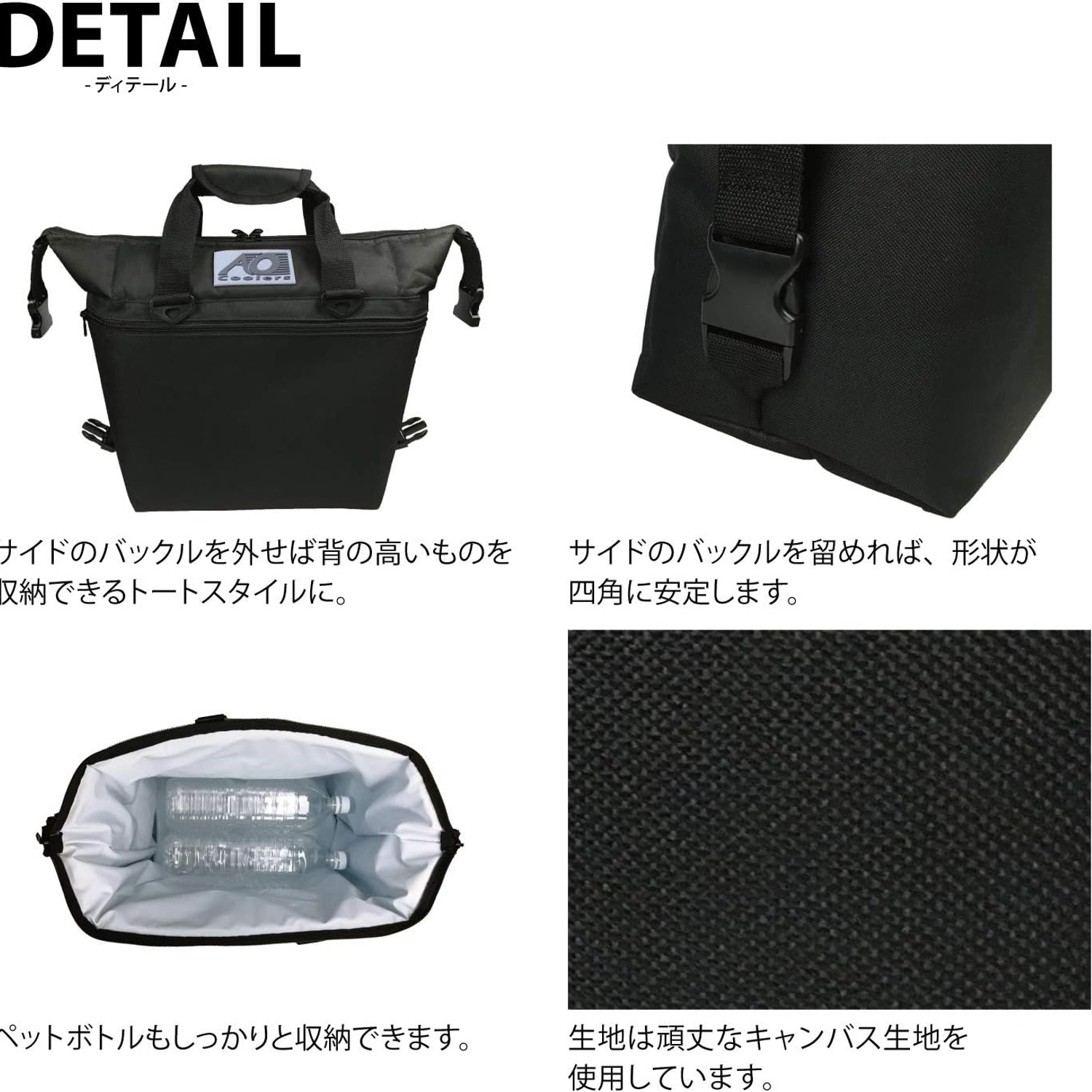
The weight difference matters more than people expect. An empty hard cooler can weigh several kilos before a single can goes in. Every one of those kilos is weight you carry from the car park to the sand. When the bag itself is listed at 225 g, nearly everything on your shoulder is the thing you actually wanted to bring.
Packing it properly
Start with a layer of ice on the bottom. Add your drinks and sealed food on top. Fill the remaining gaps with more ice rather than leaving air pockets. If you are carrying food you want kept dry, put it in sealed containers and tuck it at the top where melt water will not reach.
Block ice lasts longer than cubes because it has less surface area. Frozen bottles of water are a neat trick too, because they chill on the way out and become drinking water on the way back. Ice packs are tidier if dry contents matter most to you.
Keep the bag in the shade. Under a towel, under the car seat, in the lee of a chair, anywhere out of direct sun. Sun on a dark surface will undo a lot of good insulation work.
Looking after it
The care routine is short, and it is the whole secret to a long life. Empty and drain it after every use. Wipe the liner with warm water and a little mild detergent. Spot clean the canvas outer by hand rather than putting it in a machine. Then leave it open until it is bone dry inside.
Store it unzipped. Nearly every complaint about a smelly cool bag traces back to the same mistake, which is zipping it shut while the inside is still damp. Leave it open on a shelf and you will never have the problem.
Do not stack heavy gear on top of it in storage. Compressed insulation does not recover well, and the performance of the bag depends on that layer staying the thickness it was built to be.
A note on what we do not know
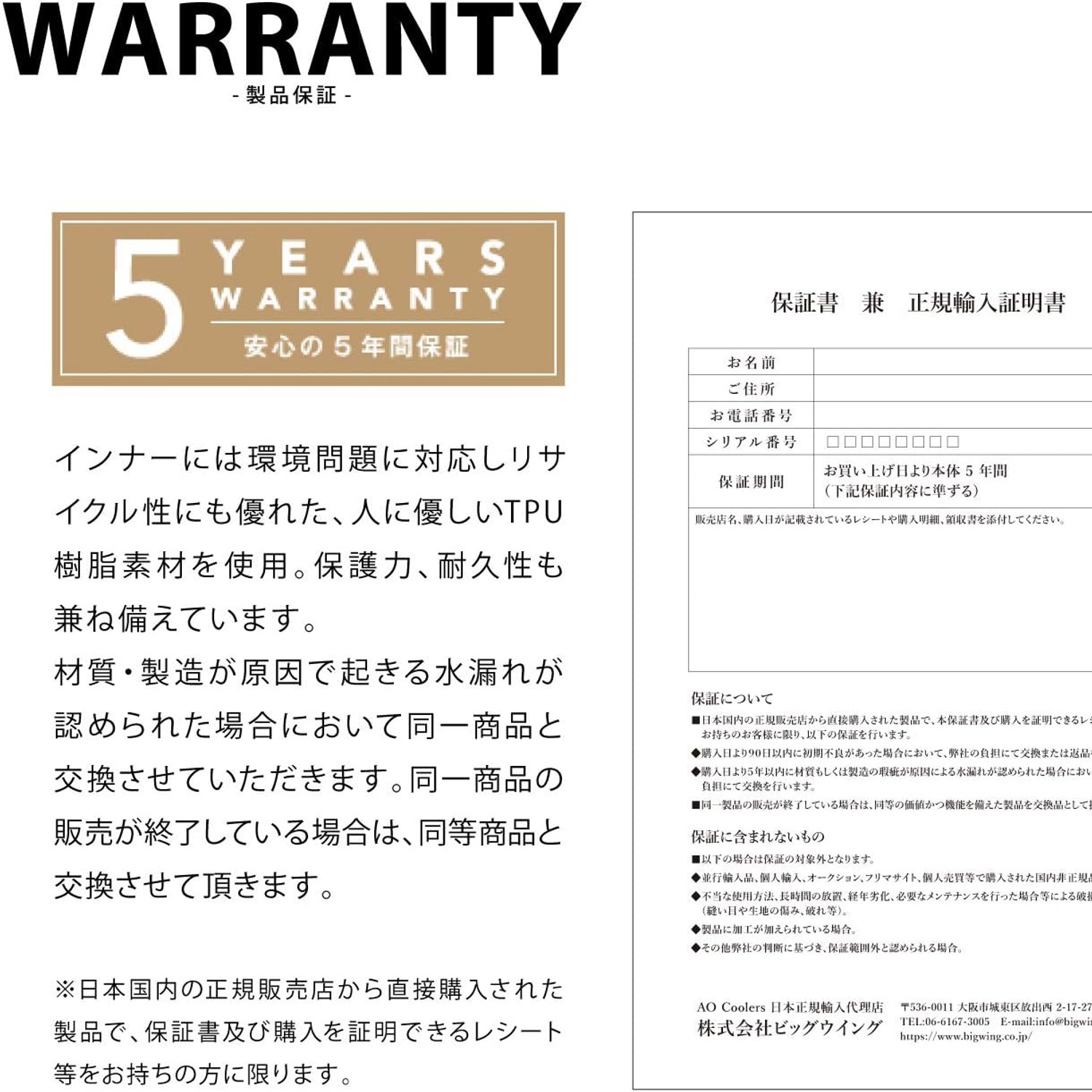
This product record lists dimensions, weight, capacity, colour and materials, and it lists EU spare part availability at five years. It does not state a tested cold-hold time, a country of origin, or warranty terms, so we have not claimed any of those. If a specific figure matters to your decision, ask us before you order and we will tell you what we can confirm.
The short version
If you want one bag for drinks and lunch on a day out, and you want it to be light, easy to store and simple to clean, a 23 litre soft cooler is the right shape of tool. Chill your contents before they go in, pack it full, keep it shaded, and dry it open afterwards. Do those four things and this bag will quietly do its job every weekend for a long time.