
The complete guide
How to Choose a 3 Person Dome Tent That Actually Works
The problem with most first tents
Ask anyone who has given up on camping why they stopped, and the tent usually comes up. It took too long to put up in fading light. Water came through the floor. It weighed as much as the esky and lived in the garage after one trip.
None of that is about camping being hard. It is about buying the wrong shelter for the kind of trips you actually take. Most people are not doing month long expeditions. They are doing two nights at a campground, a festival, a fishing weekend, or a night in the backyard with the kids to see if they like it. A tent built for that life needs four things: it goes up fast, it keeps water out, it moves air, and it is light enough that carrying it is not a chore.
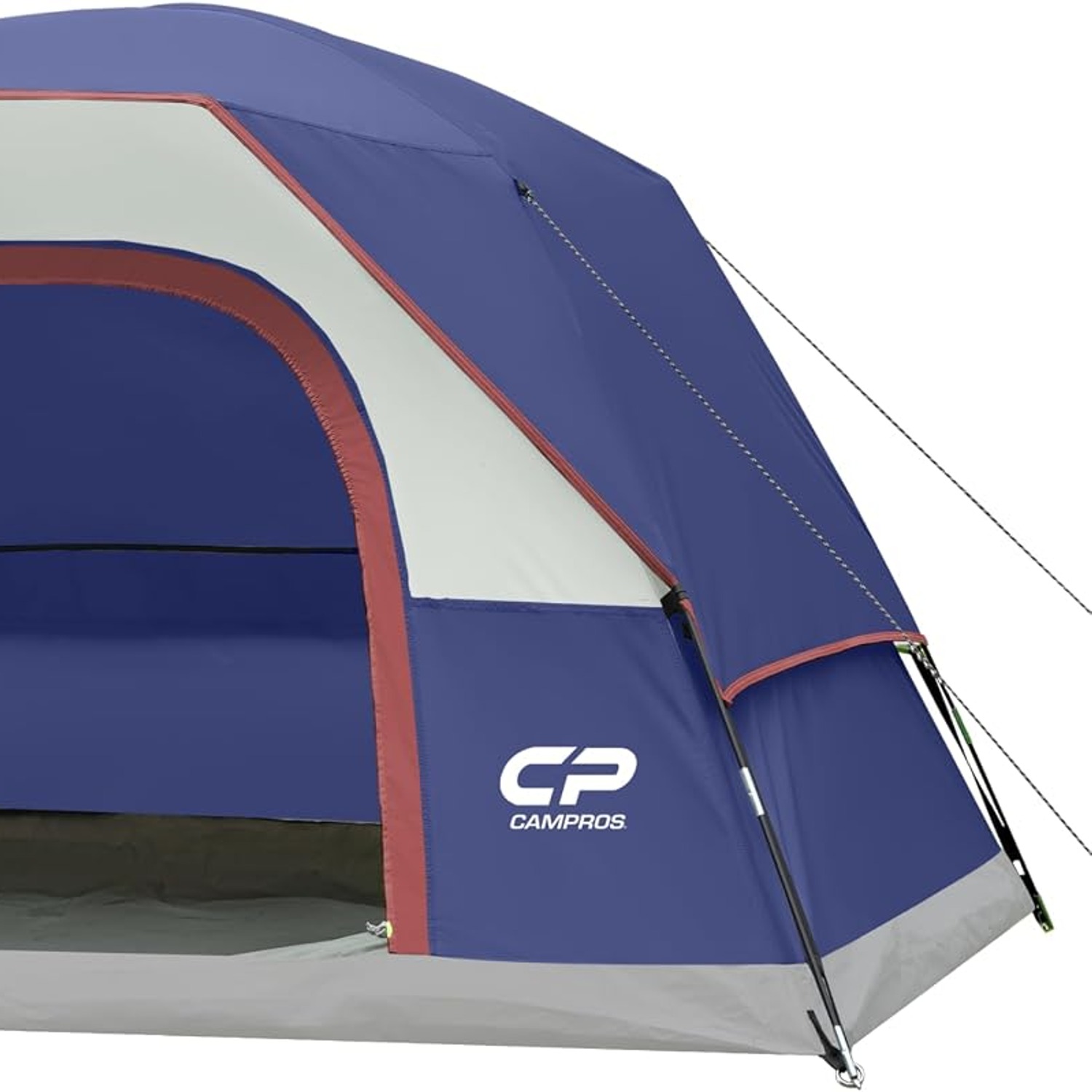
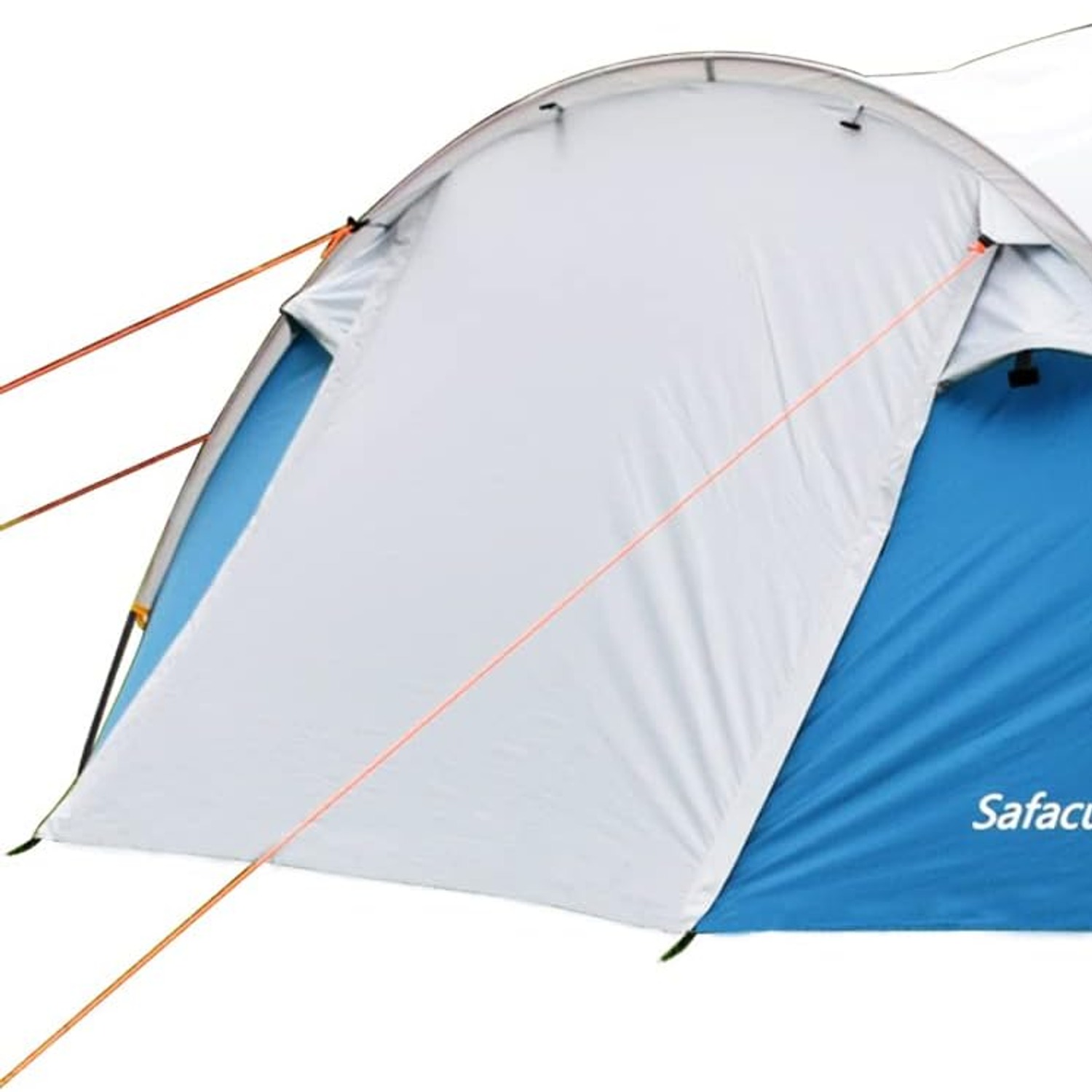
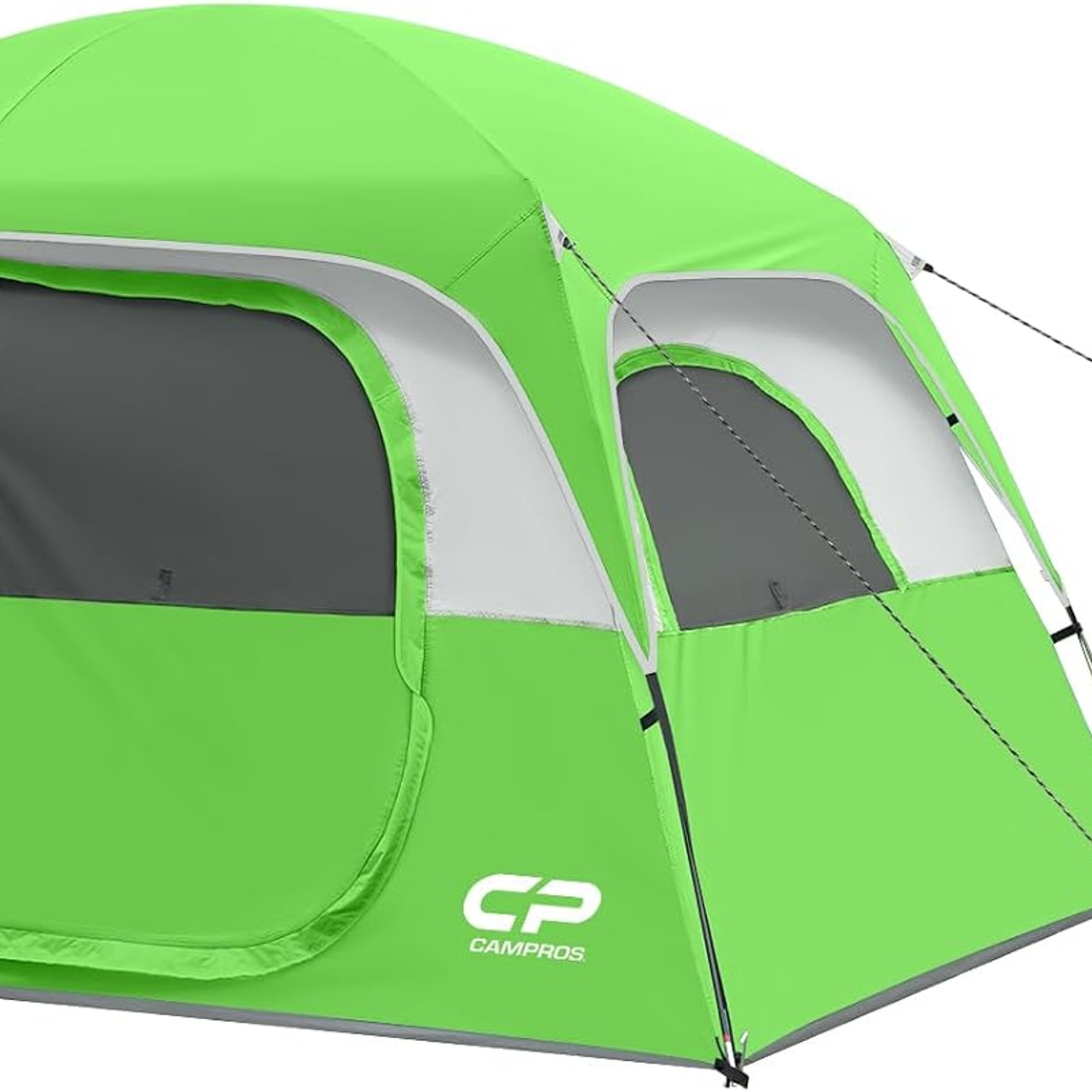
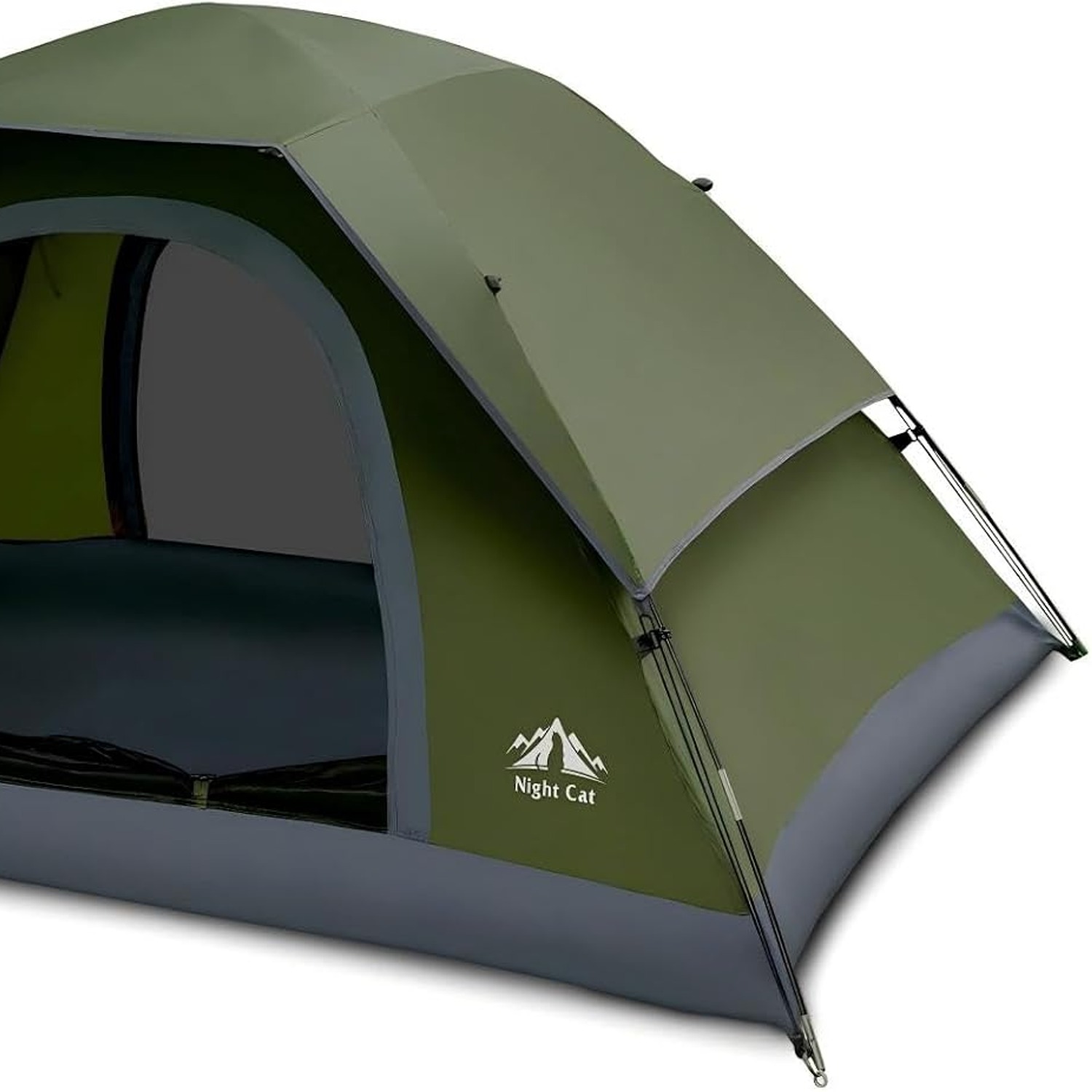
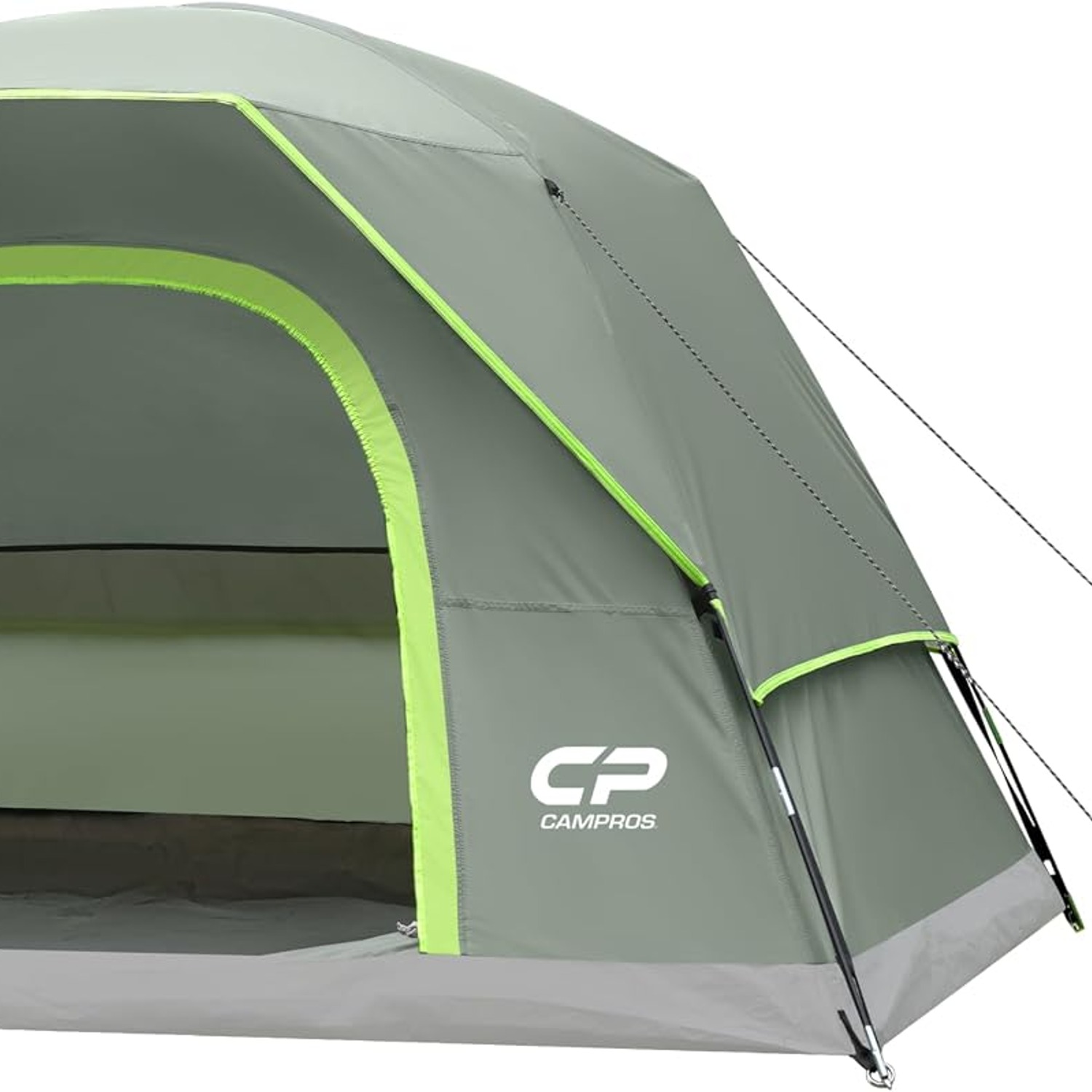
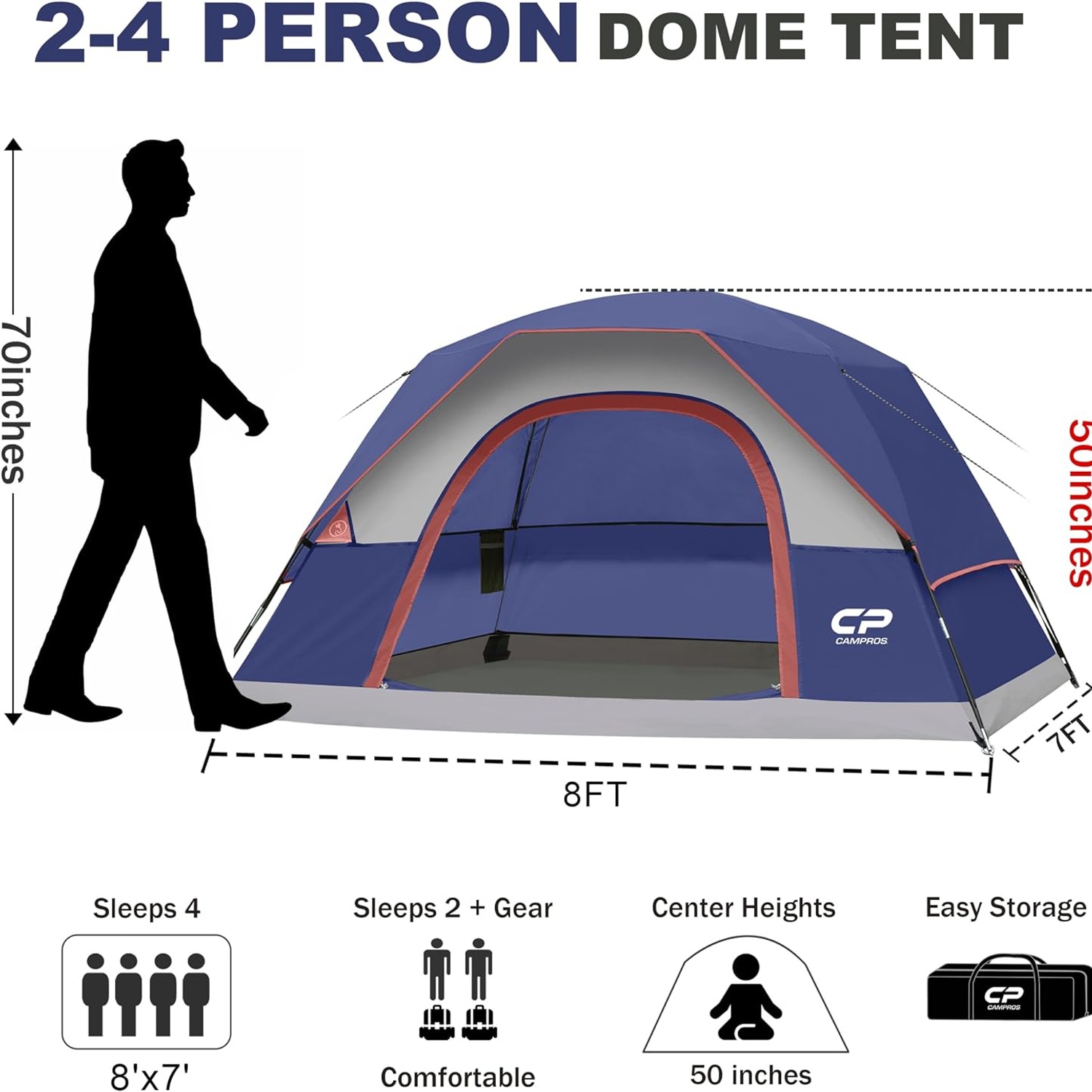
This dome tent is aimed squarely at that. It is a 3 season shelter with a 8 ft by 7 ft floor, a 50 inch peak, a PU 1500mm waterproof coating and a 3.5 kg packed weight. Nothing exotic. Just the specification you need for ordinary trips.
How a dome tent works
A dome gets its shape from poles that cross over the top and bend down to the corners. That curve does two jobs. It holds the fabric tight so it does not flap and leak, and it gives the structure strength without needing a lot of stakes to stand up.
This one is freestanding, which is a bigger deal than it sounds. It means the tent holds its shape once the poles are in, before you put a single peg in the ground. You can assemble it on a lawn, lift it, carry it ten metres to a better spot and then stake it down. On hard ground, sand or a campsite platform where pegs do not grip well, a freestanding design saves the trip.
There are four aluminium poles and they attach with clips. If you have only ever used an older tent where the pole threads through a long fabric sleeve, the difference is obvious the first time. Clips snap on in seconds and come off just as fast when you are packing up in the rain.
What keeps the weather out
Three layers do the work here. The polyester body carries a PU 1500mm waterproof coating. The removable polyester rainfly goes over the top as a second barrier and creates a gap for air to move. The floor is polyethylene, a thicker material that handles ground moisture and scraping against stones.
That 1500mm figure comes from a hydrostatic head test, which measures how tall a column of water the fabric can hold before it starts leaking. For ordinary camping rain, 1500mm is a solid, common standard. Heavy, sustained downpours on an exposed site will test any tent in that range, so pitch sensibly. Avoid hollows where water pools, stake out every point and use the guy lines.
The listing also notes UV protection and windproof construction. The low dome profile genuinely helps in breeze, because wind slides over the curve instead of pushing on a flat wall.
Ventilation and why condensation happens
Here is the thing that catches new campers out. You wake up and the inside of the tent is wet, and you assume the tent leaked. Usually it did not. You breathed out several hundred millilitres of water overnight, and it condensed on the cool inner fabric.
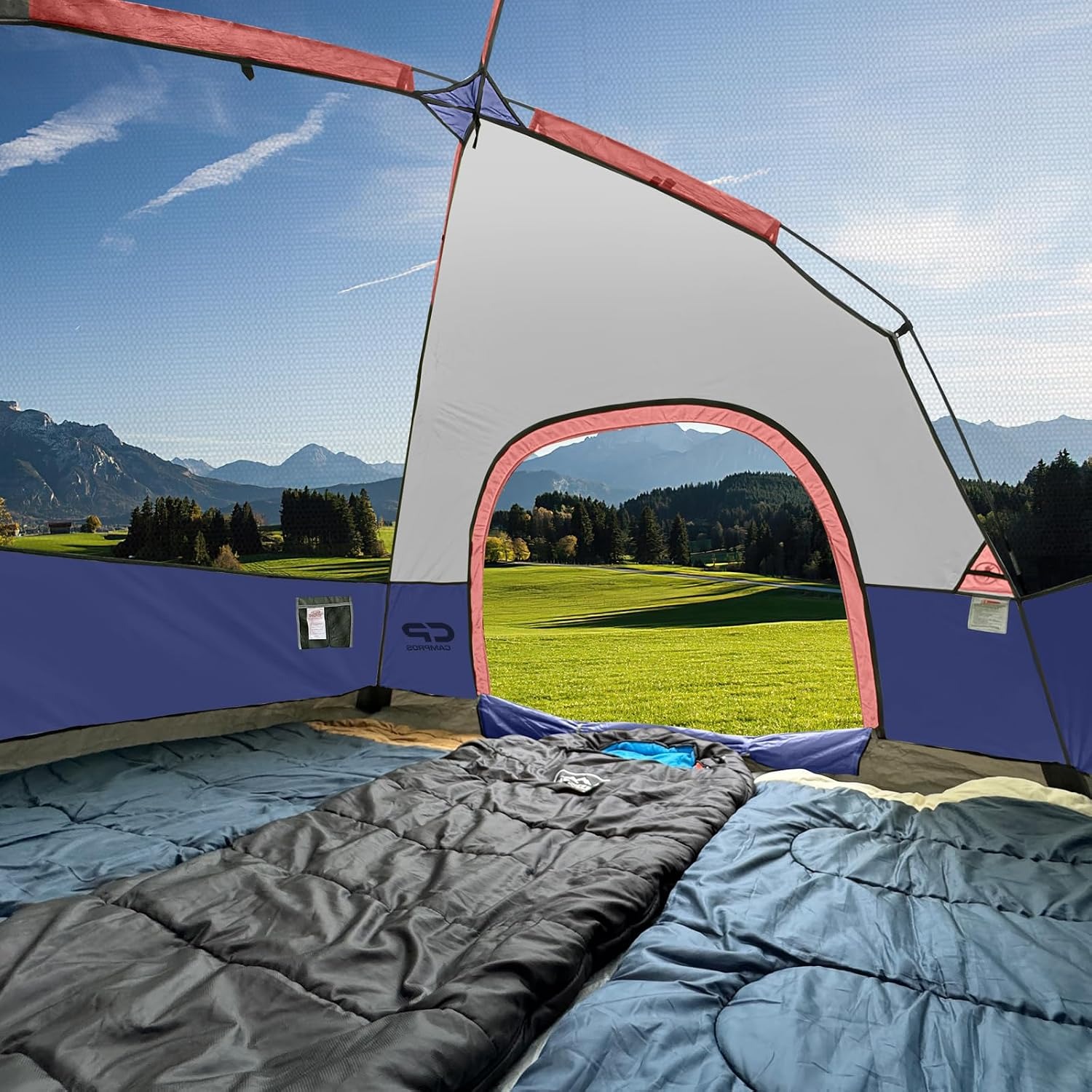
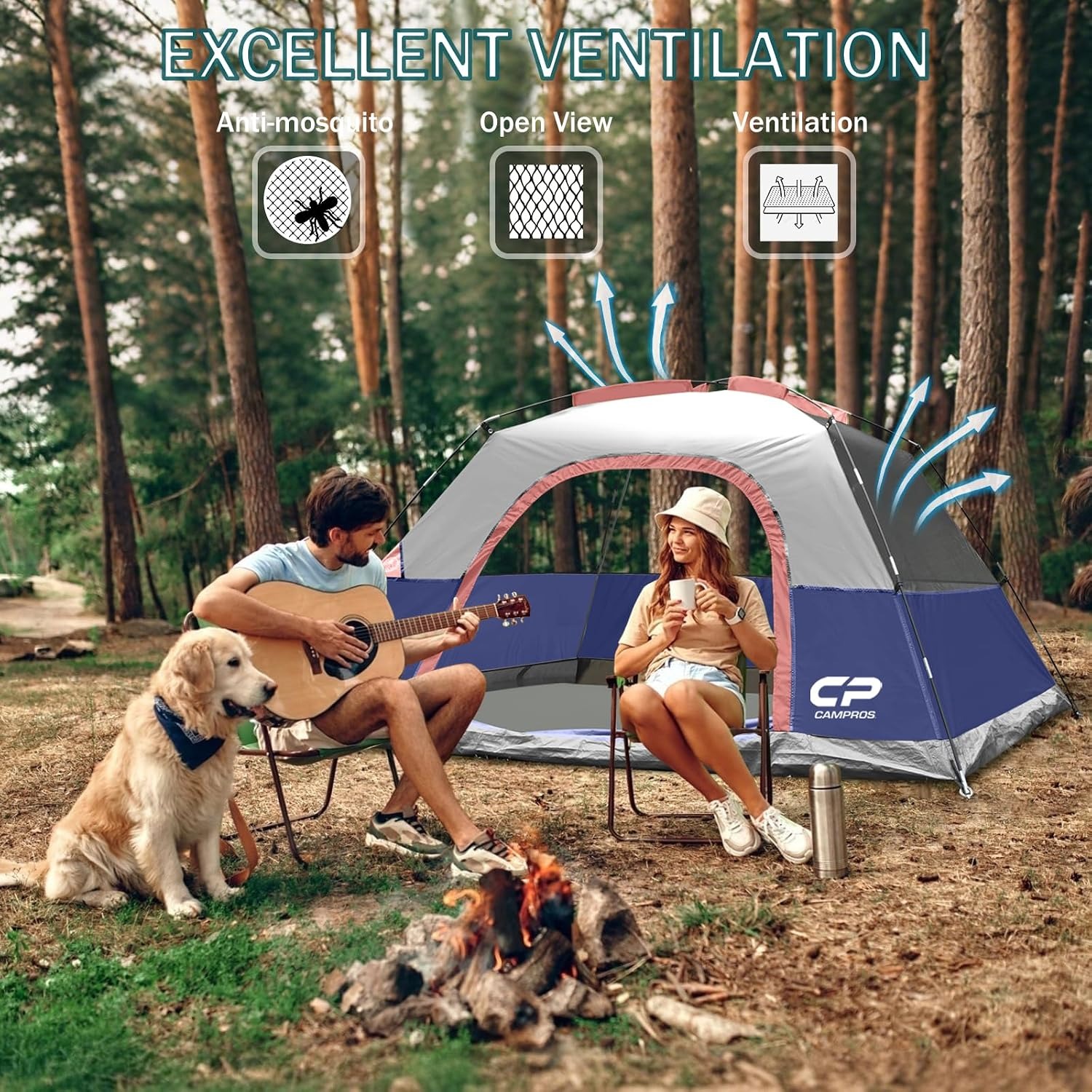
The fix is airflow. This tent has one large mesh window, which lets that warm damp air escape while keeping insects out. The removable rainfly matters here too. On a clear, warm night you can take it off entirely and get a lot more air moving through, plus a view of the sky. On a cool, still night, cracking the door zip a little at the top makes a noticeable difference to how dry you wake up.
Who this suits
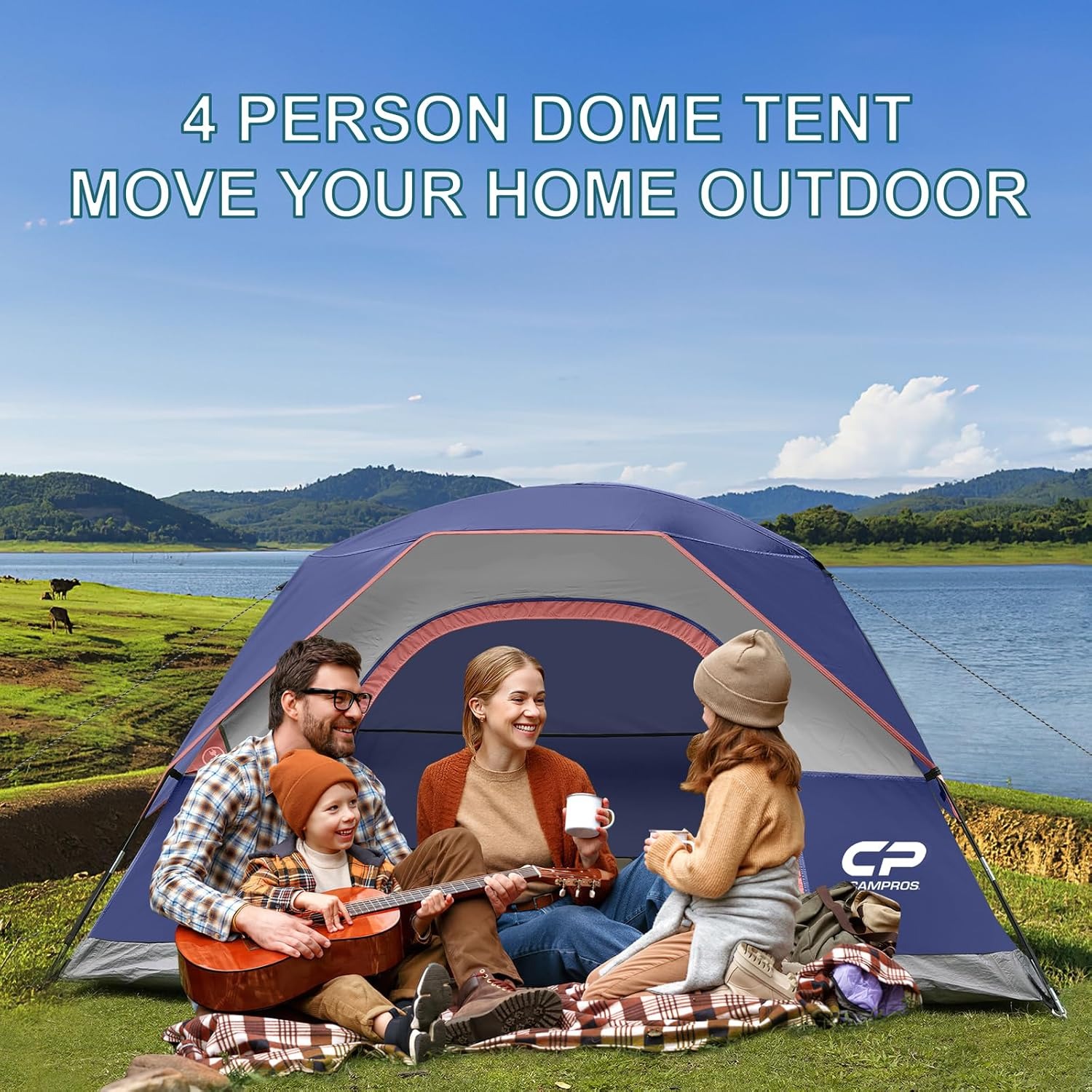
Two people get a genuinely comfortable space. The manufacturer rates it at 4 person capacity, and that figure, like all tent capacities, assumes bodies lying side by side with nothing else inside. Three adults fit with room for packs. Two people have space to spread out, keep gear dry and still move around.
Think about your use case honestly. For car camping, festivals, fishing weekends and beach trips, this is a good fit and makes a solid best car camping tent. For short walk-in sites where you carry gear a kilometre or two, 3.5 kg split between two people is very manageable, so it works as a best lightweight dome tent for casual hikers. For long distance trekking where every hundred grams counts, you would look at something more specialised.
It is also a sensible first tent. The five minute setup means a first-time camper is not standing in a field at dusk arguing over instructions, and a best quick setup tent removes most of the stress from arriving late.
How to choose between tents
When you compare options, look at four things rather than the headline capacity number.
Floor area tells you more than the person rating. Here it is roughly 56 square feet. Divide it by the number of people you actually plan to sleep in there and see whether each person gets a reasonable strip.
Peak height decides whether you can sit up to change clothes. At 50 inches in the centre, this one works for sitting but not standing. Cabin tents give you standing height and lose wind performance and pack size in the trade.
Packed weight decides whether the tent gets used. A heavy tent stays in the garage.
Setup type decides whether the first night feels fun or like work. Clip poles and a freestanding frame are worth looking for every time.
Looking after it
Tents mostly die from bad storage rather than hard use. The single most important habit: never pack a damp tent away. When you get home, pitch it in the yard or hang it over a rail until it is bone dry, then pack it loosely. A tent stored wet for a week will come out with mould spots and a smell that does not wash out.
Care for this model is hand wash. Use cool water and a soft cloth on dirty patches. No machine washing, no bleach, no tumble dryer, no dry cleaning. Those processes strip the waterproof coating.
Before you fold it, shake out sand, leaf litter and grit, especially from the floor and the zip tracks. Grit in a zipper is what breaks zippers. Keep the poles clean where the sections join so they slide together properly. Store the whole lot somewhere cool and dry, out of direct sun, because UV degrades fabric even when the tent is packed.
And do the obvious safety things. No stoves, no heaters and no flames inside or against the tent, ever. Cook outside or under the vestibule with plenty of air moving.
The short version
This is a straightforward 3 season dome tent that does the common jobs well. The floor is 8 ft by 7 ft with a 50 inch peak, which is roomy for two or three and tight for four. Weather protection comes from a PU 1500mm coating, a removable rainfly and a polyethylene floor. Four aluminium poles clip on for a five minute pitch, and the whole kit packs to 3.5 kg.
Buy it for weekend camping, festivals, fishing and short walk-ins. Dry it before you store it, peg it out properly when wind is about, and it will cover a lot of good nights outdoors.