
The complete guide
How To Choose A Wheeled Cooler Box That Actually Keeps Its Cold
The problem with the cooler you already own
Most households have a cool box somewhere. It lives in the garage, it comes out twice a summer, and every time it does, someone grumbles. The reason is almost always the same. A full cooler is heavy. Twenty six litres of ice, cans and food can weigh more than a small child, and carrying that from the car park to the campsite by two thin plastic handles is nobody's idea of a good start to a weekend.
The second problem is the one you notice later in the day. You open the box at two in the afternoon and the ice is already water, the cheese is swimming, and the drinks are lukewarm. That is usually not a fault with the cooler. It is a mix of how it was packed, where it was parked and how often the lid went up and down.
A wheeled camping cooler fixes the first problem outright. Good packing habits fix the second. Get both right and your cool box stops being the annoying part of the trip.
How a hard cooler actually works
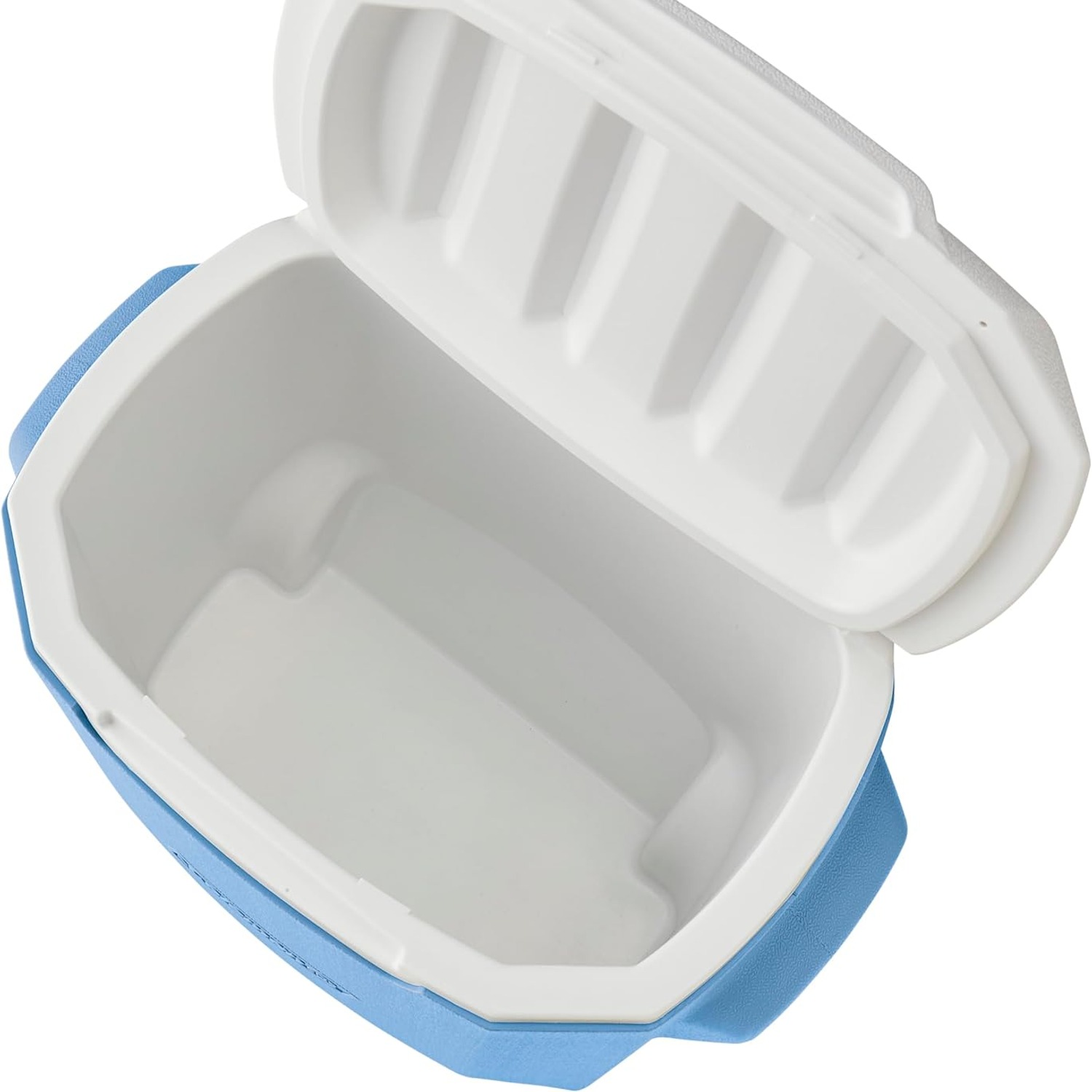
A hard cooler is a box inside a box. The outer shell takes the knocks, the inner liner holds your food, and between them sits insulation. On this Coleman model the shell and insulation are polyethylene, with alloy steel and polyurethane making up other parts of the build.
Insulation does not create cold. It slows the movement of heat. Warm air outside is constantly trying to get in, and the thicker and better sealed the walls, the longer that takes. Coleman states around two days of cold retention for this cooler when it is used properly, and that phrase matters. The number assumes you have helped the box rather than fought it.
Every time you lift the lid, warm air pours in and cold air falls out. Every gap of empty space inside is a pocket of air that has to be chilled all over again. Every hour in direct sun heats the outer shell and pushes that heat inward. None of this is complicated, but it explains almost every disappointed review you will ever read about a cool box.
Why wheels change the trip
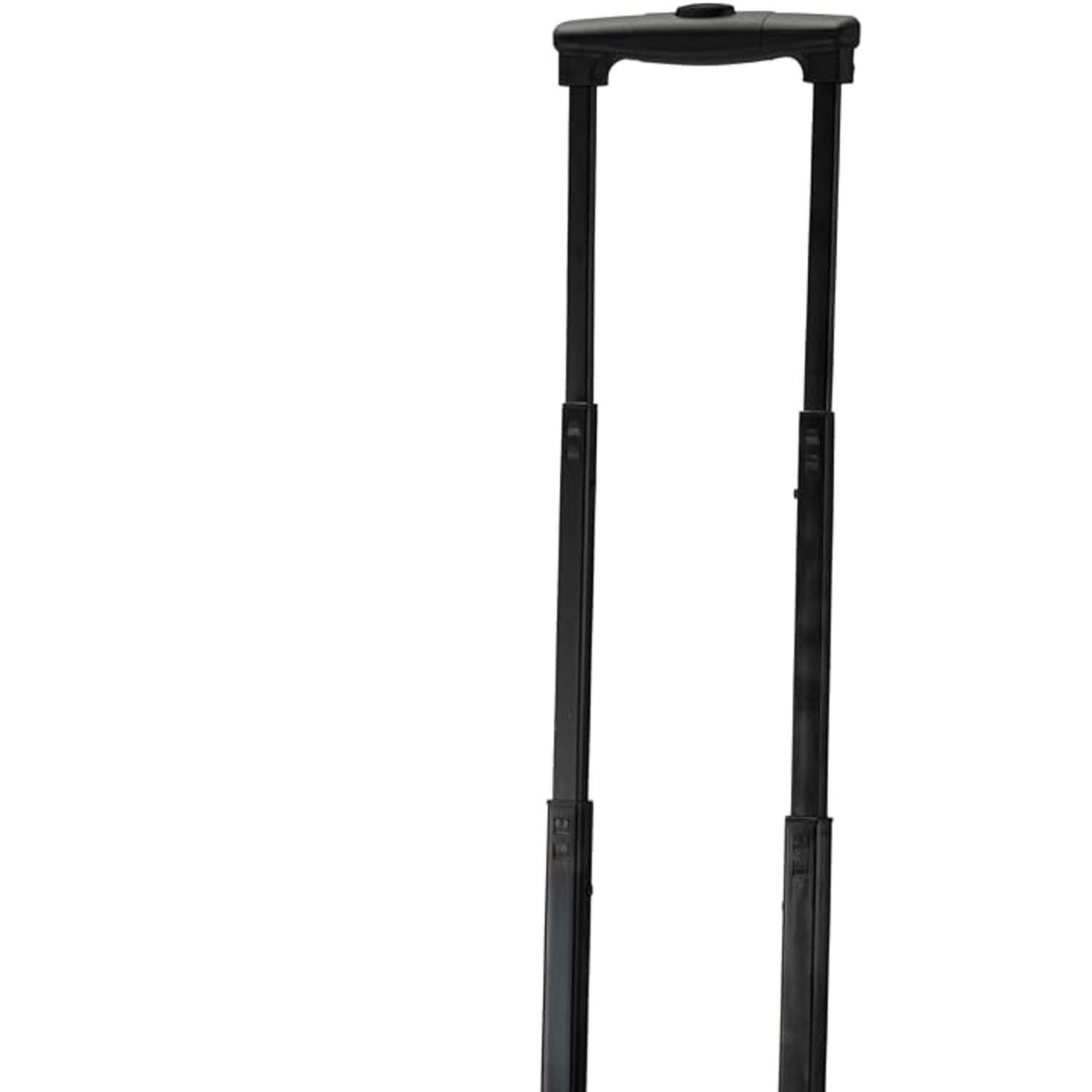
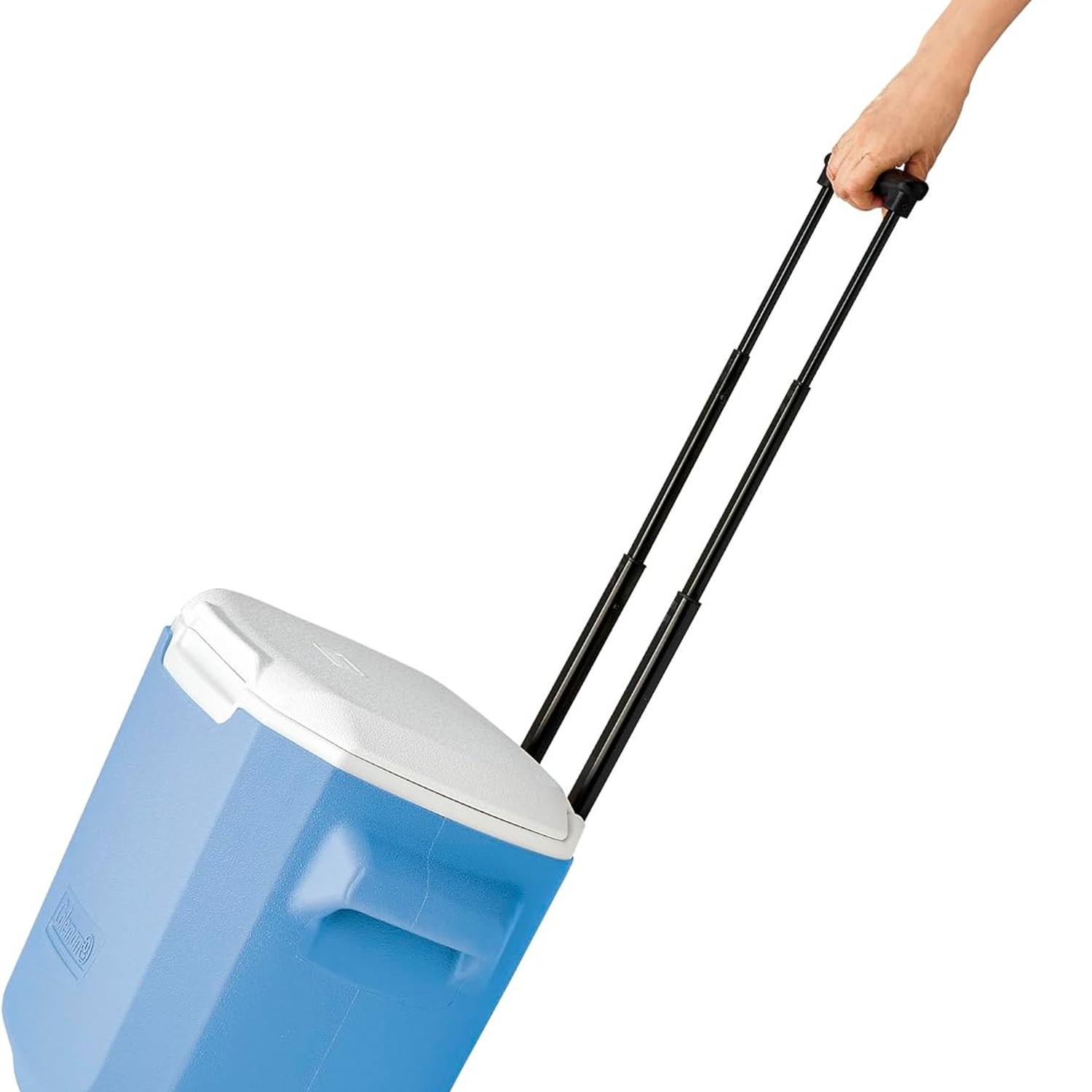
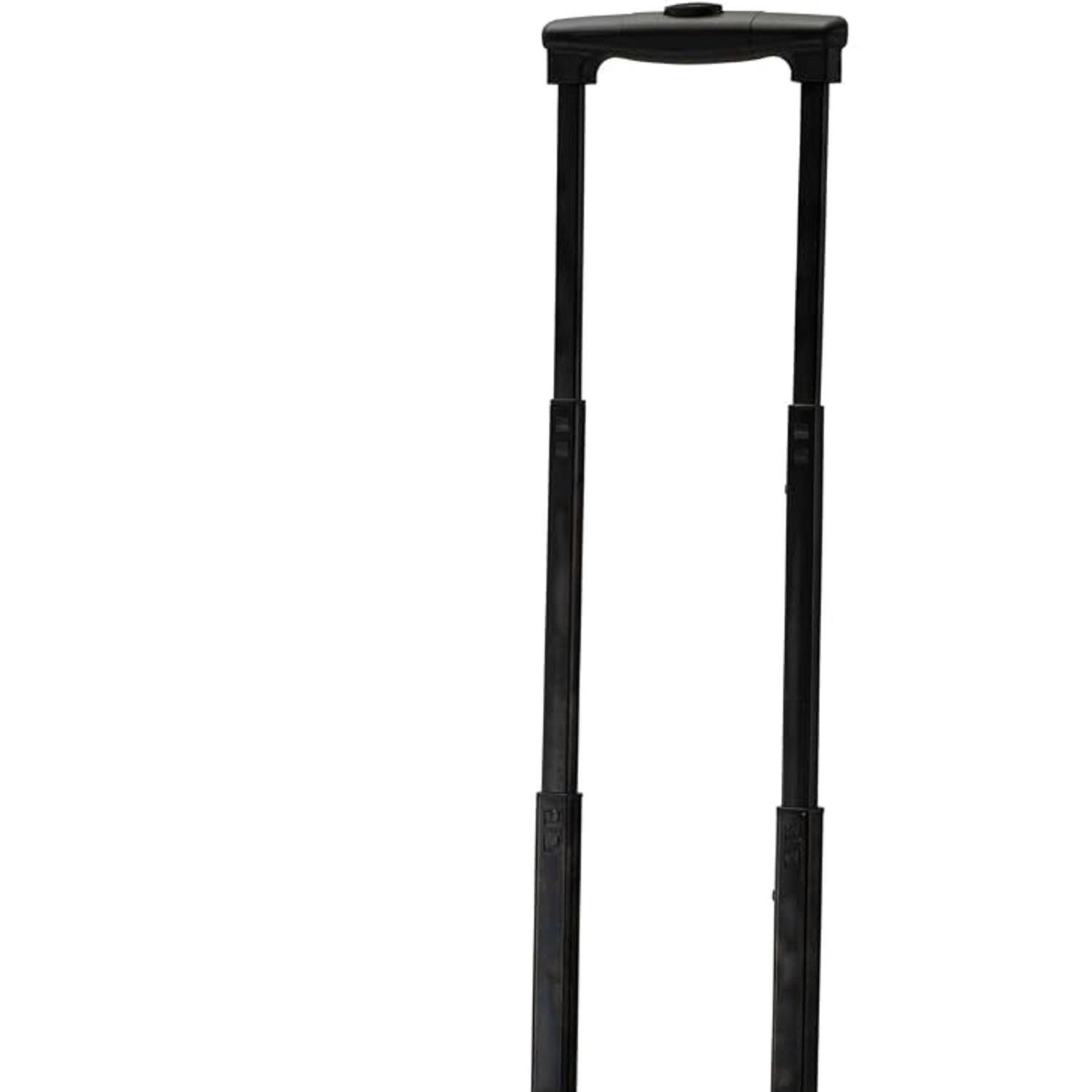
The wheels on this model sit at one end, with a telescoping handle at the other. You tilt the box onto its wheels and pull. The weight travels on the ground instead of through your arms and lower back.
It sounds minor until you do a long car park walk. Firm ground, grass, gravel paths, boardwalks and tiled surfaces all suit wheels well. Soft dry sand is the one place where any wheeled cooler struggles, because the wheels sink. On the beach, expect to drag or lift for the last stretch, then rinse the wheels when you get home so salt and grit do not build up.
The telescoping handle is the quietly useful part. Fixed handles stick out and catch on everything in a loaded boot. This one pushes back down flat, so the cooler becomes a simple rectangle again when you are packing the car or sliding it onto a shelf.
Is 26 litres the right size?
Capacity is where most people get it wrong, usually in one of two directions.
Too small and you end up bringing a second bag anyway, which defeats the point. Too big and the cooler becomes a chore. A giant box with four cans rattling around inside will not hold cold well, because all that empty air warms up fast, and you will leave it at home rather than wrestle it into the car.
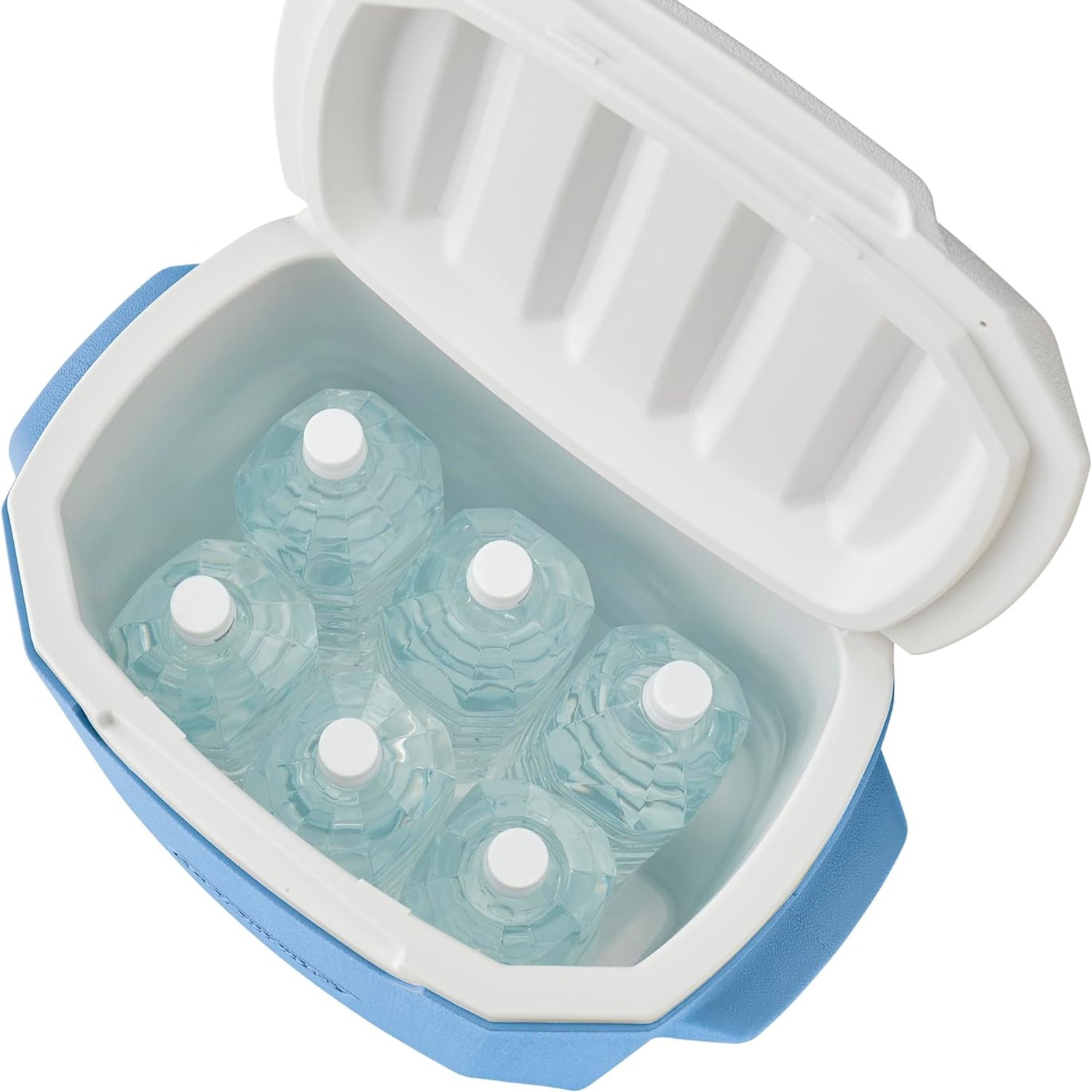
Twenty six litres sits in the practical middle. Coleman notes it takes six 2 litre bottles standing up. Swap some of that for food and you have a sensible day load for a family: drinks, a few containers of lunch, fruit and some ice packed around the lot. For two people it stretches comfortably to a weekend. For a group of six on a long camp, you would want this plus a second box, ideally one for drinks and one for food so the drinks lid can open without warming the meals.
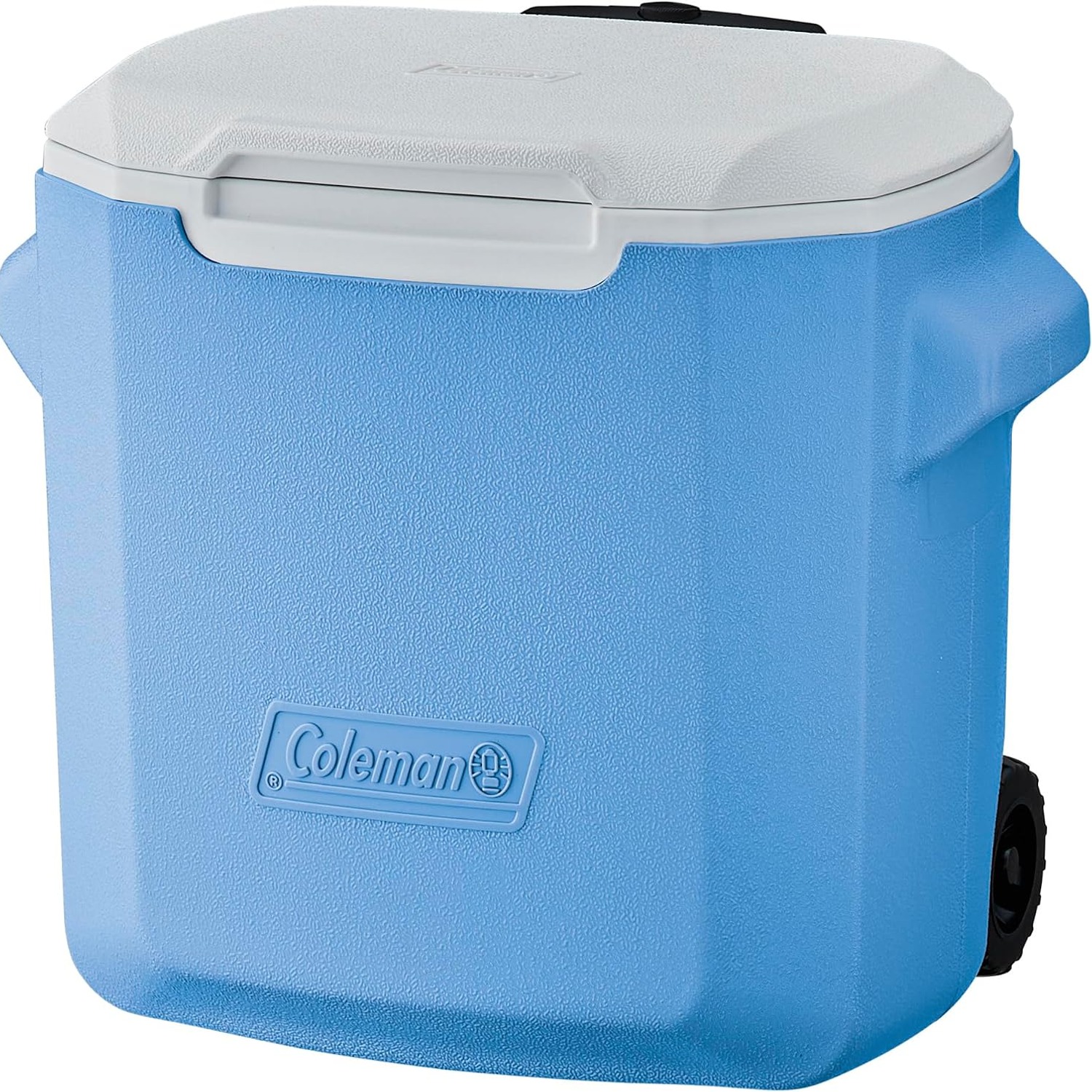
The external footprint is 42cm deep, 34cm wide and 42cm high. Take a tape measure to your boot before you order, especially if you pack tents and chairs around it.
How to pack it so the ice lasts
There is a simple order of operations that makes a surprising difference.
Start by pre-chilling. Put your drinks and food in the fridge the night before. A warm can dropped into a cold box steals ice straight away. If you have time, throw an ice pack into the empty cooler an hour before you load it so the liner itself is cold.
Next, fill the space. A packed cooler outperforms a half empty one every single time. If you genuinely have less to carry, fill the gaps with extra ice packs or even a rolled towel. Air is the enemy.
Then think about ice type. Large blocks and chunky ice packs melt slowly, which suits an overnight or two night trip. Cubed ice chills faster but drains quicker, so it is better for a single day. Many people use both, with blocks at the bottom and cubes on top.
Bag everything loose. Coleman is clear that items should go into a bag or container before they go in the box. It keeps sandwiches out of melt water, stops raw food touching anything else, and makes cleaning far quicker.
Finally, place it in shade and keep the lid shut. If you are at a sports field with no shade, throw a towel or picnic blanket over the top. It is a small trick that buys real time.
Who this cooler suits
This is a drive-to cooler, not a hike-in cooler. If you park within rolling distance of where you are setting up, the wheels earn their keep. Car camping, caravan trips, picnics, beach days near a path, fishing from a jetty or a bank, and junior sport sidelines are all natural fits. Coleman lists outdoor activities, sports and competitions as recommended uses.
It also works well for things that have nothing to do with the outdoors. Moving food between houses at Christmas, hauling drinks to a party, keeping groceries cold on a long drive home from a shop, or stocking a holiday rental for the week. A good cool box tends to get used far more often than people expect once it stops being hard to move.
If your trips involve carrying gear over rough terrain or long distances on foot, look at soft coolers instead. Wheels are dead weight if they never touch the ground.
Looking after it
Care for a cool box is genuinely easy, and skipping it is the main reason these things end up smelling bad.
After every trip, empty it and drain any water. Wash the inside with warm water and a little mild detergent, rinse it out, then dry it with a cloth. Skip bleach, solvents and rough scourers, which can mark the plastic and damage seals over time.
Then leave the lid propped open until it is completely dry inside. Sealing a damp cooler shut for three months is how you create that familiar musty smell. If it does happen, a wash followed by a wipe of diluted bicarbonate of soda usually sorts it.
Store it out of direct sunlight. UV is hard on plastics and will dull and weaken the shell over years. A shed, garage or cupboard is fine. Give the wheels a quick rinse if they have been through sand or mud, so grit does not grind away at the axles.
The short version
A wheeled cooler is one of those items where the benefit is obvious the first time you use it. This Coleman model gives you 26 litres of hard-sided, polyethylene-insulated storage that rolls on wheels and tows with a telescoping handle, measuring 42cm by 34cm by 42cm when you need to fit it in a boot.
Coleman quotes around two days of cold retention when the cooler is used properly, and that comes down to habits more than hardware: chill before you pack, fill the space, bag loose food, shut the lid and keep it out of the sun. Do that and your ice will outlast the weekend.
If your trips start with parking the car and walking a short way, this is the kind of cool box that stops being an argument and just gets on with the job.