
The complete guide
How to Choose a Cotton Flannel Sleeping Bag
The problem with most sleeping bags
Here is the moment that ruins a lot of camping trips. You crawl into the tent, unzip the bag, slide in, and the lining is cold and slippery against your legs. You spend the next ten minutes shivering and shuffling while your body heat slowly warms up the fabric. If you move at all in your sleep, the slick synthetic lining twists around you and you wake up half-wrapped like a burrito.
That is the common experience with budget camping bags, and it has nothing to do with the temperature rating on the label. It is about what the inside of the bag feels like.
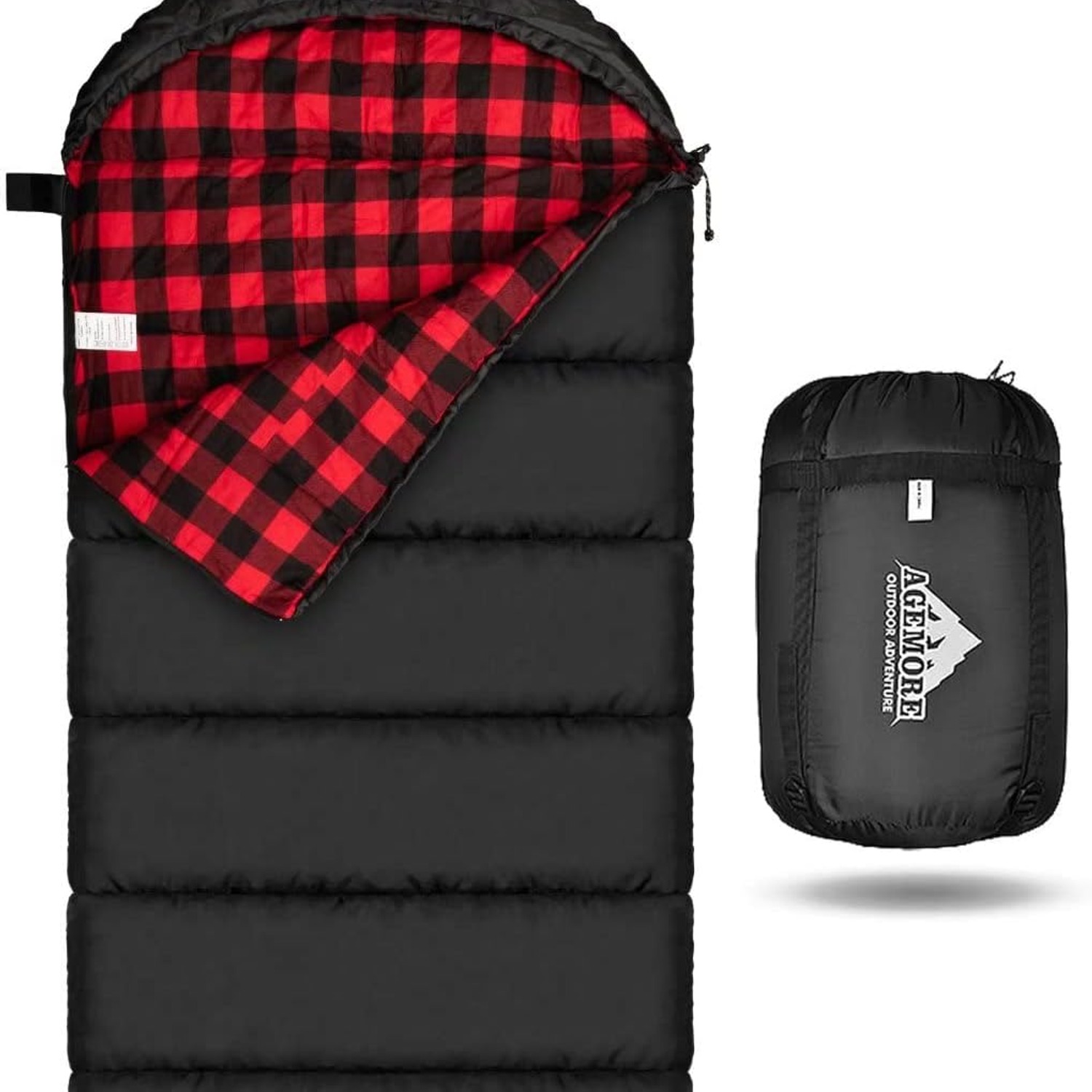
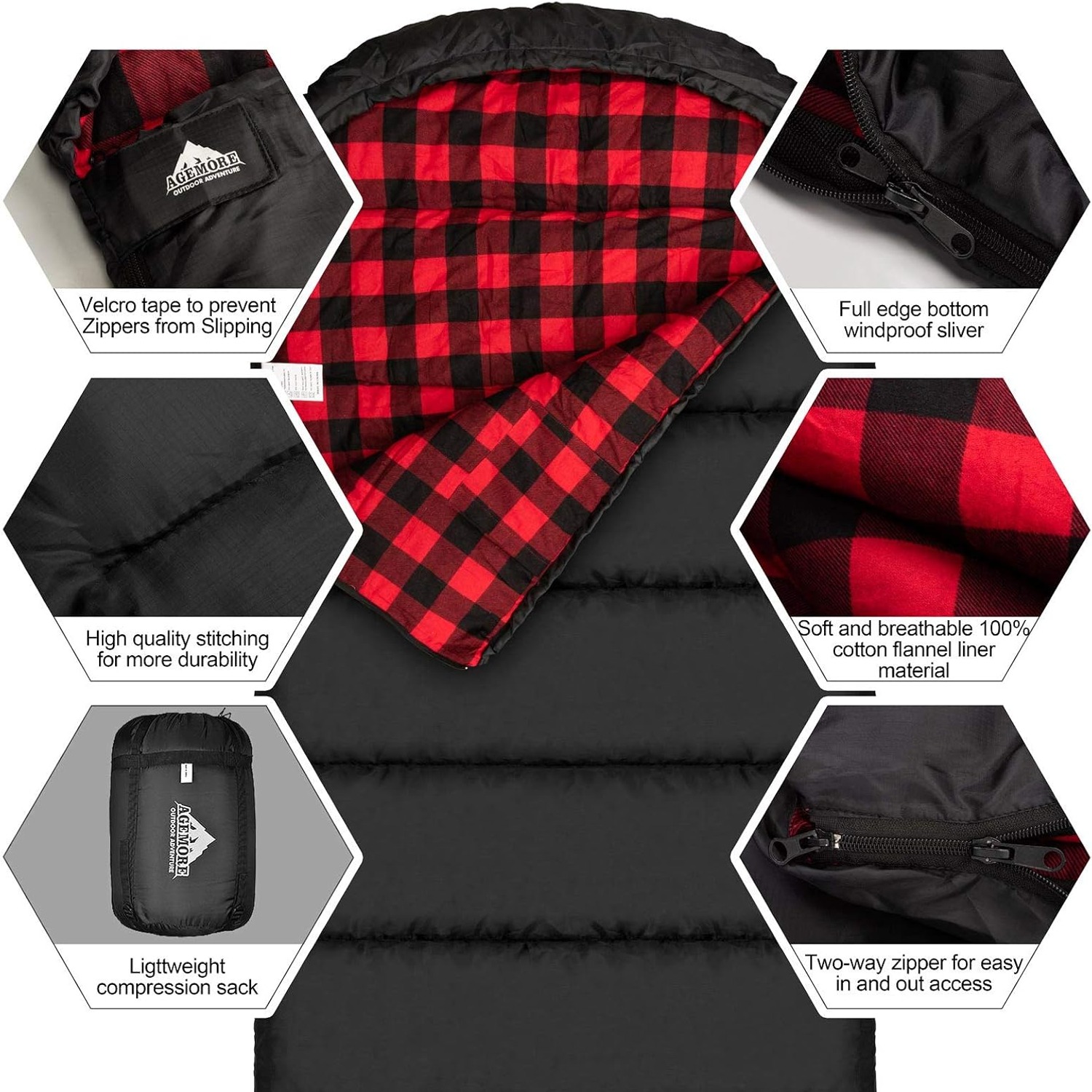
A cotton flannel sleeping bag solves that specific problem. Flannel is brushed cotton, the same cloth people put on their beds in winter. It feels warm on contact, it grips lightly instead of sliding, and it breathes against bare skin. You still want insulation underneath you and the right warmth for the night, but the first thirty seconds inside the bag feel completely different.
How this bag is built
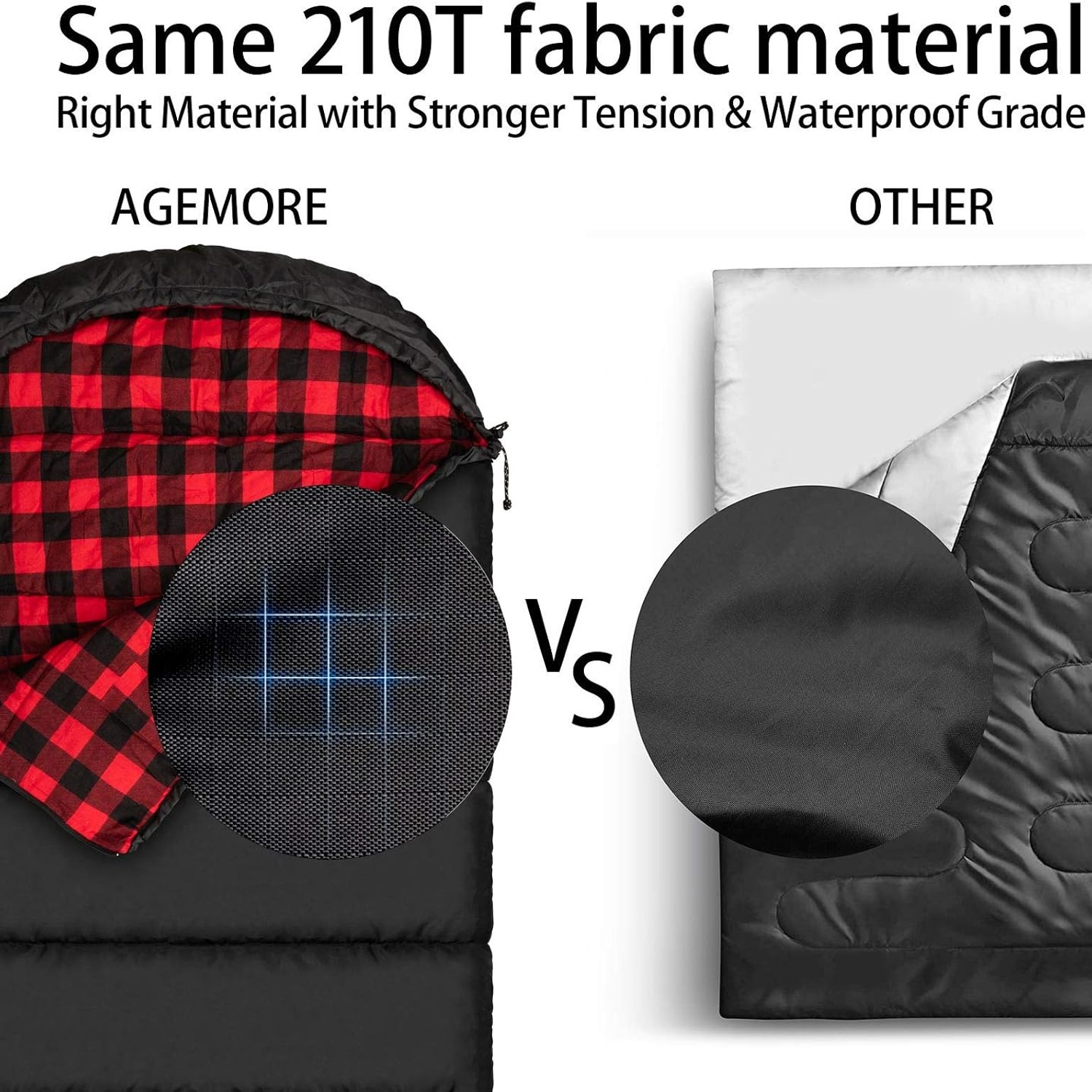
There are three layers doing the work here. The lining is cotton flannel. The fill is cotton. The shell is polyester.
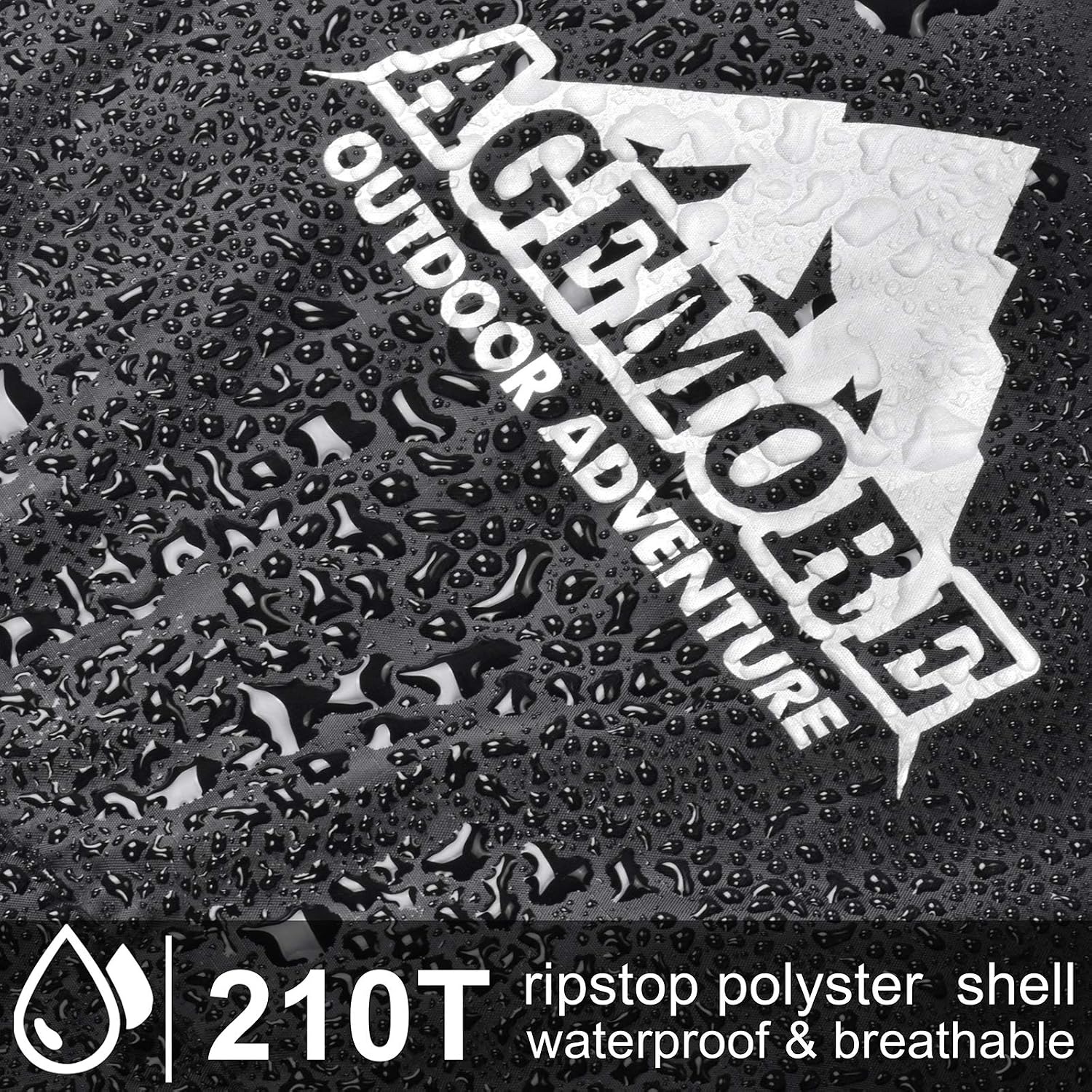
Each layer has a job. The flannel is the comfort layer, the part your skin touches. The cotton fill traps air between the layers, and trapped air is what actually keeps you warm. The polyester shell is the tough bit, the surface that rubs on tent floors, gets dragged across gravel and sits in the boot of the car with everything else.
Cotton fill has an honest trade-off worth understanding. It is heavier than down for the same warmth, and it takes longer to dry if it gets wet. In exchange, it is stable, comfortable and far less fussy than down about getting squashed, sat on or stored carelessly. For car camping, caravans, guest beds and short walks, that trade works out well. For a week-long alpine trek where every gram counts, it does not.
Shape and size
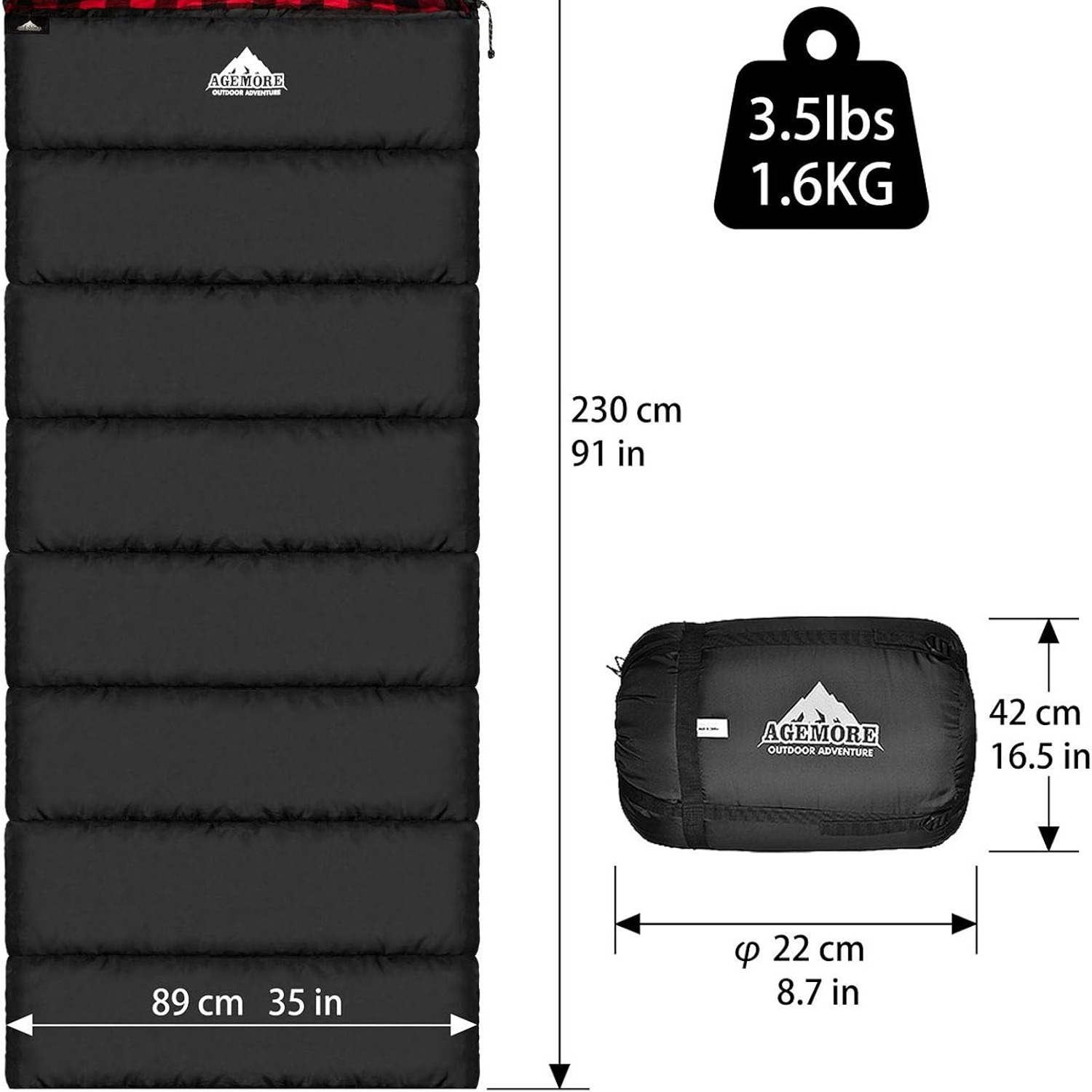
This is a rectangular bag in an extra large cut, listed at 2.31 metres long by 0.89 metres wide. The supplier gives a maximum height recommendation of six feet.
The shape is a bigger deal than most people realise. A mummy bag tapers towards the feet to cut weight and reduce the air space your body has to heat. It is efficient, and it is also restrictive. If you sleep on your side, bend a knee, or turn over three times a night, a mummy bag fights you the whole way.
A rectangle gives you room. You can roll, stretch, bring a knee up, and sleep the way you actually sleep at home. The cost is a bit of warmth efficiency, because there is more air inside to heat. On mild and moderate nights that barely registers. On cold nights, you close the hood and wear a layer.
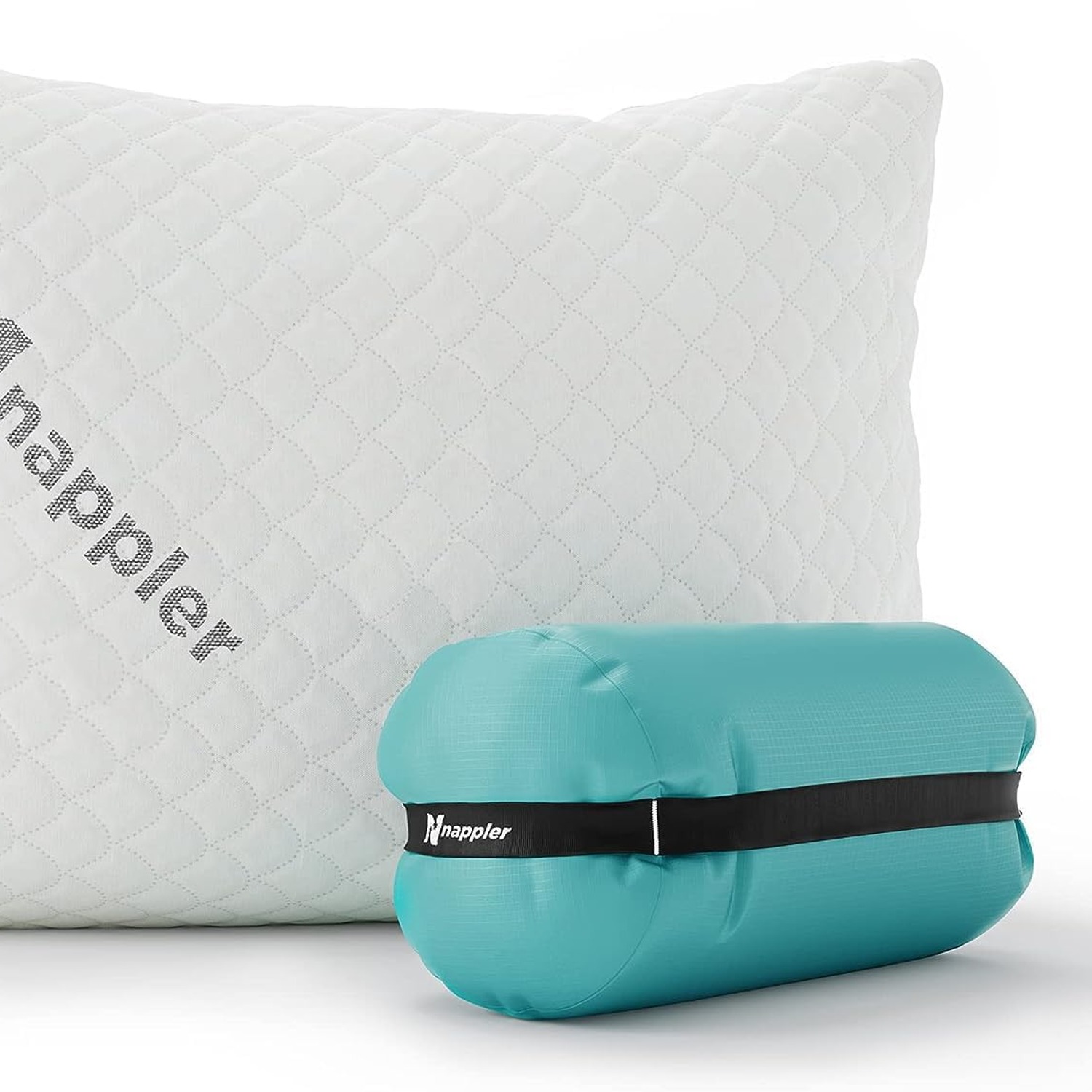
If you are close to six feet or above, measure before you buy. The bag's length leaves space at the head end for a pillow for most people, but very tall campers should check their own numbers against the 2.31 metres.
The zipper, and why it matters
The two-way zipper is one of those features you ignore in the product listing and then use constantly.
With a one-way zip, your only choices are closed or open. With two sliders, you can unzip from the foot end and let your feet out while your shoulders stay covered. That single move handles the common problem of a bag that is slightly too warm for the night. You can also open the top and sit up with the bag around your waist while you lace boots or drink coffee.
The zip also works from inside the bag, which sounds minor until you are lying in the dark trying to find a pull tab by feel.
One habit worth building. Feed the fabric away from the teeth with your free hand as you zip. Every sleeping bag zip in the world snags on the lining, and a bit of care here saves you from the slow unpicking job at midnight.
Who it suits
This bag is a good match for a few kinds of people.
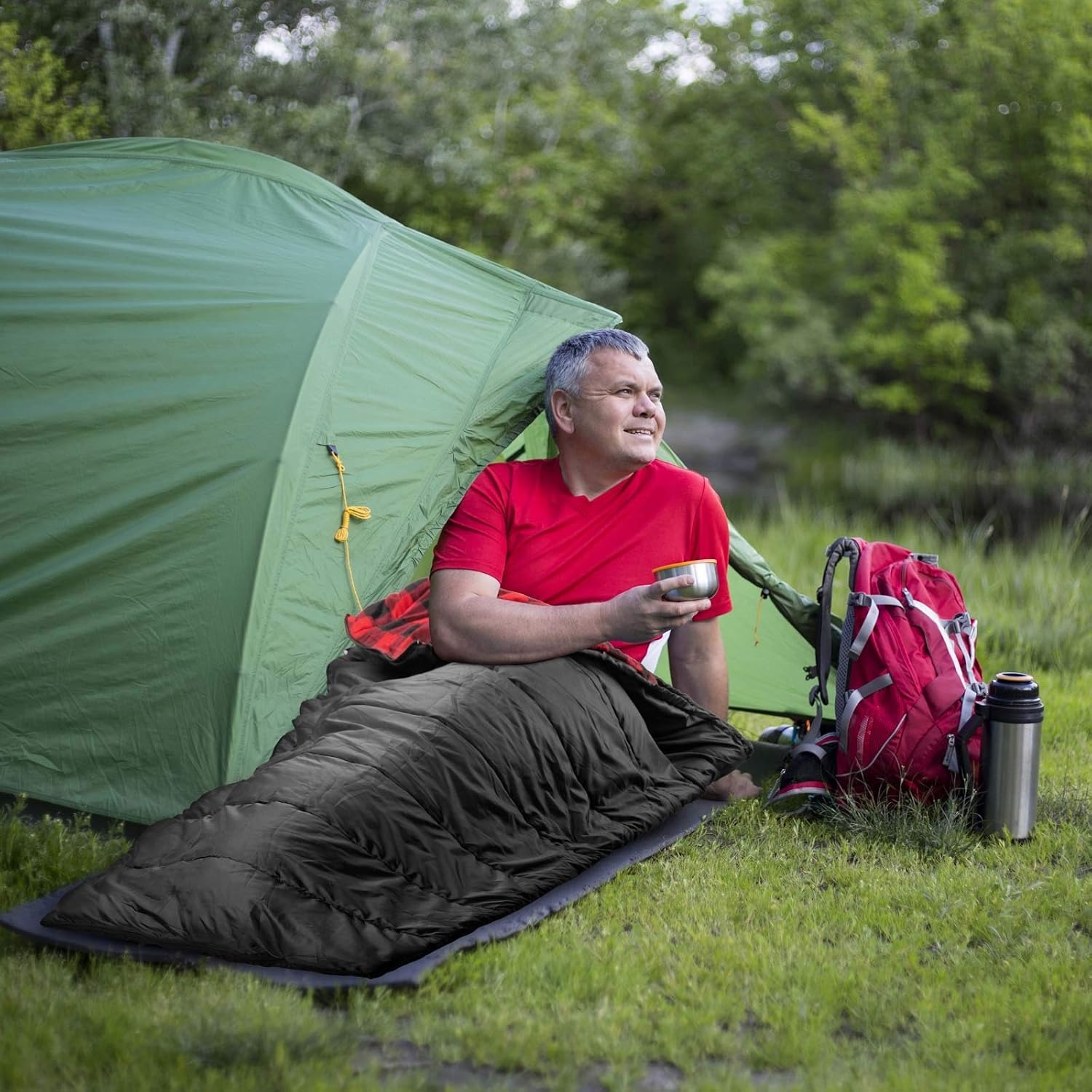
Car campers and caravanners get the most out of it, because comfort beats weight when you are not carrying the gear on your back. The flannel lining and roomy cut make the bag feel closer to a bed than a survival item.
Festival and event campers like it for the same reason, plus it is easy to throw in the car and easy to shake out afterwards.
People who host guests find a second use for it. A good sleeping bag on a spare mattress or a sofa is a tidy solution for sleepovers and visiting family, and a flannel lining makes that far nicer than a synthetic bag would.
Short-trip hikers can carry it. At 1.59 kg it is not a lightweight specialist piece, but for an overnight walk where you are sharing a tent and a stove, it is perfectly reasonable.
Deep winter mountaineers should look elsewhere. The supplier describes this as all seasons with a 3-4 season note, and the temperature rating is given only as "to 40 degrees" without a stated scale. Treat that as a general guide, not a guarantee, and plan your layers accordingly.
Getting the warmth right
Most people who end up cold in a sleeping bag blame the bag. Usually the real problem is underneath them.
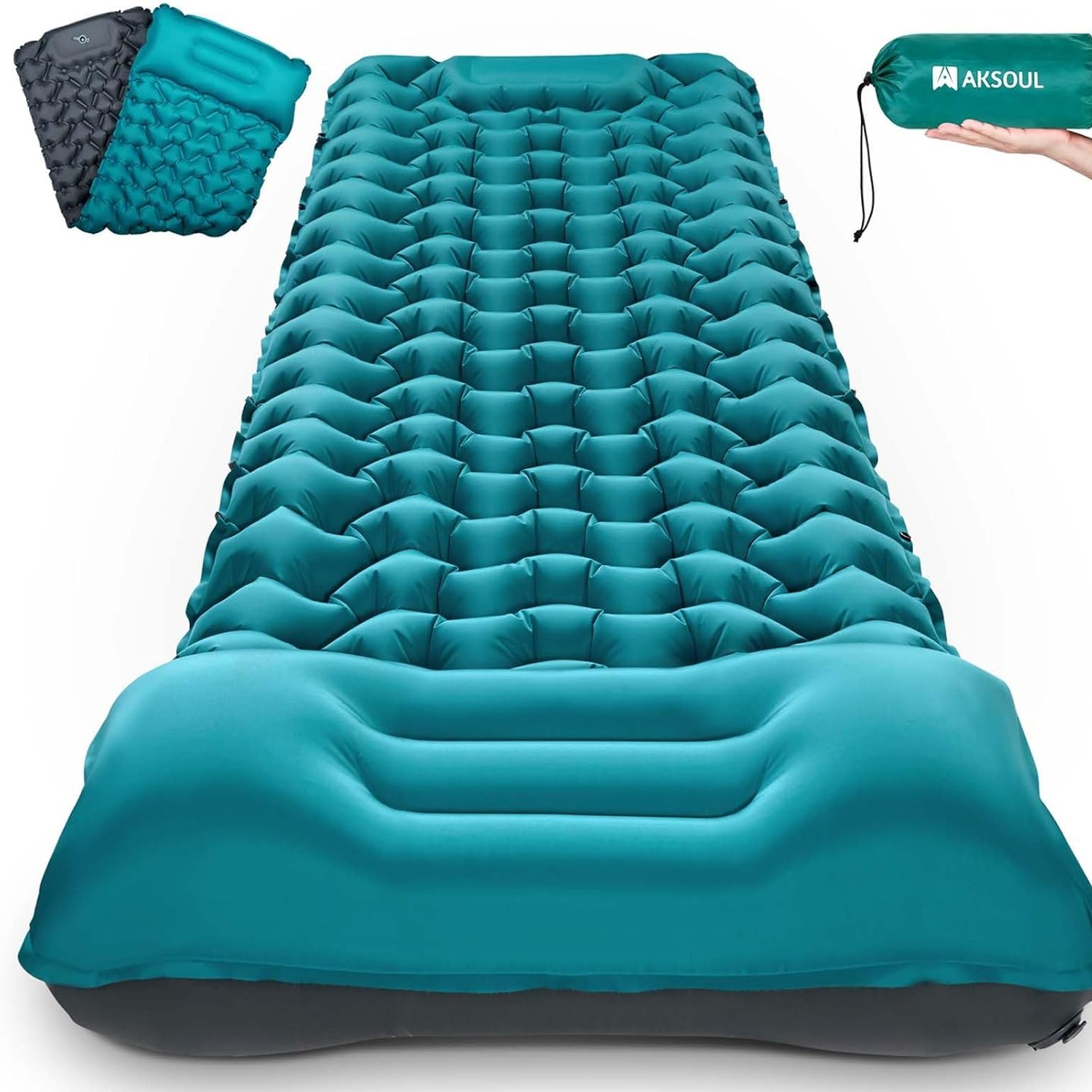
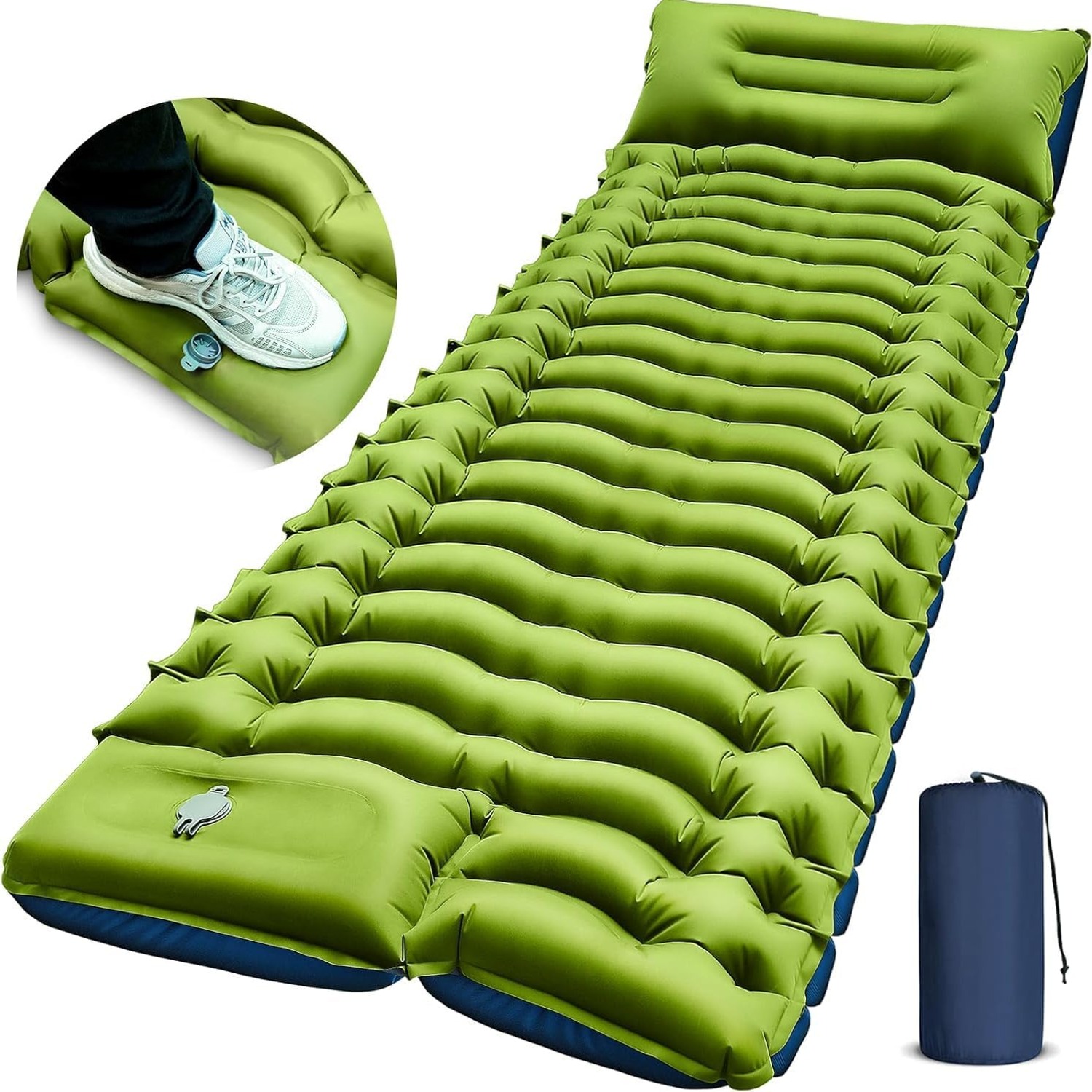
The ground pulls heat out of you fast. A bag squashed flat under your body weight provides almost no insulation at that point, because the fill is compressed and the air is gone. That is what a sleeping mat is for. A closed-cell foam mat or an insulated inflatable mat does as much for your warmth as the bag itself on a cold night.
After that, three simple adjustments cover most situations. Wear dry clothes to bed, because damp clothes from the day's walk will chill you for hours. Use the hood when the air is cold, since a lot of heat escapes from your head. Add a liner, cotton or silk, if you want a bit more warmth and an easier wash than cleaning the whole bag.
Eat something before bed too. Your body needs fuel to produce heat overnight, and an empty stomach at nine o'clock often becomes a cold two in the morning.
Looking after it
Cotton rewards a bit of attention and punishes neglect.
Air the bag fully before it goes into storage. Even a bag that feels dry can hold moisture from your breath and body overnight, and a damp cotton bag in a sealed sack develops a smell you will not enjoy on the next trip. Drape it over a chair, a tent line or a fence in the sun for a few hours.
Spot clean small marks with mild detergent and a damp cloth rather than washing the whole bag every time. For a full wash, the sewn-in care label is the authority. Use a gentle cycle and mild detergent, and allow plenty of drying time, because cotton fill holds water.
Store it loose, not compressed. The compression sack is for transport, not for the cupboard. Months under compression flatten the fill and cost you warmth. Hang it, or keep it in a large breathable bag or an old pillowcase.
The short version
If you want a sleeping bag that feels like bedding rather than equipment, this is the style to look at. The cotton flannel lining is the headline feature, and it genuinely changes how the bag feels in the first few minutes. The extra large rectangular cut gives you room to sleep normally. The two-way zipper and hood give you control over temperature through the night.
The honest limits are weight and drying time. At 1.59 kg it is heavier than a packable down bag, and cotton takes longer to dry after damp weather. If your trips are mostly car camping, caravan stays, festivals, guest beds and short walks, those limits will not bother you. If you are chasing the lightest possible pack for long hikes, a different bag suits you better.
Match it with a decent sleeping mat, air it out properly, store it loose, and it will see you through a lot of nights.