

The complete guide
How to Choose Tent Pegs That Actually Hold
The pegs that come in the bag are the weak link
Almost every tent sold comes with a small bundle of thin pegs. They cost the manufacturer very little, they keep the shipping weight down, and on a soft campground lawn they do the job. The trouble starts the first time you pitch somewhere real. A dry paddock in late summer. A gravel pad at a caravan park. A clay bank that has not seen rain for a month. You tap the peg, it goes in two centimetres, and on the third hit it folds over like a paperclip.
Now you are kneeling in the dirt with a bent peg, a flapping corner, and a storm front showing up on your phone. It is one of the most common and most avoidable camping problems there is.
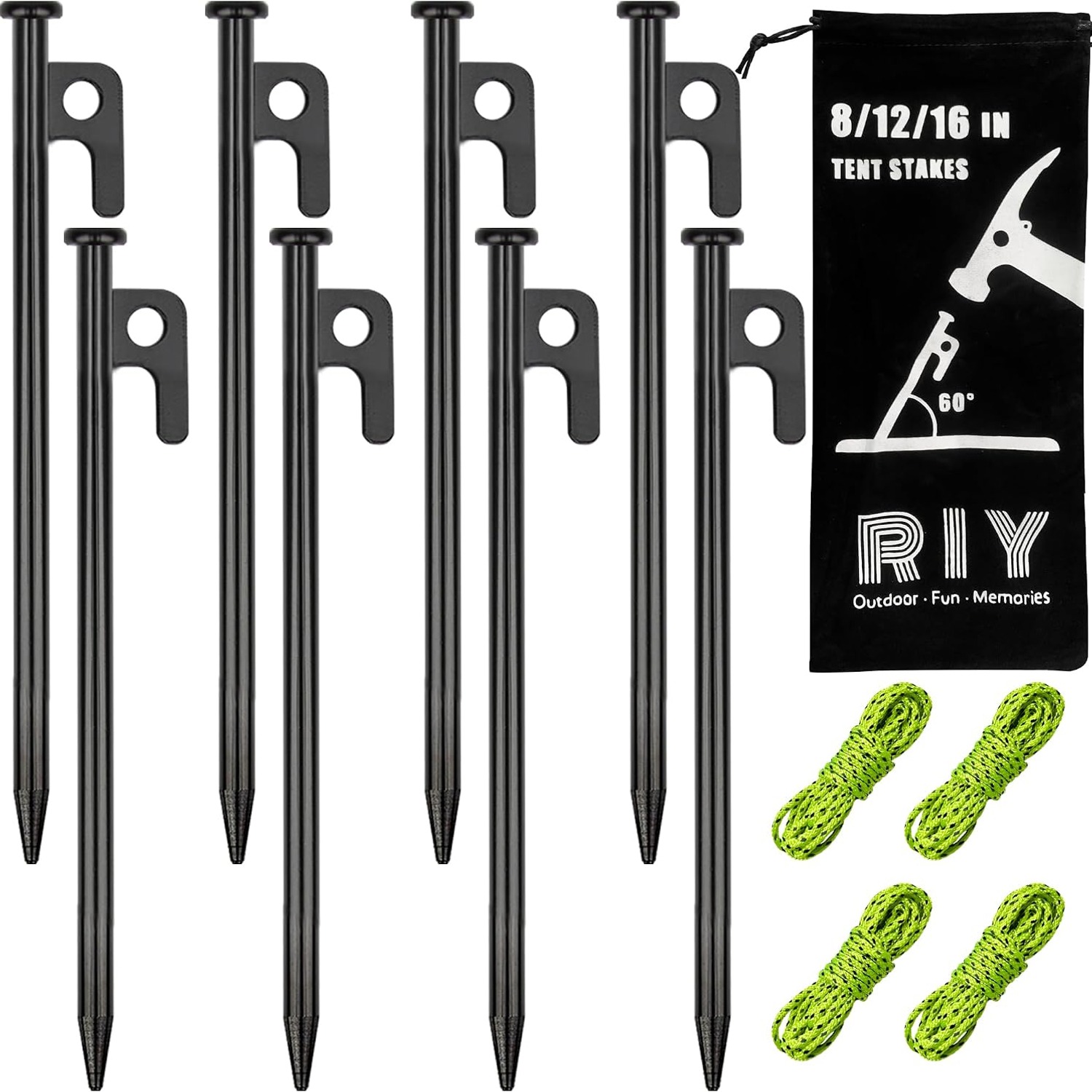
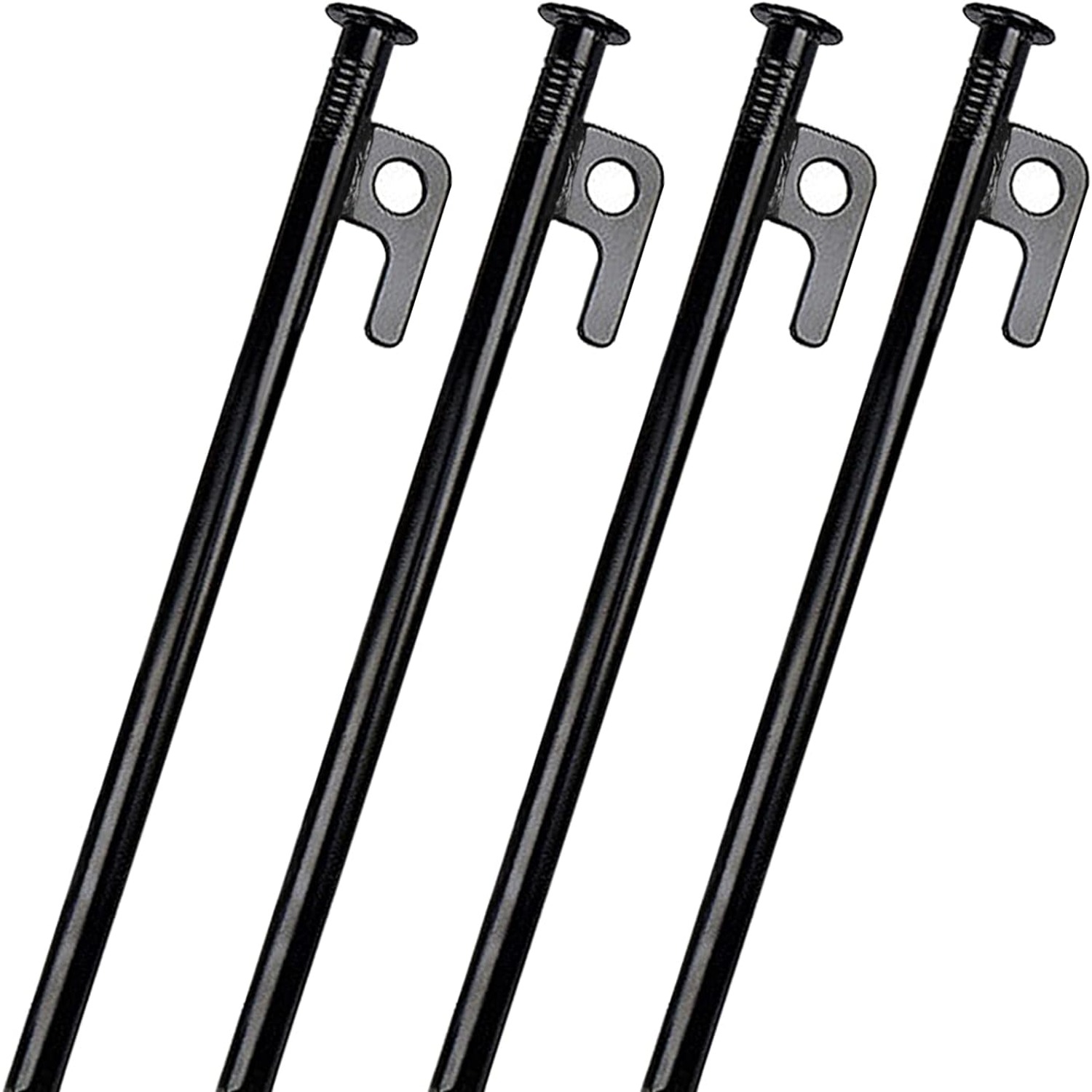
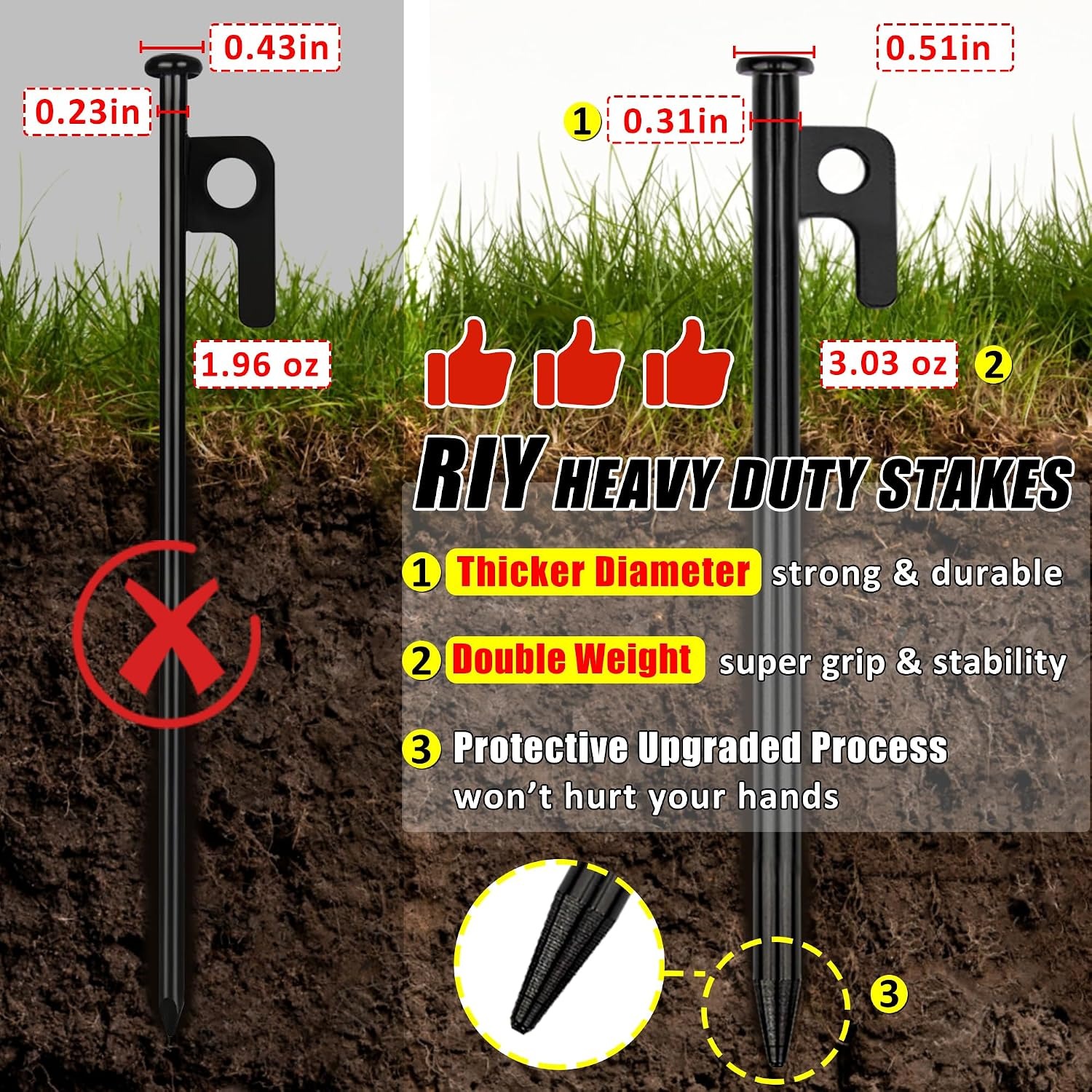
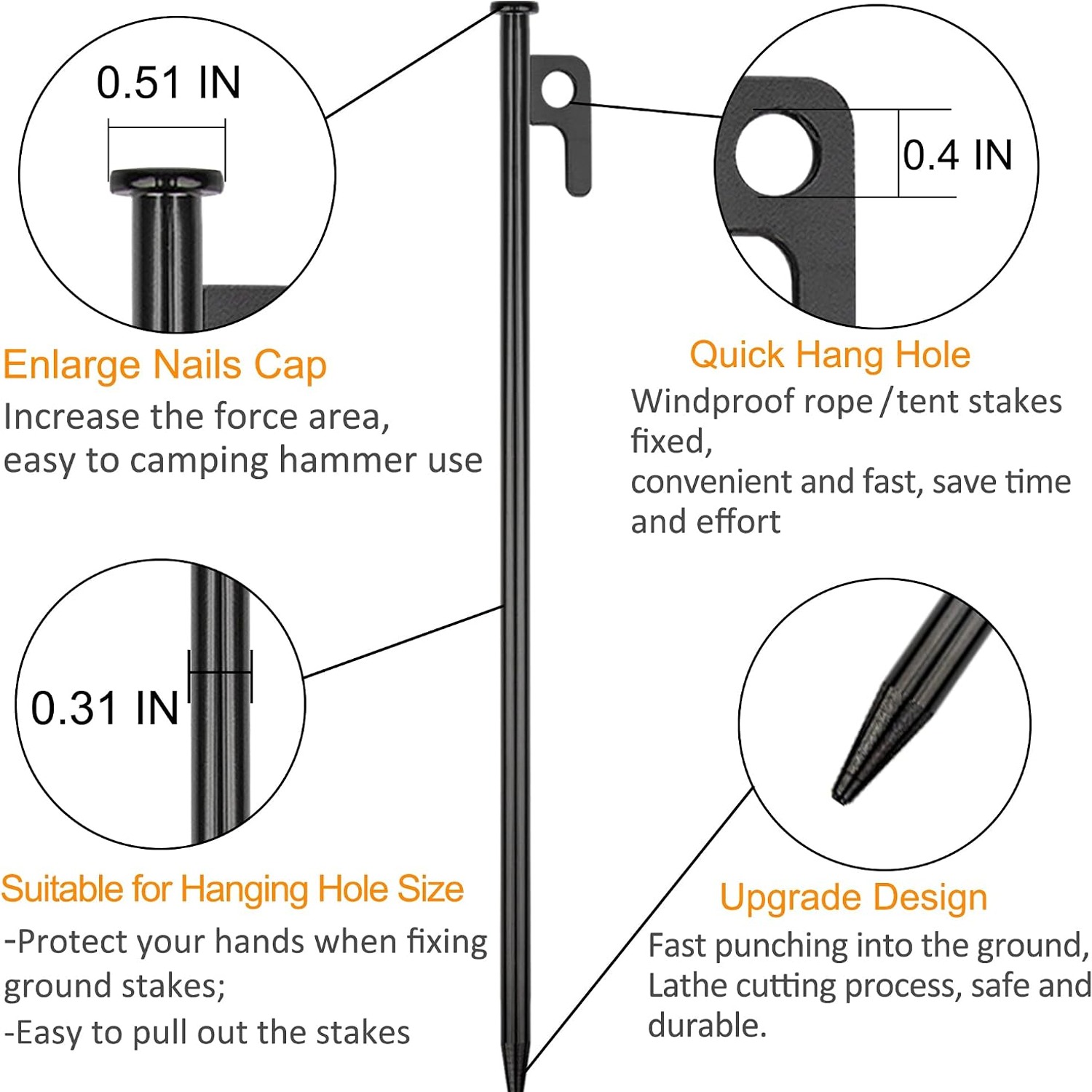
A set of heavy duty tent pegs solves it for less than the cost of a night at a campsite. These eight forged steel stakes are 20.3cm long and 1.5cm wide, with a broad head to hit and a tapered tip to drive. They are built on the basic idea that a peg should be stronger than the ground you are putting it into.
What makes a peg hold
Holding power comes down to three things. Depth, angle, and surface area against the soil.
Depth matters most. A peg that only goes in half way has far less soil above the shaft to resist being pulled out. At 20.3cm, these give you enough length that even with a few centimetres left proud, there is plenty of steel in the ground. That length is a sweet spot for general camping. Shorter pegs lose grip in soft soil. Much longer pegs become hard work to drive and carry.
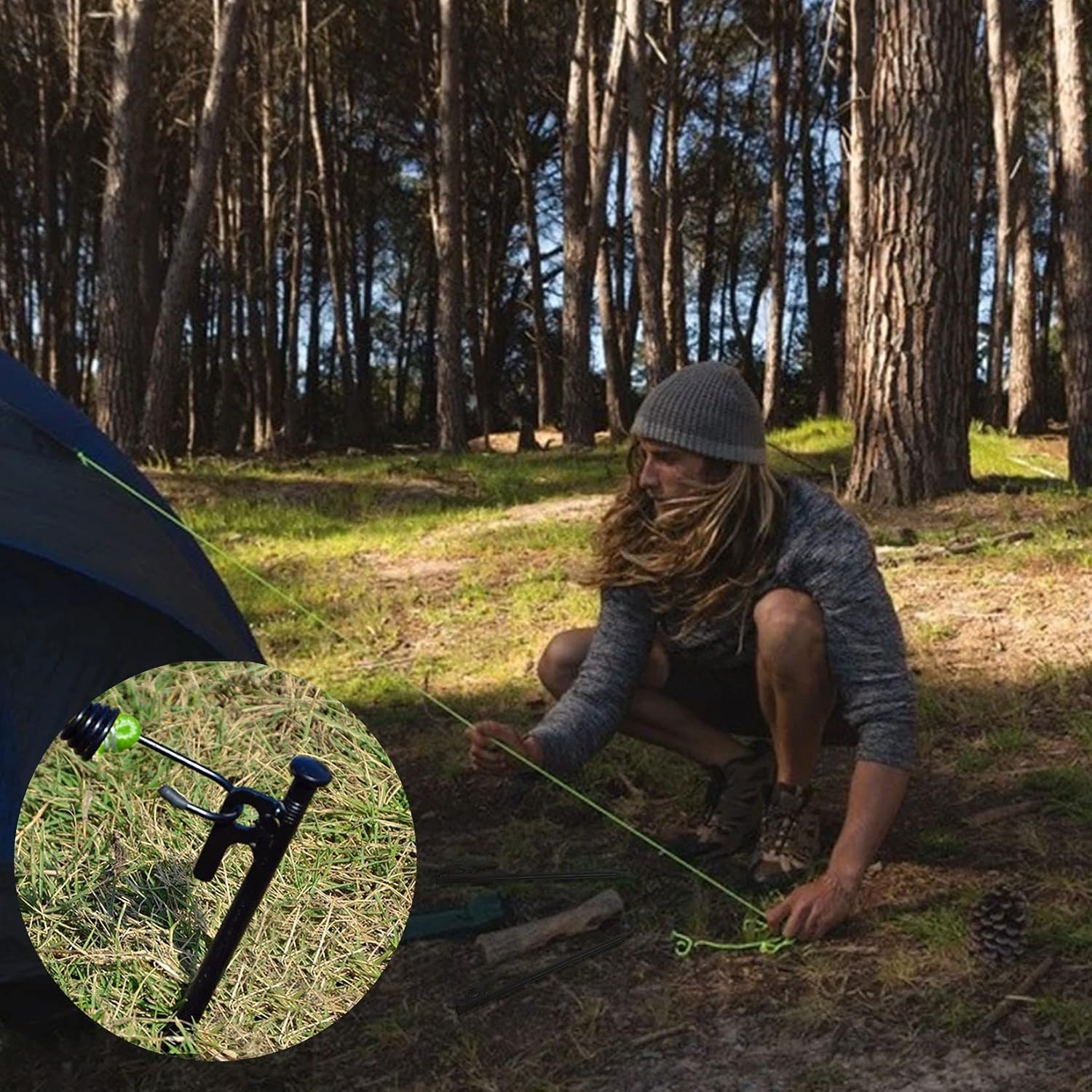
Angle is the part most people get wrong. A peg driven straight down is working against the pull of the guy line at a bad angle. Lean the peg back at roughly 45 degrees, tilting away from whatever is pulling on it, and the load presses the peg into the soil rather than levering it out. Keep the head low so the line has less purchase.
Surface area is why these stakes are 1.5cm across rather than a thin rod. A wider shaft has more soil contact, and the broad head sits flat on the surface where it can spread load across fabric or matting.
Why forged steel is different
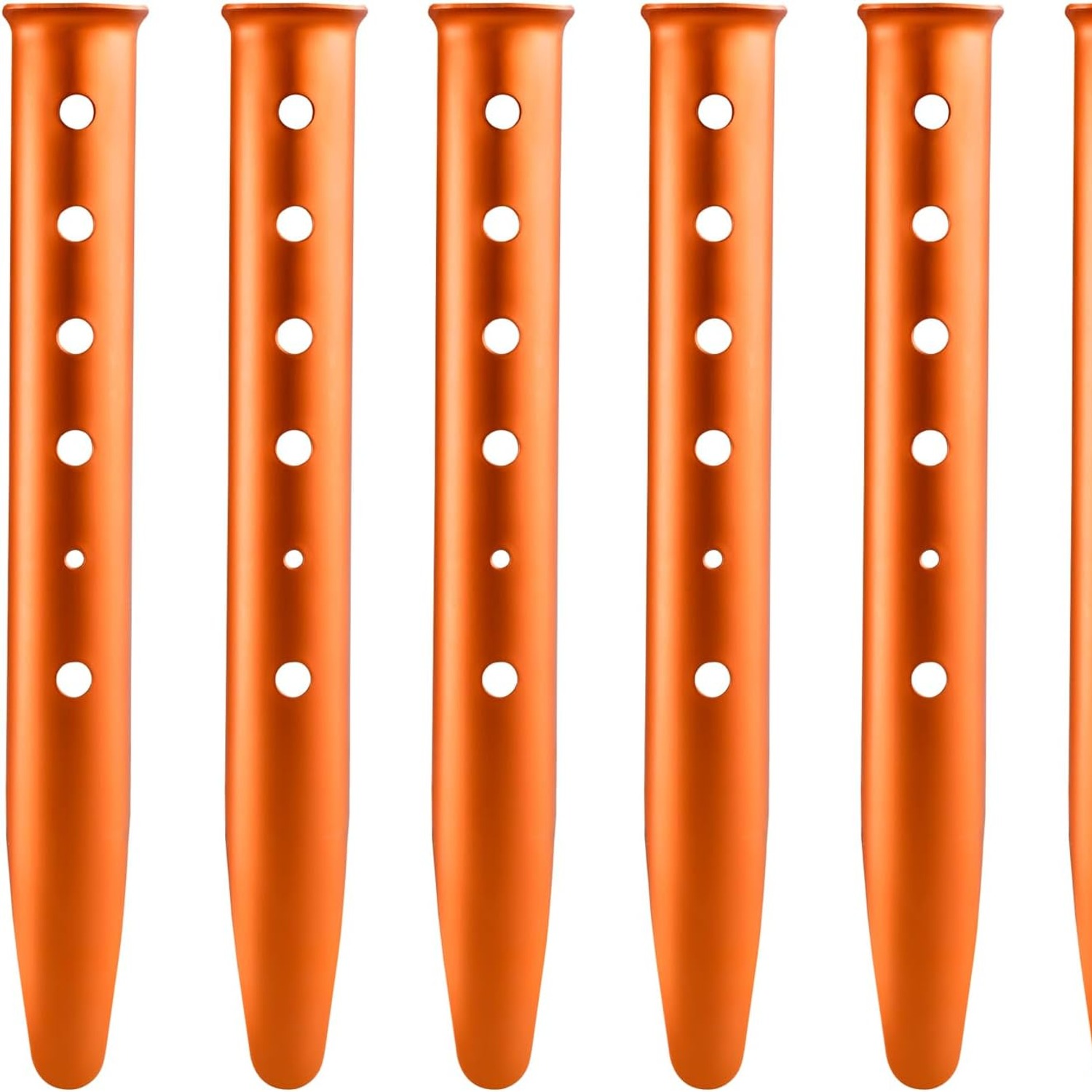
There are three main peg materials you will meet. Thin steel wire pegs are the cheap ones in the tent bag. They are light and they bend. Aluminium pegs are popular with hikers because they weigh almost nothing, but soft alloy can bend in hard ground too. Forged steel sits at the tough end. The forging process compacts the metal, which is why a solid forged peg takes a hammer blow instead of absorbing it by deforming.
The trade is weight. This set weighs 762 grams for eight pegs. If you walk your gear in on your back, that matters. If you drive to your campsite, it does not, and the weight actually helps you. Heavier steel transfers more of your hammer swing into the ground rather than bouncing or flexing.
So the honest answer on who these suit is simple. Car campers, caravanners, festival goers, market stall holders, people with gazebos and shade sails, and anyone doing garden work that needs something pinned down. If you are counting grams for a multi day hike, look at the best lightweight alloy stakes instead.
Matching the peg to the ground
Firm soil and short grass is the easy case. Almost anything works, and these go in with a few taps.
Hard, dry or stony ground is where the best tent pegs for hard ground earn their money. Here the tip does the work. The point lets the peg wedge past small stones rather than stopping on them. If you hit something that will not budge after a few hits, do not keep swinging. Pull the peg, move ten centimetres, and try again. There is almost always a path down.
Loose sand and soft mud are the tricky ones, and no peg fully solves them. In those conditions, go longer, go shallower in angle, and spread the load. Burying the peg sideways as a deadman anchor, with the guy line tied to its middle, holds far better than driving it down. A spare peg laid flat in a trench and covered over will hold a tarp through weather that would pull a vertical peg clean out.
Snow and frozen ground behave a bit like sand. The deadman approach again beats driving down.
Driving and pulling without the drama
Use a mallet or a small hammer. A rubber or dead blow mallet is kinder on the peg head and on your ears. A claw hammer works and gives you a built in puller, which is handy.
Line the peg up, give it one light tap to set it, check the angle, then drive it with steady medium blows. Hammering as hard as you can is how tips get rolled over and how people miss and hit their hand. Keep your free hand well clear once the peg stands on its own.
Pulling out is where cheap pegs get lost and good ones get bent. Never pull on the guy line. Hook the head with a claw, a puller, or a loop of cord, rock the peg gently to break the soil seal, then lift straight up. If the ground has set hard around it, a little water poured at the base softens things in a minute or two.
Beyond the campsite
The same pegs do plenty of work at home. Pinning landscape fabric and weed matting is probably the most common job. Drive them through the overlaps every half metre or so and the sheet will not lift in wind.
They also hold garden edging, anchor netting over a vegetable patch, pin down a dog run or poultry fence skirt, support small plants and young trees, and stake out string lines for a building job. Market stall holders use them to tie down canopy legs. If you have ever wished for something stronger than a tent peg and smaller than a star picket, this is the gap these fill.
Looking after them
Steel pegs need almost nothing, but ten seconds of care doubles their life. Knock the soil off before they go in the bag. Let them dry properly rather than sealing them in a wet stuff sack for a month. Keep them together in a pouch, a box, or an old sock so the points do not find your tent fly or your fingers.
If a tip gets blunt after a lot of stony ground, a metal file brings the point back quickly. If a peg takes a bad knock, tap it flat on a hard surface. Mark the heads with bright paint or a loop of coloured cord, because black pegs in long grass are gone forever.
The short version
Thin tent pegs are the cheapest part of your setup and the part most likely to fail when the weather turns. These eight forged steel stakes are 20.3cm long, 1.5cm wide, and weigh 762 grams as a set. The wide head takes a hammer and gives you something to hook on the way out. The pointed tip gets into ground that stops softer pegs.
Drive them at 45 degrees leaning away from the pull, keep the head low, and carry a mallet. Use eight for a small tent, sixteen for a family setup with a tarp. Keep them dry between trips and they will outlast several tents.