Camping Company
Company
Shop By Category
T&Cs
Shop Online
  • Clear materials and product specifications
  • Free tracked NZ-wide delivery over $175
  • 14-day returns

Survival Tarp | Reflective Thermal Tarp | Insulated Camping Tarp

XL Insulated Reflective Survival Tarp

$274.99 $329.99 Save $55
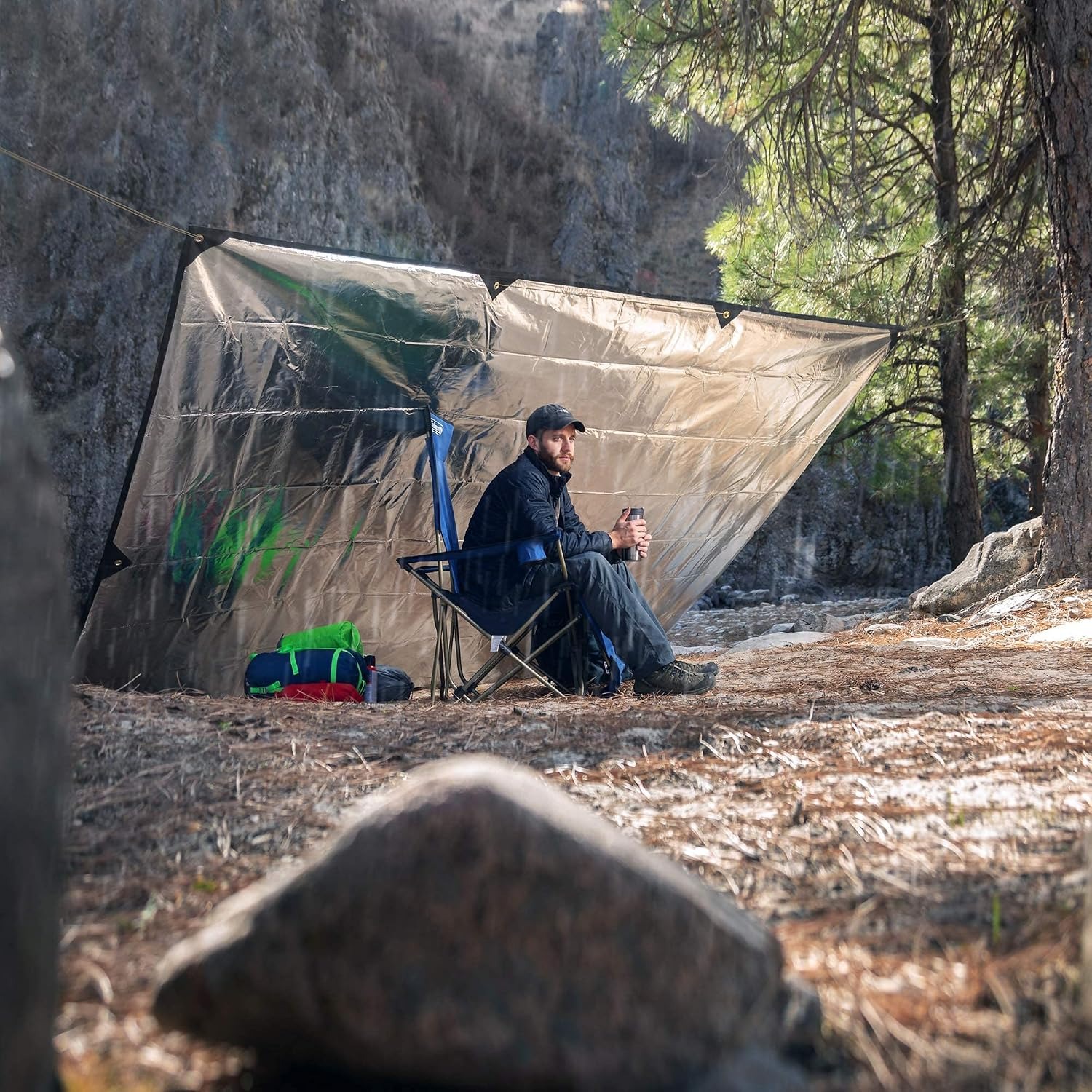
  • Four Jobs In One
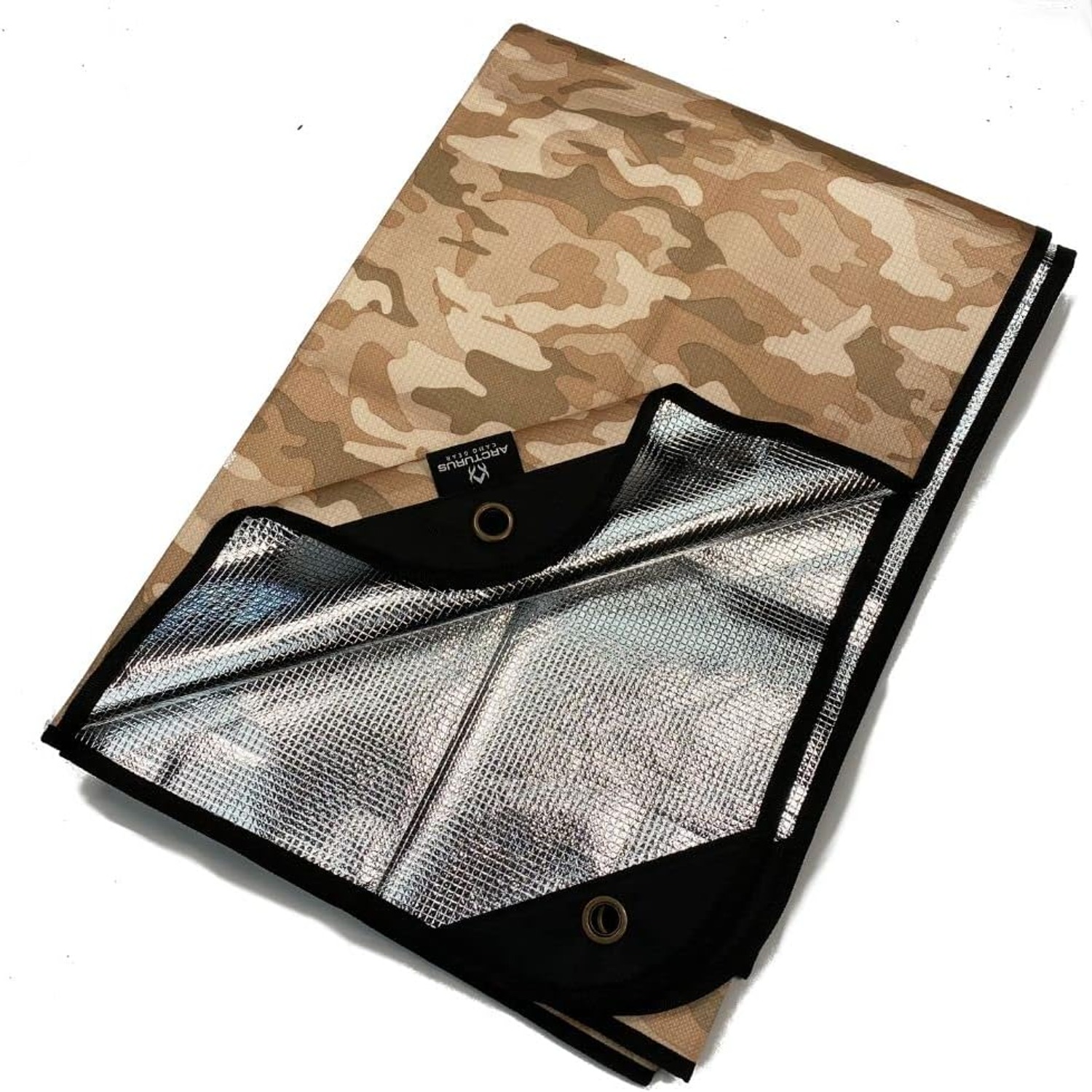
  • Mylar Reflective Face
  • Waterproof Outer
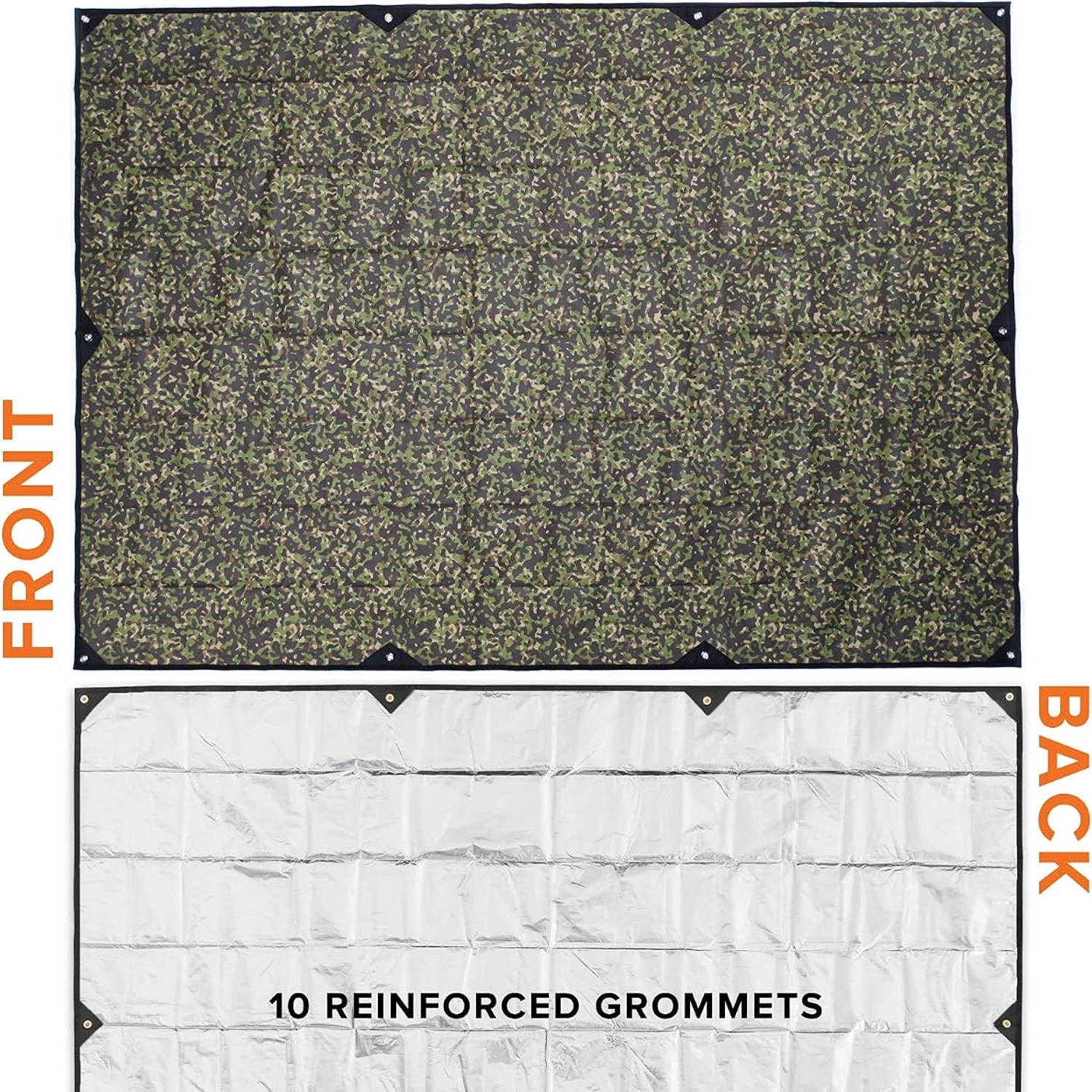
  • 10 Reinforced Grommets

Price: $274.99 $329.99

  • Free tracked NZ-wide delivery on orders $175+, otherwise a flat $20
  • Pay by card or PayPal, handled by the payment provider
  • 14 days to change your mind, plus your statutory rights
Product specifications
BrandArcturus
Model NumberNC-AWSB-XL-WC
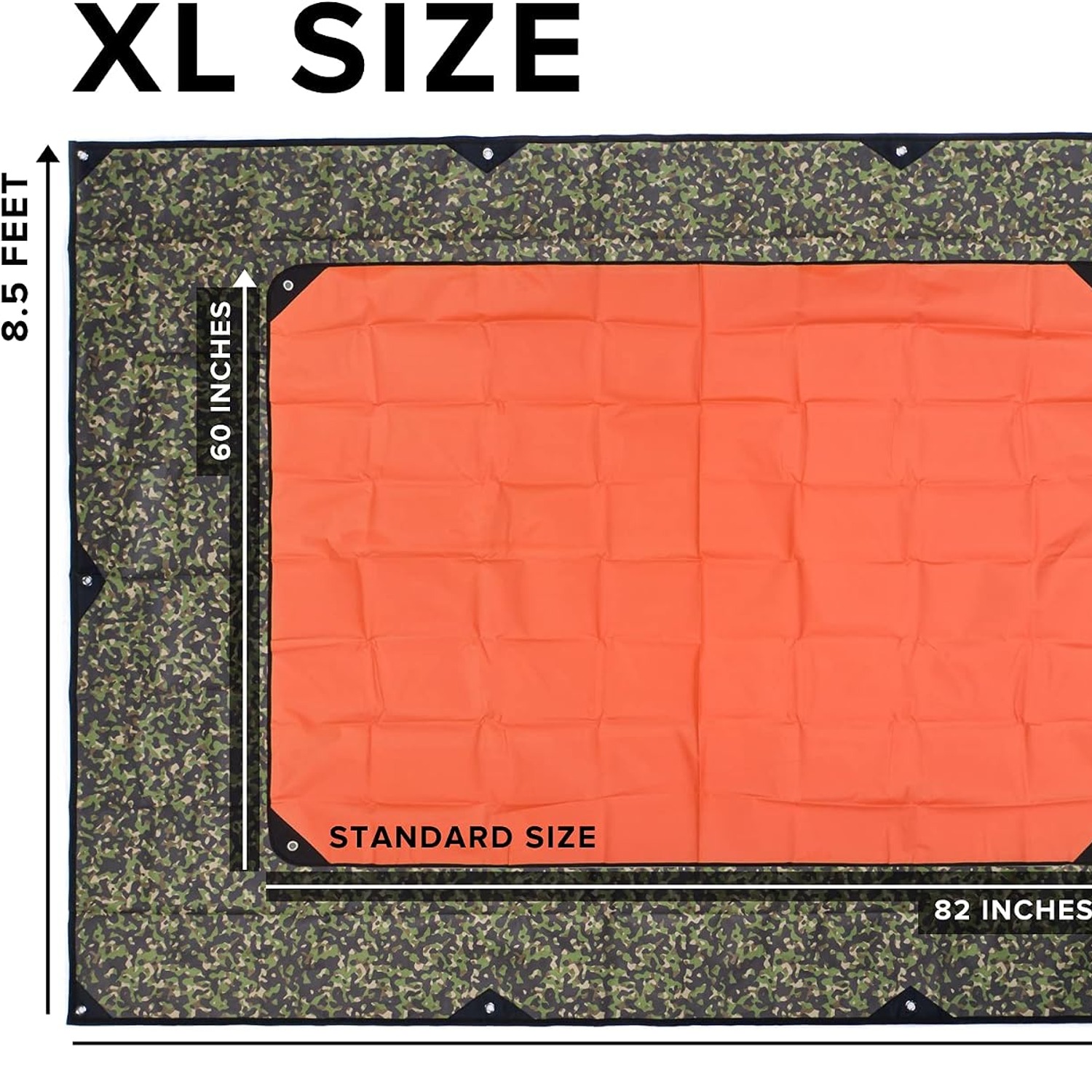
SizeX Large
Dimensions2.59 m x 1.52 m
Item Weight1.63 kg (3.6 lb)
MaterialPolypropylene, aluminium, nylon
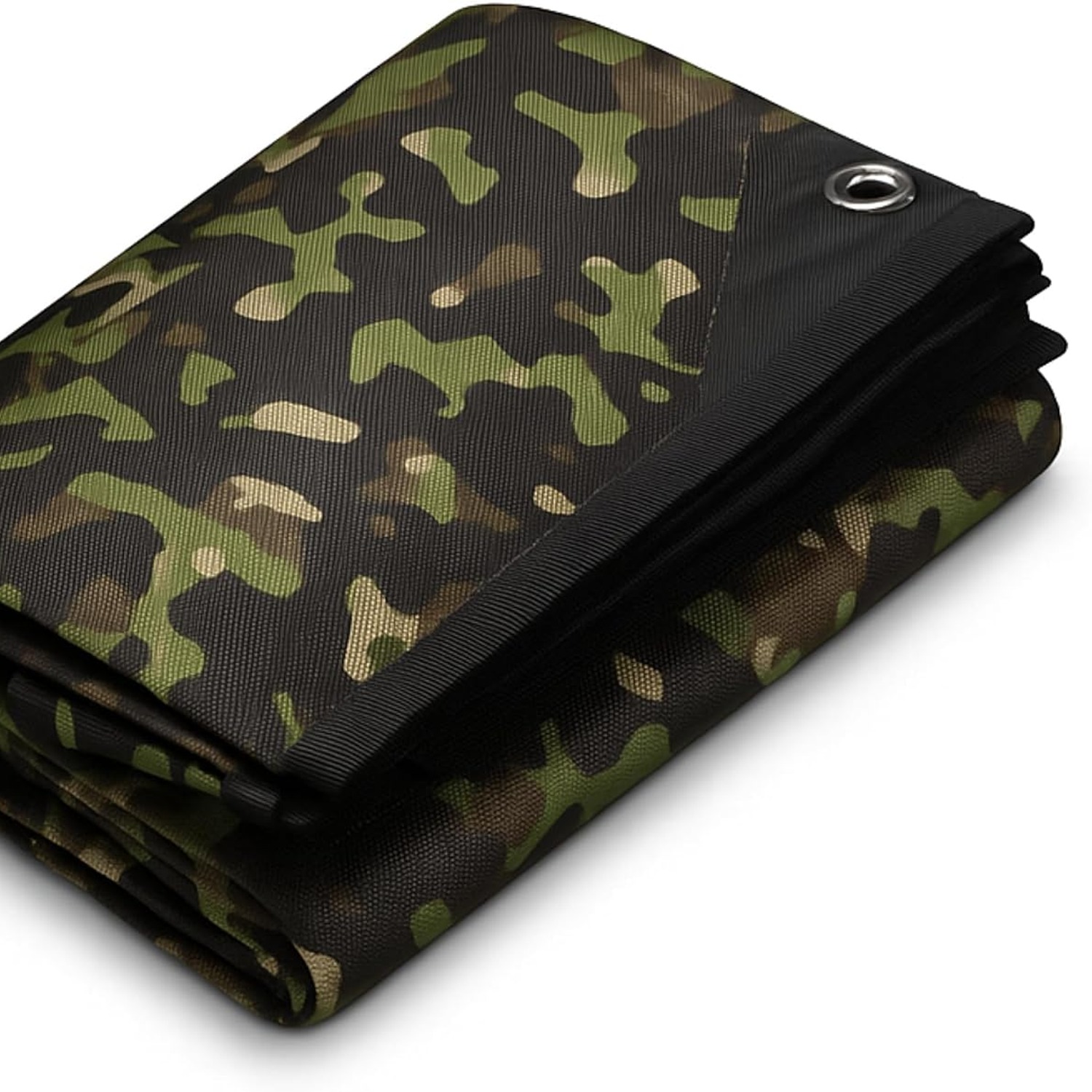
ColourWoodland Camo
Water ResistanceWaterproof
UV ProtectionYes
Tie-Down Grommets10 reinforced
Included ComponentsCarry bag
Number Of Packs1
Recommended UsesBackpacking, boating, camping, emergency preparedness, hiking, hunting
UPC855142008656
Weight1.63 kg
Shipping & returns

Tracked delivery anywhere in New Zealand. It is free on orders of $175 or more, and a flat $20 below that.

If it is not right for you, send it back within 14 days of delivery in resaleable condition and we refund the price you paid, including standard delivery. That is a voluntary policy we offer on top of your legal rights. You cover the cost of returning it unless the item is faulty.

If it arrives faulty, damaged or not as described, we put it right at no cost to you under the Consumer Guarantees Act 1993 and the Fair Trading Act 1986, return postage included.

Shipping details · Refunds and returns

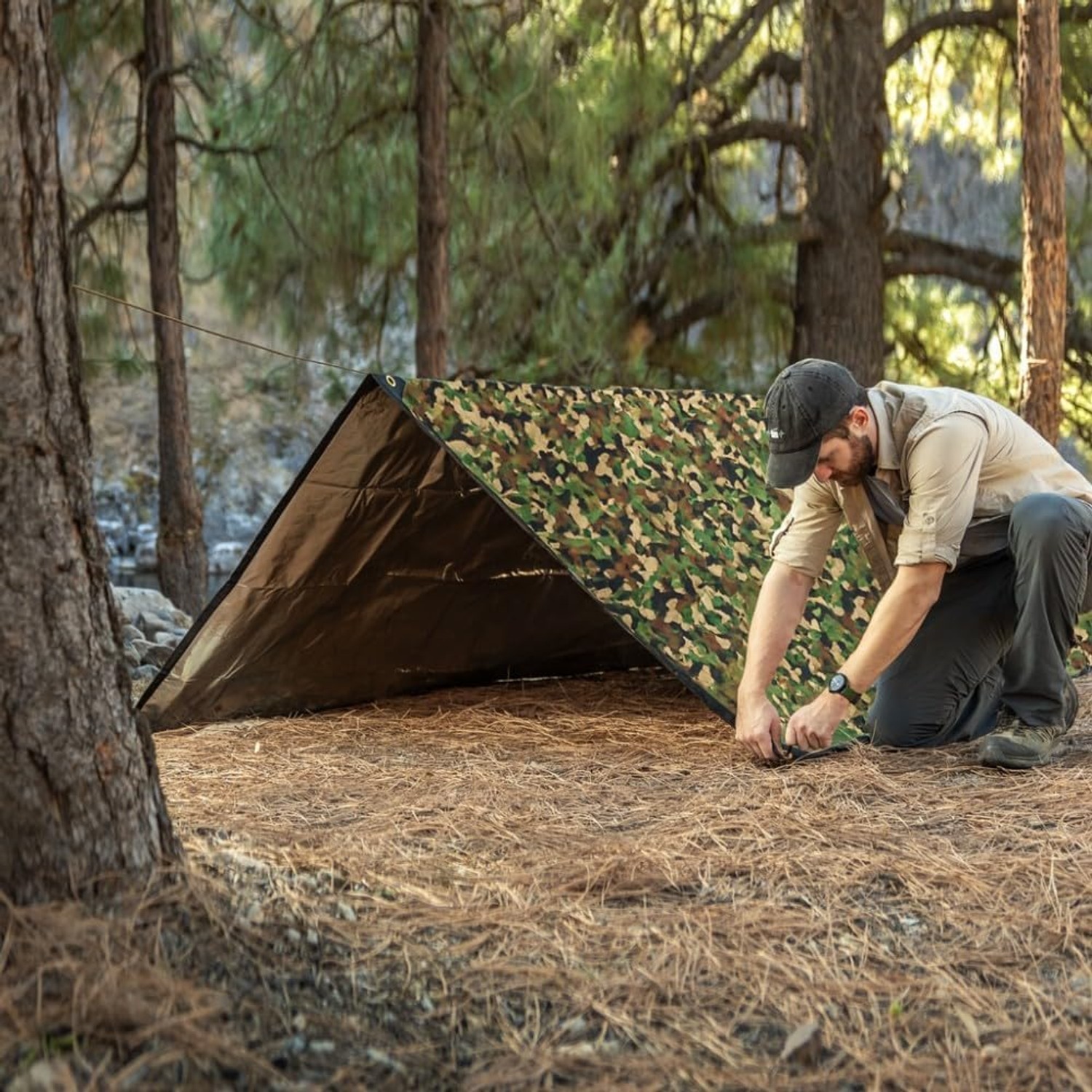
Four Jobs In OneWorks as a tarp shelter, ground sheet, cover or blanket.
Mylar Reflective FaceBounces radiant heat back toward you or away from gear.
Waterproof OuterTwo layers of polypropylene keep ground damp and rain out.
10 Reinforced GrommetsClaw grommets on nylon patches for quick, secure rigging.

One survival tarp that works as a shelter, a ground sheet and a reflective thermal blanket when the weather turns.

A waterproof polypropylene outer, a Mylar reflective inner face and 10 reinforced tie-down grommets, packed into a 1.63 kg bundle with its own carry bag.

An extra large 2.59 m x 1.52 m survival tarp that covers two adults lying down or rigs into a generous lean-to shelter.

The Mylar reflective side sends radiant heat back at you around a fire, or faces outward to push sun off a tent or a load of gear.

A twin-layer polypropylene outer gives you a waterproof barrier, so it works just as well as a ground sheet on wet soil.

Ten reinforced claw-style grommets sit on nylon patches, letting you peg, hang or guy it out without tearing the fabric.

The whole thing weighs 1.63 kg and packs into the included carry bag, so it lives happily in a boot, a boat locker or a pack.

XL Insulated Reflective Survival Tarp

Most people buy a tarp for one job and then find it doing five. This one is built with that in mind. At 2.59 m by 1.52 m it is big enough to sleep two adults on, to rig as a lean-to over a hammock, or to throw over a quad bike and a stack of gear when the sky goes grey. It is the extra large version, so you get working room rather than the fiddly coverage a pocket emergency sheet gives you.

XL Insulated Reflective Survival Tarp

The construction is what sets it apart from a plain poly tarp. One face is Mylar, the aluminised reflective material used in emergency blankets. Turn it inward and it reflects radiant heat back toward a body or a campfire. Turn it outward and it does the opposite, pushing sun and glare off whatever is under it. In a bad situation that same shiny face is also a signalling surface, visible from a long way off in daylight.

XL Insulated Reflective Survival Tarp

The other face is two layers of polypropylene. That is the hard-wearing, waterproof side, the one that goes against wet grass, sand, gravel or a boat deck. Water does not wick through it, which is the difference between a dry night and a miserable one. The listing also notes ultraviolet light protection, so the material stands up to being left out in the sun rather than going brittle after a weekend.

XL Insulated Reflective Survival Tarp

Rigging is handled by 10 reinforced tie-down grommets. These are claw-style fittings that grip onto nylon reinforcement patches rather than simply being punched through the fabric, which is where cheap tarps usually fail first. You can peg the corners, run paracord through the edge points, hang it between two trees, or stake it flat as a ground sheet. Ten points gives you enough options to pitch it tight in wind instead of letting it flap itself to pieces.

XL Insulated Reflective Survival Tarp

It weighs 1.63 kg and comes with a carry bag, so it packs down and stays packed down. That makes it realistic to keep in the boot of a car, under a boat seat, in a ute toolbox or strapped to the outside of a pack. The Woodland Camo colour keeps it low key in the bush, and the reflective side stays hidden until you actually want to be seen.

Not sure yet? That is fine.

Camping gear has to suit your trip and your climate, and you cannot always judge that from a photograph. If it is not right for you, send it back within 14 days of delivery in resaleable condition and we refund the price you paid, including standard delivery. That is a voluntary policy we offer on top of your legal rights.

If it turns up faulty, damaged or not as described, that is on us. The Consumer Guarantees Act 1993 and the Fair Trading Act 1986 covers you, and we pay the return postage. Read the full detail on our refunds and returns page, or ask us anything before you order.

Frequently Asked Questions

What exactly is this product?

It is an extra large survival tarp that doubles as an all-weather blanket and emergency shelter. One face is Mylar reflective and the other is twin-layer waterproof polypropylene. It measures 2.59 m by 1.52 m and comes with a carry bag.

How big is it when opened out?

The listed dimensions are 2.59 m long by 1.52 m wide. That is roughly enough to lie two adults side by side on the ground, or to make a decent sloped shelter for one person with gear.

How much does it weigh?

The tarp weighs 1.63 kg, which is listed as 3.6 pounds. That is light enough to carry on a day hike but substantial enough to feel like real fabric rather than a disposable foil sheet.

Is it actually waterproof?

Yes. The polypropylene side is built from two layers and is listed as waterproof, so it blocks ground moisture and sheds rain. Water can still run in at the edges if you pitch it flat, so angle it to let water run off.

Which side faces out?

It depends on the job. Point the Mylar side inward to hold warmth around you, and outward to reflect sun away from a tent, a cooler or a load of gear. There is no wrong way, only the direction that suits the day.

Does the reflective side really keep you warmer?

It works as a radiant barrier, reflecting body heat and fire heat back rather than letting it escape. It is not insulation in the padded sense, so it works best combined with a sleeping bag, mat or fire. Many people rate it the best all weather blanket for exactly that reason.

Can I use it as a ground sheet?

That is one of its main uses. Lay the polypropylene side down on wet grass, sand or gravel and it keeps damp from coming up through your bedding. It is often chosen as the best insulated ground tarp for that job.

How many tie-down points does it have?

There are 10 reinforced tie-down grommets around the edges. They are claw-style fittings that grip reinforced nylon patches, which spreads the load instead of concentrating it on one punched hole.

Will the grommets pull out?

They are reinforced specifically to resist that. The claw design grabs the nylon patch rather than pressing through it. As with any tarp, pitch it with a little slack in gusty wind so the grommets are not taking shock loads.

What material is it made from?

The listed materials are polypropylene, aluminium and nylon. The aluminium is the Mylar reflective layer, the polypropylene forms the waterproof body, and the nylon makes up the reinforcement patches at the grommets.

What colour is it?

Woodland Camo on the outer face. That keeps the shelter low profile in bush and scrub, while the reflective side stays tucked away until you want it visible.

Can it be used to signal for help?

Yes. The Mylar face is bright and catches daylight, which makes it one of the more useful signalling surfaces you can carry. Lay it flat in an open area or angle it toward aircraft and searchers.

Is it UV protected?

The product details list ultraviolet light protection as true. That helps the fabric resist breaking down when it spends long stretches pitched in strong sun.

Does it come with pegs or cord?

The included components listed are the carry bag only. You will want your own pegs, paracord or guy lines, which most people already carry or can add cheaply.

How small does it pack?

It folds into the supplied carry bag, which keeps it compact enough for a boot, a boat locker or the outside of a pack. Fold it along the same lines each time and it goes back in without a fight.

Is it suitable for hiking?

Recommended uses include backpacking and hiking. At 1.63 kg it is more of a shared-load or base camp item than an ultralight solo piece, but it earns its weight by replacing several other items.

Can I use it on a boat?

Boating is one of the listed uses. The waterproof face handles a wet deck, and the reflective side makes a handy sun cover over seating or stowed equipment.

Will it work as a car emergency blanket?

It is a sensible thing to keep in a boot. If you break down in cold weather it gives you a windproof, waterproof wrap, and the reflective side helps hold warmth. Plenty of drivers treat it as the best car emergency blanket to carry year round.

Can two people shelter under it?

At 2.59 m by 1.52 m, two people can sit or lie under it in a lean-to pitch, though it is cosy. For two with packs, you will want a low pitch and some ground insulation underneath.

Is it good for hunting?

Hunting is listed among the recommended uses and the Woodland Camo helps it blend in. It works as a dry seat, a gear cover, a quick blind or a ground sheet for field dressing.

Can I use it at the beach or a park?

Yes. It makes a solid picnic ground sheet that sand brushes off, a windbreak when pegged on edge, or a shade panel strung between posts. The reflective side under shade reduces glare and heat build-up.

How do I clean it?

Shake off loose dirt, then sponge it with mild soapy water and rinse. Hang it fully open until both faces are dry before you fold it. Do not machine wash, tumble dry or iron it.

Can it go near a fire?

Keep it a safe distance from flames and embers. It reflects fire heat well from a metre or two away, but direct contact with coals or sparks will damage the material. Pitch it so sparks cannot drift onto it.

How should I store it?

Make sure it is completely dry, then fold it loosely into the carry bag. Avoid storing it tightly creased in the same spots for years, and keep it out of constant direct sun when not in use.

Can I repair it if it tears?

Small punctures respond well to tough outdoor repair tape applied to both faces, cleaned and dried first. Larger tears near a grommet are harder to fix properly, so treat the reinforcement patches gently.

Is it reusable or one-use?

It is a reusable tarp, not a disposable foil blanket. With reasonable care it folds away and comes out again for years, which is the main reason people choose it over thin emergency sheets.

What is included in the box?

One tarp and one carry bag. The listing shows a single pack with a unit count of one.

How long will delivery take?

Delivery times vary by country and address. Your confirmation email will carry the dispatch details and tracking once the order leaves the warehouse, and remote addresses naturally take a little longer.

Would it make a good gift?

It suits campers, hunters, boaties, four wheel drivers and anyone putting together an emergency kit. It is a practical present that gets used rather than shelved, and the carry bag makes it easy to wrap.

What if it is not right for me?

If it arrives faulty or it is not what you expected, get in touch with our team and we will sort it out. Keep the carry bag and packaging, and tell us what went wrong so we can arrange a return or replacement.

Survival Tarp Buyer's Guide, Choosing A Reflective Shelter That Earns Its Space

6 min read Camping Company

The problem with owning five separate things

Most people's outdoor kit grows by accident. A cheap blue tarp from the hardware shop. A foil emergency blanket shoved in the glovebox that nobody has opened in four years. A picnic rug with sand in the seams. A sheet of builder's plastic for the back of the ute. Each one does a single job, badly, and none of them are ever in the car on the day you actually need them.

A survival tarp solves that by being genuinely good at several jobs at once. This one is 2.59 m by 1.52 m with a Mylar reflective face on one side and two layers of waterproof polypropylene on the other, with 10 reinforced grommets around the edge. That combination is what turns it from a sheet of plastic into something you can build a night around.

The real test is not whether a tarp can technically perform a job. It is whether you trust it enough to carry it. At 1.63 kg with its own carry bag, this one lives in a boot or a pack without becoming a nuisance, which means it is actually there when the rain starts.

How a reflective tarp works

The reflective side is the part people ask about most. Mylar is a thin aluminised film. It does not generate warmth and it does not insulate the way a down jacket does. What it does is bounce radiant heat, the heat that travels as infrared rather than through contact or air movement.

Point it inward and it reflects your own body heat and the heat from a fire back toward you instead of letting it escape into the night sky. Sit between a small fire and the reflective face and the difference is obvious within minutes. Point it outward and the same effect runs in reverse, pushing sun off a tent, a car interior, a cooler or a stack of supplies.

That second use is underrated. On a hot day, throwing a reflective cover over gear is the cheapest cooling you will ever get. It is why this style of tarp gets packed for desert trips as often as for cold ones.

The polypropylene face handles the physical work. Two layers mean it blocks ground moisture, sheds rain, and takes abrasion from gravel and twigs without opening up. It is the side you put against the dirt.

The grommets matter more than you think

Tarps almost never fail in the middle of the fabric. They fail at the attachment points, where all the tension concentrates on a single metal ring punched through thin material. One hard gust and the grommet tears out, taking a strip of tarp with it.

This one uses claw-style grommets that grip onto reinforced nylon patches. The load spreads across the patch instead of pulling against a single punched hole. Ten of them around a 2.59 m by 1.52 m sheet gives you plenty of pitching options, which matters because a well-shaped pitch is far stronger than a flat one.

Practical tip. Do not guy a tarp bowstring tight in wind. Leave a small amount of give so gusts stretch the line rather than shock-loading the grommet. A length of shock cord or a trucker's hitch at each corner does the job nicely.

Who this suits

Campers get the obvious benefit. A tarp pitched as a lean-to over a tent door turns a wet morning into a dry breakfast. Pitched low and tight it becomes a shelter on its own with a bedroll underneath.

Hunters and anyone moving quietly through bush will appreciate the Woodland Camo outer. It works as a dry seat, a quick blind, a gear cover or a ground sheet, and the reflective side stays hidden until you need it visible.

Boaties use it as a sun cover and a dry deck layer, both jobs where waterproof actually has to mean waterproof. Four wheel drivers and tradies throw it over loads. Families take it to the beach and the park, where it becomes the best picnic ground sheet in the bag simply because sand brushes straight off and it does not soak through.

Then there is the emergency kit crowd. Preparedness is one of the listed uses, and for good reason. A tarp that is waterproof, reflective, visible for signalling and big enough to wrap two people covers more ground than almost anything else of the same weight. Keeping one in the boot of each family car is a small spend for a lot of cover.

How to choose between tarp types

If you are comparing options, a few questions sort it out quickly.

How often will it be pitched? For occasional emergency use, grommet strength and packability matter most. For regular shelter duty, you want the tie-down points spread along the edges, not just at the corners. Ten points gives you mid-edge options for a proper A-frame or lean-to.

Do you need the thermal side? If you camp in cold conditions, or you want a signalling surface, the Mylar face justifies itself. If you only ever need a dry sheet for the back of a trailer, a plain tarp will do. Most people find the reflective face useful far more often than they expected.

How much weight can you carry? At 1.63 kg this sits in the middle. Lighter than a canvas tarp of the same size, heavier than an ultralight silnylon sheet. If you are counting grams for a solo thru-hike, this is not the pick. For car camping, boating, hunting, base camp or emergency storage, the weight is a non-issue and you get far more durability in return.

How big do you need? Small tarps are frustrating. You end up choosing between covering your head and covering your gear. The extra large size here gives you working room, and you can always pitch a big tarp small.

Pitching it well

Three setups cover nearly everything.

A lean-to is the fastest. Tie two corners high between trees or poles, peg the opposite two corners to the ground, and angle it against the wind. Water runs off the low side. Keep the reflective face inward if you have a fire out front.

An A-frame gives better all-round coverage. Run a ridgeline between two anchors, drape the tarp over it, and peg both long edges out. Use the mid-edge grommets to stop the sides sagging in.

Flat on the ground is the simplest. Polypropylene down, reflective up if you want to stay cool, reflective down if you are trying to hold warmth against the soil. Peg the corners so it does not migrate overnight.

Whichever pitch you use, clear sharp sticks and stones from the footprint first. That one habit adds years to any tarp.

Looking after it

Care is simple. Shake the dirt off, sponge it with mild soapy water if it is grubby, rinse, and hang it open until both faces are fully dry. Packing away a damp tarp is how mildew and odour start, even on synthetic material that will not rot.

Keep it away from direct flame and drifting embers. Reflecting fire heat from a metre or two is fine. Contact with coals is not.

Store it loosely folded in the carry bag rather than crushed into the same hard creases for years. Before each trip, run your eye over the grommets and nylon patches. Catching a loosening patch early is much easier than repairing a torn edge in the field.

The short version

This is an extra large survival tarp at 2.59 m by 1.52 m, weighing 1.63 kg, with a Mylar reflective face, a twin-layer waterproof polypropylene face, UV protection and 10 reinforced claw-style grommets on nylon patches. It comes with a carry bag and arrives in Woodland Camo.

It replaces a ground sheet, a shelter tarp, a sun cover and an emergency blanket with one item you will actually have with you. If you camp, hunt, boat, hike or just want something genuinely useful in the boot of the car, it is an easy call.

Browse the shop

Need one tarp that does it all?

Pick the XL reflective survival tarp and you cover shelter, ground sheet, sun shade and emergency blanket with a single 1.63 kg bundle.

Ask us a question

Page summary

The Arcturus XL Insulated Reflective Survival Tarp (model NC-AWSB-XL-WC) is an extra large all-weather tarp measuring 2.59 m by 1.52 m and weighing 1.63 kg. One side is Mylar reflective, usable as a radiant heat barrier or a daylight signalling surface. The other side is two layers of polypropylene, forming a waterproof barrier suited to use as a ground tarp, shelter or cover. The material is listed as polypropylene, aluminium and nylon, with ultraviolet light protection and a Woodland Camo colour. Ten reinforced claw-style tie-down grommets sit on nylon patches for rigging. A carry bag is included. Recommended uses include backpacking, boating, camping, emergency preparedness, hiking and hunting. Country of origin is not specified in this record.